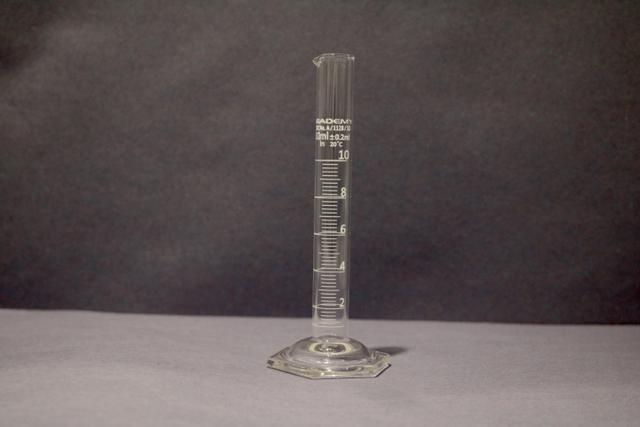



The effect of pH on the rate of an enzyme reaction: practical
I can carry out an investigation into the effect of changing pH on the rate of an enzyme reaction.

The effect of pH on the rate of an enzyme reaction: practical
I can carry out an investigation into the effect of changing pH on the rate of an enzyme reaction.

These resources were made for remote use during the pandemic, not classroom teaching.
Switch to our new teaching resources now - designed by teachers and leading subject experts, and tested in classrooms.

Lesson details
Key learning points
- Safe use of materials and apparatus.
- Accurate measurement of reactants and reagents.
- Control of temperature using a water bath or electric heater.
- Continuous sampling of reaction mixture and testing with iodine for the presence of starch.
- Sampling at accurately timed intervals.
Keywords
Rate of reaction - How fast a chemical reaction occurs.
PH - A measure of how acidic or alkaline a solution is.
Amylase - An enzyme that breaks down starch into maltose (a type of sugar).
Starch - A carbohydrate, which is a polysaccharide (a polymer of sugar).
Continuous sampling - A method that involves taking regular and frequent samples.
Common misconception
Mistakes are often made when preparing the practical, for instance which samples go into which test tubes, or carrying out the practical, such as exactly when to take the continuous sample.
The correct approach to preparing and completing this method accurately and carefully is discussed throughout, with quick checks at key points and the opportunity to try it for themselves.


Equipment

Content guidance
- Risk assessment required - equipment

Supervision
Adult supervision required

Licence
Lesson video
Loading...
Prior knowledge starter quiz
6 Questions
Q1.What is starch made of?
Q2.What is the enzyme that catalyses the breakdown of starch into maltose?
Q3.Match the variable to its description for the investigation 'Investigating the effect of changing pH on the rate of enzyme reaction'.

independent variable
control variable
dependent variable
Q4.Is this a positive or negative test for starch?
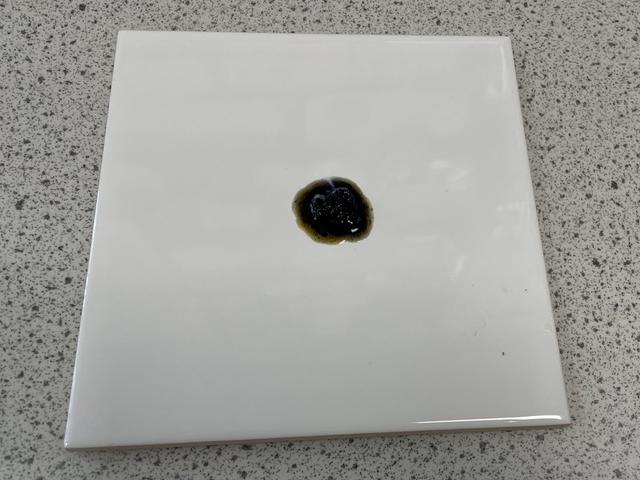
Q5.Who best describes what rate of reaction is?




Q6.Order these steps to show how you would carry out an investigation into the effect of changing temperature on the rate of an enzyme-controlled reaction.
Assessment exit quiz
6 Questions
Q1.Which piece of equipment would you use in this practical to heat the test tubes of starch and amylase to a specific temperature?
Q2.What is collecting data at accurately timed intervals know as?
Q3.What is formed when amylase digests starch?
Q4.What is this piece of equipment called?
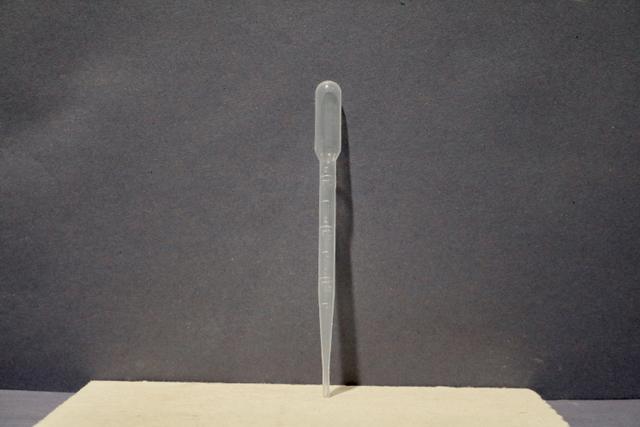
Q5.Iodine solution is an irritant. What piece of safety equipment should be warn when using it?
Q6.What is this piece of equipment used for?