


Fabric patterns and seam allowance


Lesson details
Learning outcome
I can plan and create fabric patterns.
Key learning points
- Fabric patterns are paper shapes that are used to cut fabric for textile products.
- A seam is where two pieces of fabric are sewn together.
- Seam allowance is the extra fabric between the stitching and the edge, allowing for sewing.
Keywords
Fabric pattern - a paper template that shows the shapes needed to cut from fabric
Seam - a line of stitching that joins pieces of fabric together
Seam allowance - extra fabric between the stitching and the edge, allowing for room to sew
Common misconception
Fabric patterns are the same size as the product dimensions.
A seam allowance must be added to allow for joining; retaining the product dimesions.
Teacher tip
A pre-made pattern is available in the additional materials document.

Equipment
Please see additional materials document for a list of resources needed in this lesson.

Licence

Lesson video
Loading...
Prior knowledge starter quiz
6 Questions
Q1.Which of these materials is commonly used to make clothes?

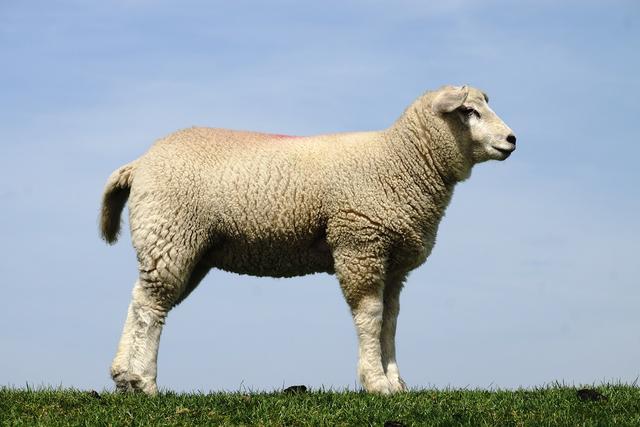
Q2.Which natural material comes from this animal?
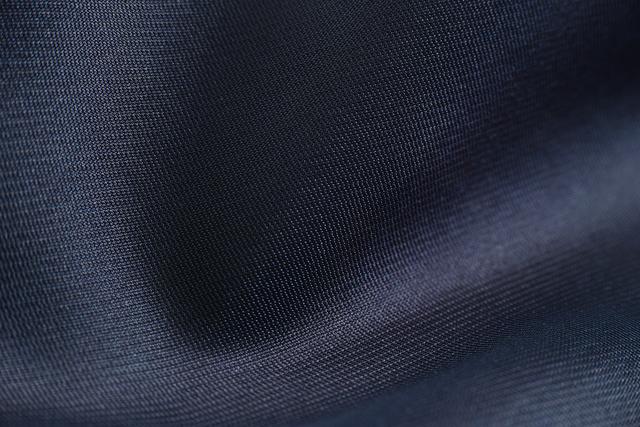
Q3.Which of these fabrics is made from threads that come from a type of worm?
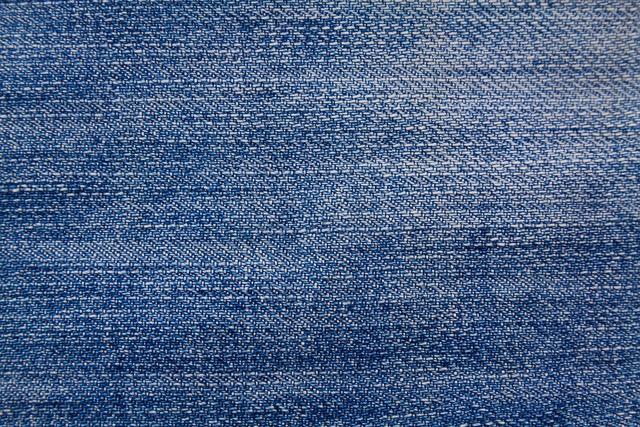
Q4.Which of these fabrics is stretchy?

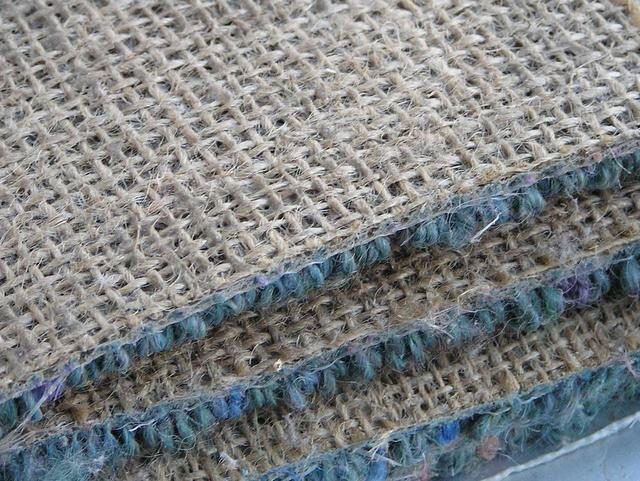
Q5.Which process is used to turn threads into textiles?
Q6.What does the word 'synthetic' mean?
Assessment exit quiz
5 Questions
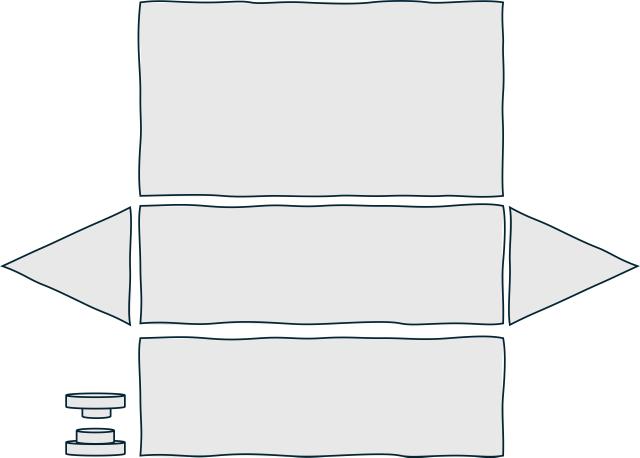
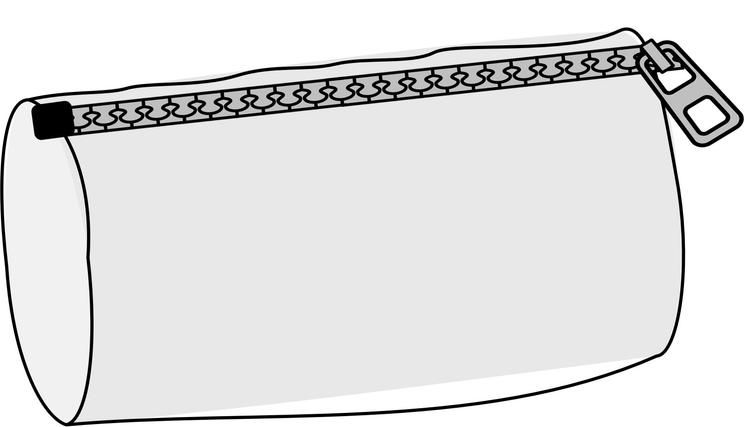
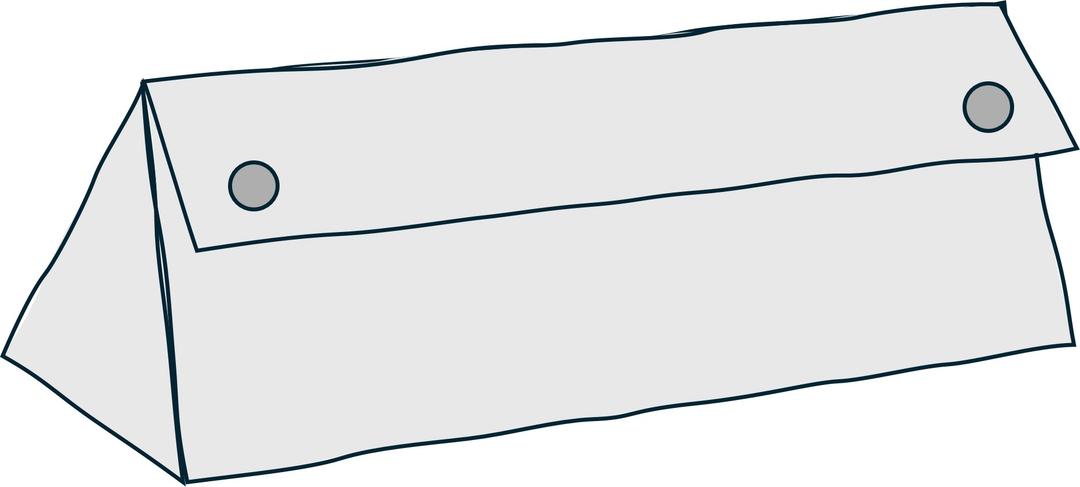
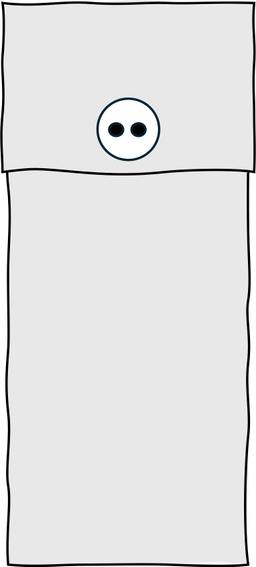
Q1.Which pencil case is this template for?
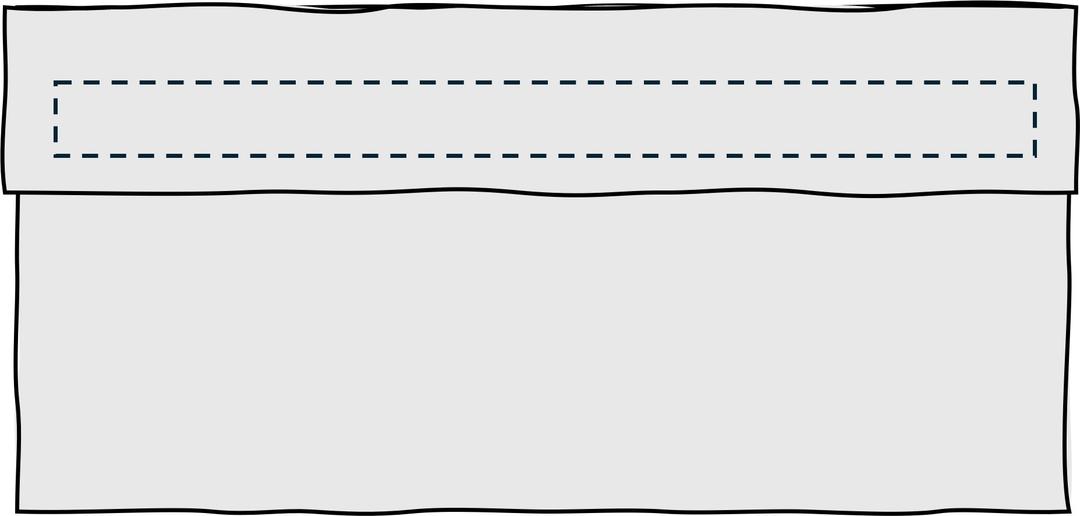
Q2.What is a seam allowance?
Q3.How big is a typical seam allowance?
Q4.Which pencil cases would fit a 180 mm pencil inside?
Q5.Why do we need seams in clothing?
To help you plan your 3 design and technology lesson on: Fabric patterns and seam allowance, download all teaching resources for free and adapt to suit your pupils' needs...
To help you plan your 3 design and technology lesson on: Fabric patterns and seam allowance, download all teaching resources for free and adapt to suit your pupils' needs.
The starter quiz will activate and check your pupils' prior knowledge, with versions available both with and without answers in PDF format.
We use learning cycles to break down learning into key concepts or ideas linked to the learning outcome. Each learning cycle features explanations with checks for understanding and practice tasks with feedback. All of this is found in our slide decks, ready for you to download and edit. The practice tasks are also available as printable worksheets and some lessons have additional materials with extra material you might need for teaching the lesson.
The assessment exit quiz will test your pupils' understanding of the key learning points.
Our video is a tool for planning, showing how other teachers might teach the lesson, offering helpful tips, modelled explanations and inspiration for your own delivery in the classroom. Plus, you can set it as homework or revision for pupils and keep their learning on track by sharing an online pupil version of this lesson.
Explore more key stage 2 design and technology lessons from the 2D shapes to 3D products: stationery storage unit, dive into the full primary design and technology curriculum, or learn more about lesson planning.