


The human skeleton: protection


Lesson details
Learning outcome
I can describe how our bones provide protection, with some examples.
Key learning points
- The bones of the human skeleton are solid, strong and are various shapes with different functions.
- The skull protects the brain.
- The rib cage protects organs such as the heart and lungs.
- The spine protects the spinal cord.
- Despite being strong and solid, anyone can break a bone.
Keywords
Protection - The hard bones of the skeleton provide protection for the organs and keep them safe from injury.
Organs - Organs are parts of the body that do a particular job, such as the brain, heart and lungs.
Skull - The skull is the name for the bones of the head.
Rib cage - The rib cage are bones that protect your organs and attach to the spine.
Spine - The backbone of vertebrate animals is called a spine.
Common misconception
Children may think that bones are unbreakable.
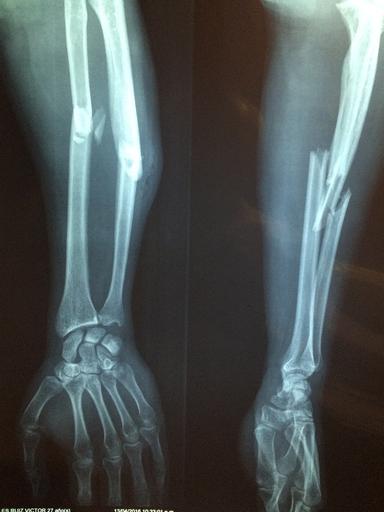
Show children X-rays of broken bones and give them examples of where we wear extra protection to protect our bones.
Teacher tip
When discussing how to protect bones, ask if anyone has broken a bone in your class or share when you perhaps have. Ask them what may have helped to prevent it - what type of protection could they have worn? If access to own X-rays, share these.

Equipment
See additional guidance.

Content guidance
Depiction or discussion of sensitive content
Risk assessment required - equipment
Exploration of objects

Supervision
Adult supervision required

Licence

Lesson video
Loading...
Prior knowledge starter quiz
6 Questions
Q1.What structure inside your body supports your body from falling over?
Q2.What is a human skeleton made from and why?
Q3.What is this type of image called?
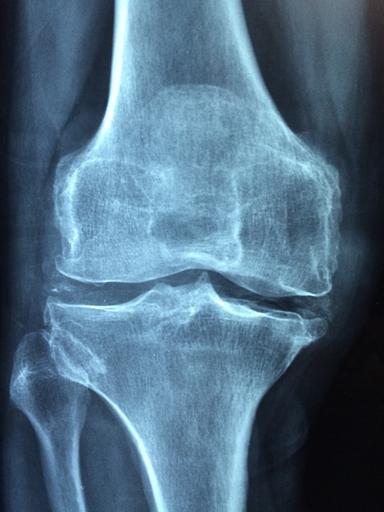
Q4.Which statement about bones is true?
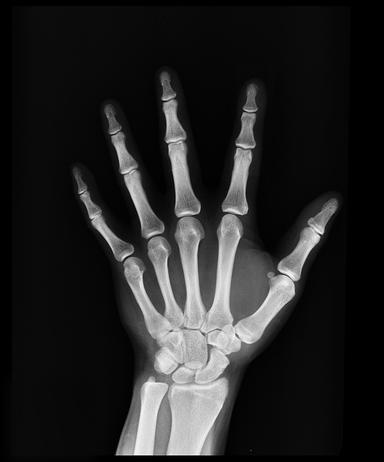
Q5.This person has had an accident. Look at the X-ray, what can you see?
Q6.Match these materials to their properties.

Assessment exit quiz
6 Questions
Q1.What is a human skeleton made from?
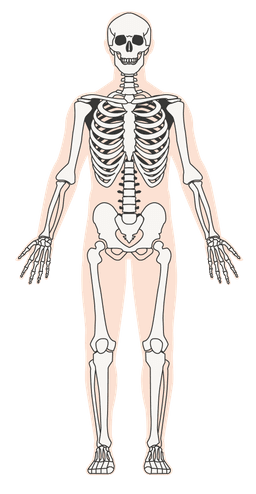
Q2.Our bones are strong, solid and hard so they can organs in the human body.
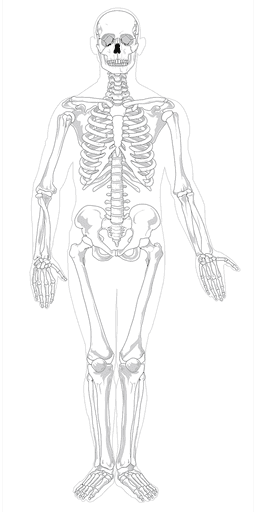
Q3.Which statement about bones is true?
Q4.Which two organs does the rib cage protect?
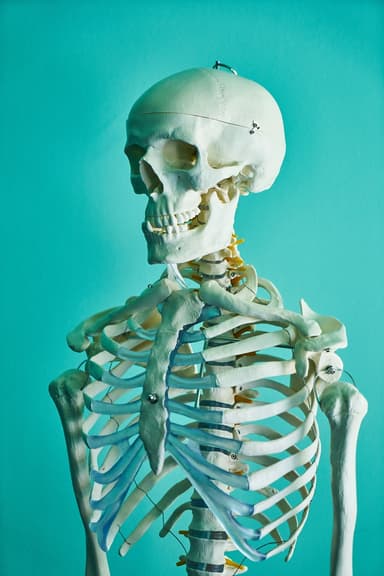
Q5.Match the bone with the organ it protects.
Q6.Tick all of the objects that you would wear to protect your bones from damage.
To help you plan your 3 science lesson on: The human skeleton: protection, download all teaching resources for free and adapt to suit your pupils' needs...
To help you plan your 3 science lesson on: The human skeleton: protection, download all teaching resources for free and adapt to suit your pupils' needs.
The starter quiz will activate and check your pupils' prior knowledge, with versions available both with and without answers in PDF format.
We use learning cycles to break down learning into key concepts or ideas linked to the learning outcome. Each learning cycle features explanations with checks for understanding and practice tasks with feedback. All of this is found in our slide decks, ready for you to download and edit. The practice tasks are also available as printable worksheets and some lessons have additional materials with extra material you might need for teaching the lesson.
The assessment exit quiz will test your pupils' understanding of the key learning points.
Our video is a tool for planning, showing how other teachers might teach the lesson, offering helpful tips, modelled explanations and inspiration for your own delivery in the classroom. Plus, you can set it as homework or revision for pupils and keep their learning on track by sharing an online pupil version of this lesson.
Explore more key stage 2 science lessons from the Introduction to the human skeleton and muscles unit, dive into the full primary science curriculum, or learn more about lesson planning.