


Insects (non-statutory)


Lesson details
Learning outcome
I can identify and name insects and describe their common features.
Key learning points
- An insect is a small animal that has six jointed legs, and typically one or two pairs of wings
- Insects have three parts to their segmented bodies (head, thorax, and abdomen) and a pair of antennae
- Insects are invertebrates (have no backbone) and have an external shell (exoskeleton)
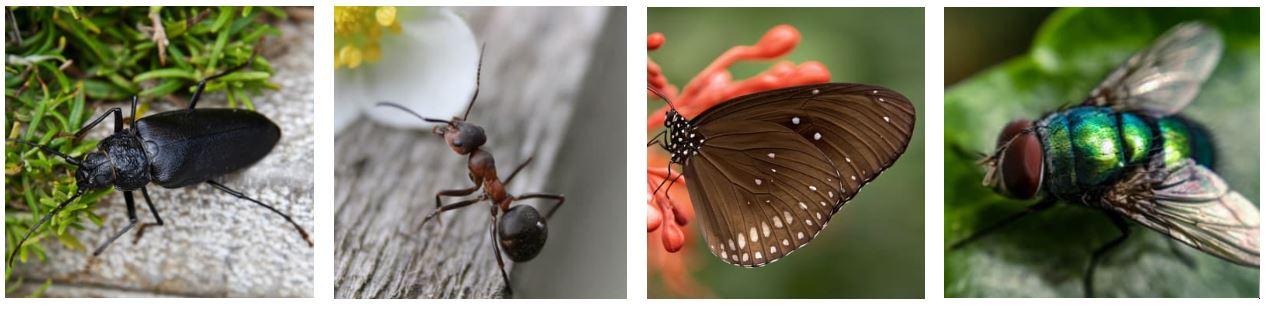
- Common insects are ants, flies, butterflies, and beetles
Keywords
Insect - An insect is an invertebrate animal that lays eggs and has antennae, six legs and a body divided into three segments.
Antennae - Antennae are a pair of long, sensory organs on the heads of insects.
Segmented - Something that is segmented is in segments or sections.
Invertebrate - An invertebrate is an animal that does not have a spine or backbone.
Exoskeleton - An exoskeleton is the hard outer layer that covers, supports, and protects the body of an invertebrate.
Common misconception
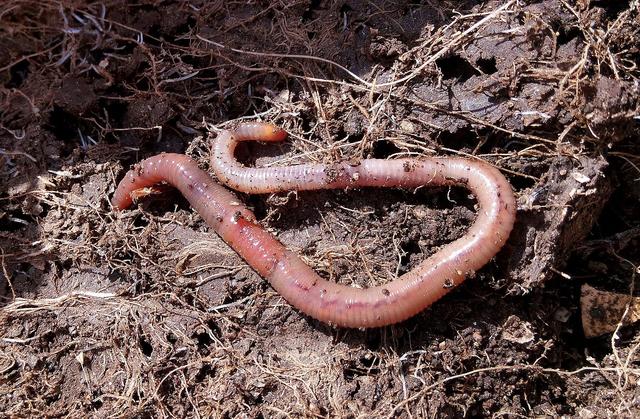
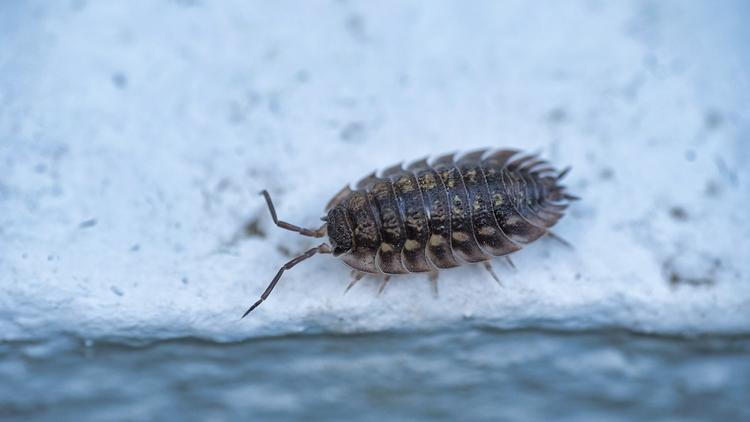
Pupils may think that all small creatures, or ‘minibeasts’, are insects.
Explain that an animal is only an insect if it has the characteristics of insects. Use lots of examples and non-examples to make this clear.
Teacher tip
The insect hunt towards the end of the lesson will be a great opportunity to see if any children are hanging onto the misconception about all 'bugs' being insects. Try finding some non-examples yourself and challenging children to spot your mistake.

Equipment
Salt dough or plasticine, hand lenses, magnifiers, pooters

Content guidance
Risk assessment required - equipment
Exploration of objects
Risk assessment required - physical activity

Supervision
Adult supervision required

Licence

Lesson video
Loading...
Prior knowledge starter quiz
6 Questions
Q1.Which of these is not an animal?

Q2.Starting with the chicken, put these animals in order according to the number of legs they have.
Q3.What is a segment?
Q4.Which of these animals does not have a skeleton inside its body?
Q5.Animals that don’t have backbones are called .
Q6.Which of these statements is true?
Assessment exit quiz
6 Questions
Q1.How many legs do insects have?
Q2.Insects do not have backbones. This means they are classified as .
Q3.Insect bodies have three parts; the head, thorax and the...
Q4.What is the role of an exoskeleton?
Q5.What are the names of these common insects?
Q6.Which of these animals are insects?
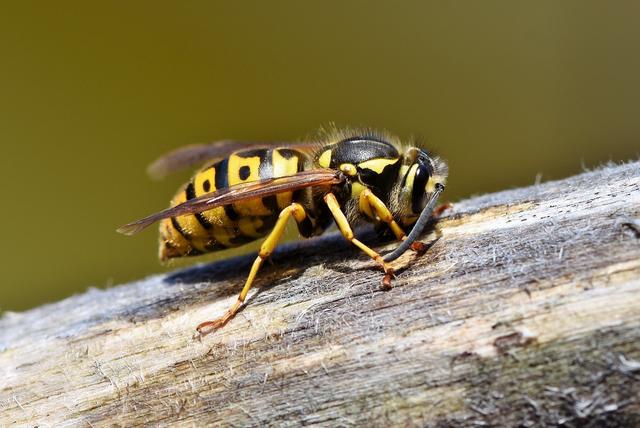
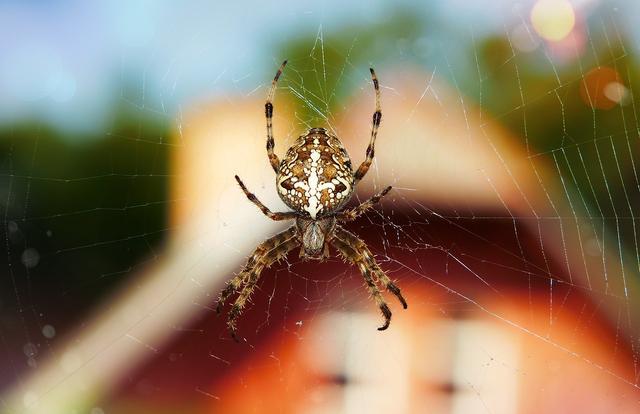
To help you plan your 5 science lesson on: Insects (non-statutory), download all teaching resources for free and adapt to suit your pupils' needs...
To help you plan your 5 science lesson on: Insects (non-statutory), download all teaching resources for free and adapt to suit your pupils' needs.
The starter quiz will activate and check your pupils' prior knowledge, with versions available both with and without answers in PDF format.
We use learning cycles to break down learning into key concepts or ideas linked to the learning outcome. Each learning cycle features explanations with checks for understanding and practice tasks with feedback. All of this is found in our slide decks, ready for you to download and edit. The practice tasks are also available as printable worksheets and some lessons have additional materials with extra material you might need for teaching the lesson.
The assessment exit quiz will test your pupils' understanding of the key learning points.
Our video is a tool for planning, showing how other teachers might teach the lesson, offering helpful tips, modelled explanations and inspiration for your own delivery in the classroom. Plus, you can set it as homework or revision for pupils and keep their learning on track by sharing an online pupil version of this lesson.
Explore more key stage 2 science lessons from the Reproduction and life cycles: animals unit, dive into the full primary science curriculum, or learn more about lesson planning.