


New
New
Lesson 7 of 8
Cross-sectional drawings
I can produce cross-sectional drawings to show internal details.

Lesson 7 of 8
New
New
Cross-sectional drawings
I can produce cross-sectional drawings to show internal details.
Lesson details
Key learning points
- Cross-sectional drawings help see inside objects by cutting them open on paper.
- Cross-sectional drawings are used when important details are hidden inside and can't be seen from the outside.
- A cutting plane is a dashed line with arrows that shows where the object is cut to reveal the inside.
- Hatching indicates a cut section, showing internal details and clarifying it's not the full design.
Keywords
Cross-section - an internal view of a 3D object when cut through a plane
Cutting plane - indicates where a sectional view is taken from, represented by a dashed line with arrows
Internal details - the features inside an object only visible in a cross-sectional drawing.
Common misconception
A cross-sectional drawing is just another drawing view, such as front or side.
A cross-sectional view is an internal view showing what the inside looks like when sliced through. It is is meant to reveal hidden details inside an object.
Having objects that can be cut/opened to show internal details will help pupils visualise the concept.

Teacher tip

Equipment
Pencil, rubber, ruler.

Licence
This content is © Oak National Academy Limited (2025), licensed on Open Government Licence version 3.0 except where otherwise stated. See Oak's terms & conditions (Collection 2).
Lesson video
Loading...
Prior knowledge starter quiz
Download quiz pdf
6 Questions
Q1.What is an orthographic projection?
What is an orthographic projection?

used to plan out and position elements of a drawing
a 3D representation of an object where sides are drawn at 30 degrees
Q2.Which of these views would you NOT usually see in an orthographic projection?
Which of these views would you NOT usually see in an orthographic projection?
Front view
Side view
Top view
Q3.How are hidden lines or details represented in an orthographic projection?
How are hidden lines or details represented in an orthographic projection?
bold lines
coloured lines
Q4.When creating an orthographic projection, which view do you draw first?
When creating an orthographic projection, which view do you draw first?
side view
plan view
Q5.What view is this?
What view is this?
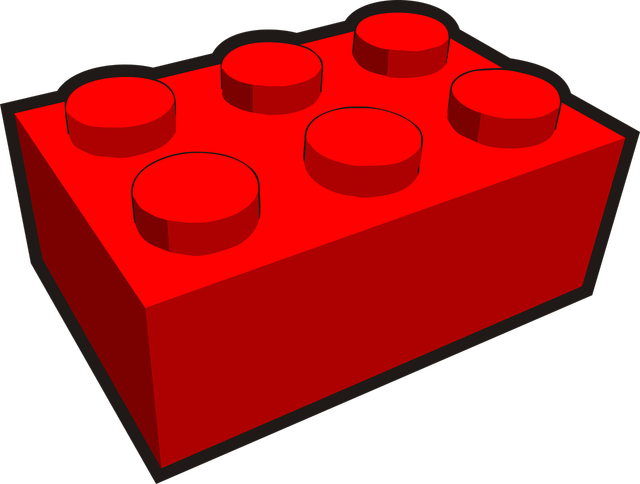
plan
front
Q6.Which term describes the size and shape of an object?
Which term describes the size and shape of an object?
Precision
Proportion
Assessment exit quiz
Download quiz pdf
4 Questions
Q1.What type of drawing shows internal features of an object?
What type of drawing shows internal features of an object?
Exploded diagram
Orthographic drawing
Q2.What can cross-sectional drawings help us to understand?
What can cross-sectional drawings help us to understand?
Colour matching
Simple shapes
Q3.In which fields are cross-sectional drawings commonly used?
In which fields are cross-sectional drawings commonly used?
fashion design
literature analysis
Q4.What do hatched marks on a cross-sectional drawing indicate?
What do hatched marks on a cross-sectional drawing indicate?
the hidden internal details of a design
the external surface details of a design