Static electricity
I can describe how objects with a positive or negative charge attract or repel other charged objects.

Static electricity
I can describe how objects with a positive or negative charge attract or repel other charged objects.
Lesson details
Key learning points
- Some objects can be charged by rubbing with certain materials.
- Objects with a static electric charge can exert a force on other objects (that contain electric charge).
- The electrostatic force acts at a distance.
- Objects with opposite electric charges attract each other.
- Objects with the same electric charge as each other repel each other.
Keywords
Static electricity - Static electricity is caused by the build-up of charge on insulators.
Positive charge - A positive charge is a type of electrical charge that is attracted to a negative charge.
Negative charge - A negative charge is a type of electrical charge that is attracted to a positive charge.
Electrostatic force - The electrostatic force is a force that acts between charges.
Common misconception
Pupils often think that ‘negative’ refers to a neutral material, that there is only one type of charge, and that friction creates charge.
Pupils need a secure understanding of the particle model of matter before being introduced to atomic structure. Using dynamic models to help pupils visualise what happens to negative charge can support their progression in understanding.


Equipment

Content guidance
- Risk assessment required - equipment

Supervision
Adult supervision required

Licence
Lesson video
Loading...
Prior knowledge starter quiz
6 Questions
Q1.1. Which of these materials is a good electrical conductor?

Q2.What is an insulator?
Q3.Which of the following are carry a charge?
Q4.Which of the following statements about the structure of an atom is correct?
Q5.What is the charge on an electron?
Q6.What happens when you rub your hands together quickly?
Assessment exit quiz
6 Questions
Q1.Which of the following things need to be done to electrostatically charge a plastic ruler?
Q2.Which two of the following are the types of electrostatic charge?
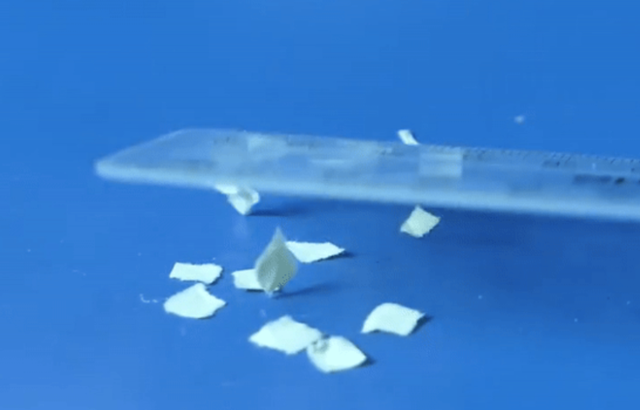
Q3.A charged ruler is able to pick up the uncharged pieces of paper as shown.
Which of the following statements is correct?
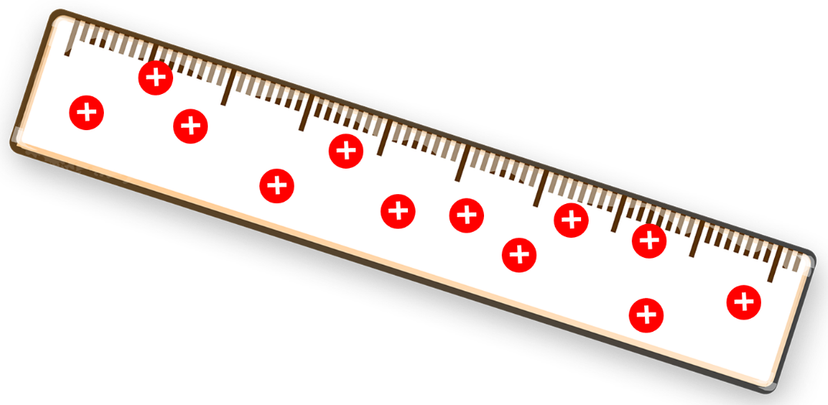
Q4.Which of the following statements can correctly describe the ruler shown?
Select all that apply.
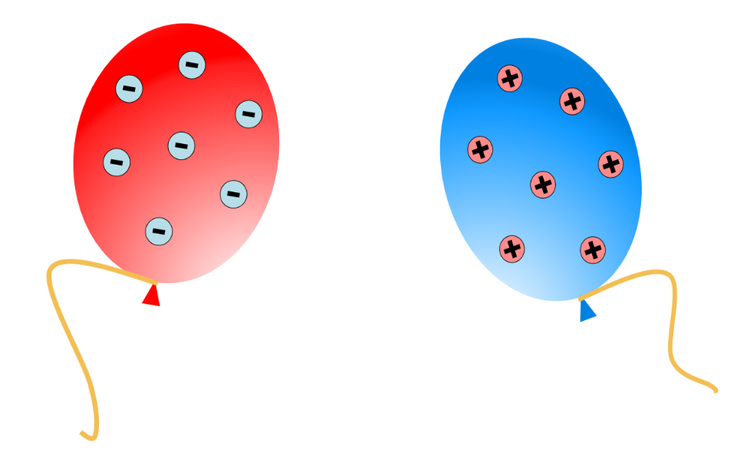
Q5.Which of the following will the two balloons shown experience due to their electrical charges?
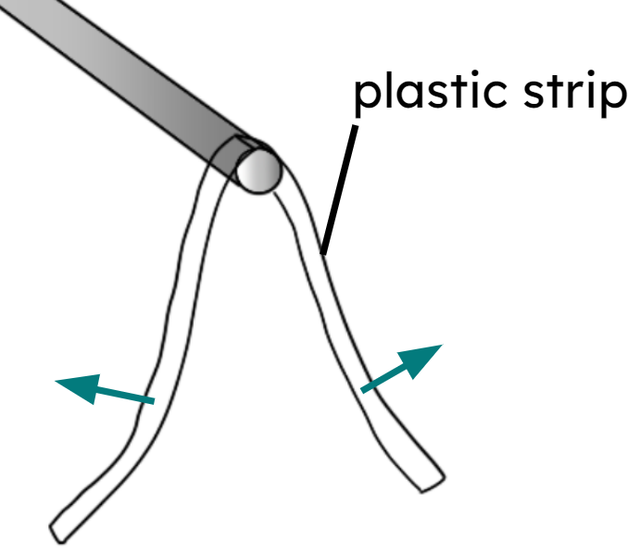
Q6.The ends of the plastic strip shown are pushing away from each other.
Which of the following statements can explain why?
Select all that apply.