


Weathering and erosion of rocks
I can describe how natural forces can change rocks over time.


- Year 3
Weathering and erosion of rocks
I can describe how natural forces can change rocks over time.
Lesson details
Key learning points
- Weathering is the breaking down of rocks on Earth’s surface, over time, by natural forces.
- Erosion is when land is worn away by natural forces, such as water or wind, and transported to another location.
- Weathering and erosion of rock can cause habitat loss and natural disasters.
- Different types of scientists, including geologists, work to eliminate the negative effects of weathering and erosion.
Keywords
Weathering - Weathering is a natural process that slowly breaks apart or changes rock. Heat, water, wind, living things, and other natural forces cause weathering.
Natural forces - Wind, rain, heat and cold are natural forces.
Erosion - Erosion is when bits of rock and earth are carried away from their original location, by natural forces like wind and rain.
Transportation - When objects are moved from one place to another, it is called transportation.
Geologist - A geologist is a scientist who studies what Earth is made of.
Common misconception
Children use the word weathering and erosion interchangeably to mean the same thing.
Explain the difference between these two processes, that are closely linked, through clear definitions, images and examples of where they are happening.
To help you plan your year 3 science lesson on: Weathering and erosion of rocks, download all teaching resources for free and adapt to suit your pupils' needs...
To help you plan your year 3 science lesson on: Weathering and erosion of rocks, download all teaching resources for free and adapt to suit your pupils' needs.
The starter quiz will activate and check your pupils' prior knowledge, with versions available both with and without answers in PDF format.
We use learning cycles to break down learning into key concepts or ideas linked to the learning outcome. Each learning cycle features explanations with checks for understanding and practice tasks with feedback. All of this is found in our slide decks, ready for you to download and edit. The practice tasks are also available as printable worksheets and some lessons have additional materials with extra material you might need for teaching the lesson.
The assessment exit quiz will test your pupils' understanding of the key learning points.
Our video is a tool for planning, showing how other teachers might teach the lesson, offering helpful tips, modelled explanations and inspiration for your own delivery in the classroom. Plus, you can set it as homework or revision for pupils and keep their learning on track by sharing an online pupil version of this lesson.
Explore more key stage 2 science lessons from the Rocks and soils unit, dive into the full primary science curriculum, or learn more about lesson planning.


Equipment
See additional material

Content guidance
- Depiction or discussion of violence or suffering
- Risk assessment required - equipment

Supervision
Adult supervision required

Licence
Lesson video
Loading...
Prior knowledge starter quiz
6 Questions
Q1.Which of these are types of weather?
Q2.Which of these materials would be most suitable to make a bench?
Q3.Read these descriptions. Which best describes the rock called chalk?
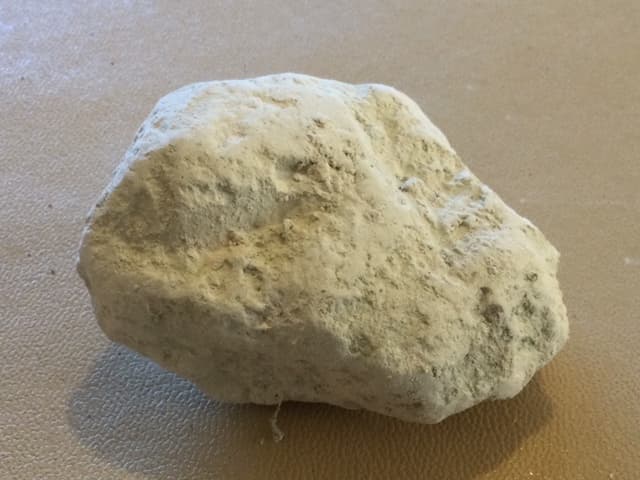
Q4.Look at these results. Which of the questions below would you be able to answer if these were your results?
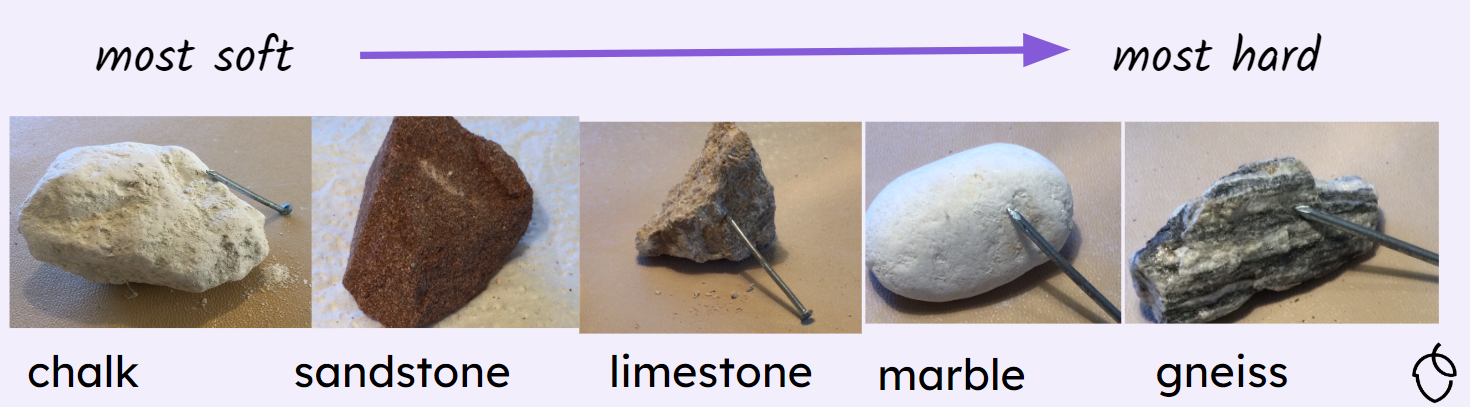
Q5.When put in water, chalk and sandstone produced bubbles but marble and slate did not. Match the rocks to their permeability.

permeable
impermeable
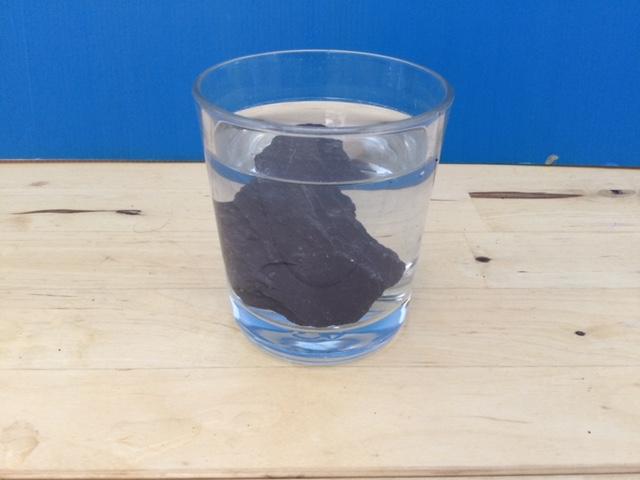
Q6.Look at this slate in a glass of water. It is a test for permeability. What does it show you about the permeability of slate?
Assessment exit quiz
6 Questions
Q1.The breaking down of rocks on Earth’s surface, over time, is called .
Q2. is when land is worn away by natural forces and transported to another location.
Q3.Which of these are natural forces that cause weathering?
Q4.Match the example to the name of the process.
erosion
weathering