


Equipment and machinery: textiles
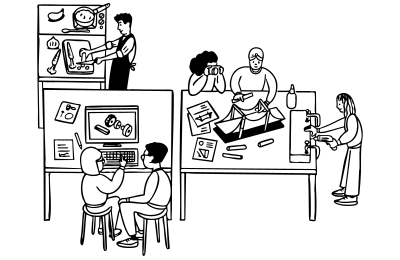


Lesson details
Learning outcome
I can use hand tools and workshop machinery to safely manufacture designs.
Key learning points
- Hand tools such as fabric scissors and stitching by hand can be used to accurately manufacture
- Machinery, such as a sewing machine, can be used to fabricate materials
Keywords
Wasting - removing material
Accuracy - very precise and exact
Fabricate - joining materials
Common misconception
Using machinery results in greater accuracy.
Machinery or hand tools can result in accurate manufacturing. Accuracy is achieved with careful planning and execution with skill.
Teacher tip
Not all students will be able to use the equipment and machinery simultaneously, so it is best to stagger this activity or split the class to complete alternative elements of the manufacturing process while waiting.

Equipment
The classroom is equipped with hand tools and machinery, including sewing machines.

Content guidance
Risk assessment required - equipment

Supervision
Adult supervision required

Licence

Lesson video
Loading...
Prior knowledge starter quiz
6 Questions
Q1.What is SCAMPER?

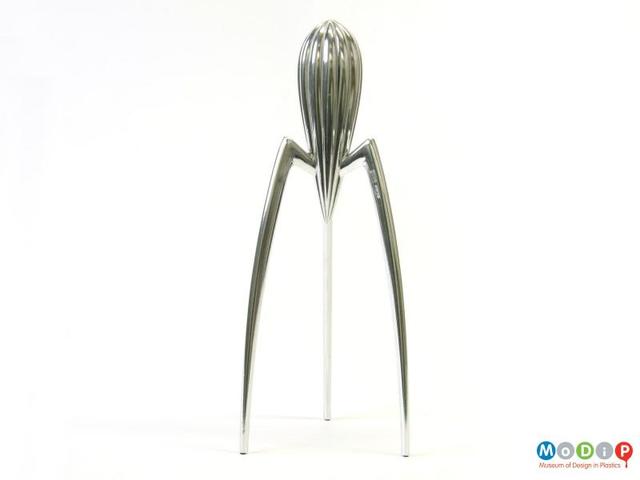
Q2.This is the Juicy Salif by Philippe Starck. What is it an example of?
Q3.What is AI?
Q4.If something is drawn 10 times smaller than it is, what scale would it be?
Q5.Which stock form is cotton calico available in?
Q6.What does an orthographic projection represent?
Assessment exit quiz
4 Questions
Q1.What type of manufacturing process is sewing using a machine?
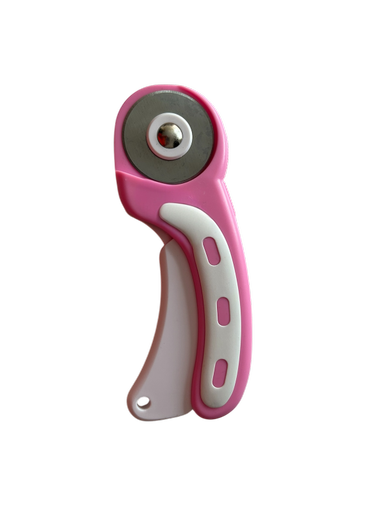
Q2.What is this tool used for?
Q3.If you lose the , you lose the design.
Q4.How can you mitigate the potential hazards when using a pillar drill?
To help you plan your 10 design and technology lesson on: Equipment and machinery: textiles, download all teaching resources for free and adapt to suit your pupils' needs...
To help you plan your 10 design and technology lesson on: Equipment and machinery: textiles, download all teaching resources for free and adapt to suit your pupils' needs.
The starter quiz will activate and check your pupils' prior knowledge, with versions available both with and without answers in PDF format.
We use learning cycles to break down learning into key concepts or ideas linked to the learning outcome. Each learning cycle features explanations with checks for understanding and practice tasks with feedback. All of this is found in our slide decks, ready for you to download and edit. The practice tasks are also available as printable worksheets and some lessons have additional materials with extra material you might need for teaching the lesson.
The assessment exit quiz will test your pupils' understanding of the key learning points.
Our video is a tool for planning, showing how other teachers might teach the lesson, offering helpful tips, modelled explanations and inspiration for your own delivery in the classroom. Plus, you can set it as homework or revision for pupils and keep their learning on track by sharing an online pupil version of this lesson.
Explore more key stage 4 design and technology lessons from the Textiles unit, dive into the full secondary design and technology curriculum, or learn more about lesson planning.