


Problem solving with percentages and proportionality


Lesson details
Learning outcome
I can use my knowledge of percentages and proportionality to solve problems.
Key learning points
- Representations can support problem solving.
- Direct proportion can be used to solve real life problems.
- Inverse proportion can be used to solve real life problems.
Keywords
Proportion - If two things are proportional then the ratio of part to whole is maintained and the multiplicative relationship between parts is also maintained.
Common misconception
Forgetting to find the percentage change.
Emphasise the word change. Encourage pupils to write down the 2 percentages with their relevant values. Go back to the question and calculate the actual change they should notice that this is neither of the 2 values but the difference between them.
Teacher tip
When completing task A in the first learning cycle the shapes could be printed out and pupils could make various correct original shapes.

Licence

Lesson video
Loading...
Prior knowledge starter quiz
6 Questions
Q1.Two variables are inversely proportional if there is a multiplicative relationship between one variable and the reciprocal of the other.

Q2.Which of the following is a graph representing inverse proportion?
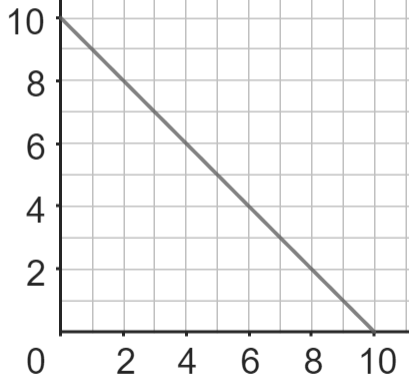
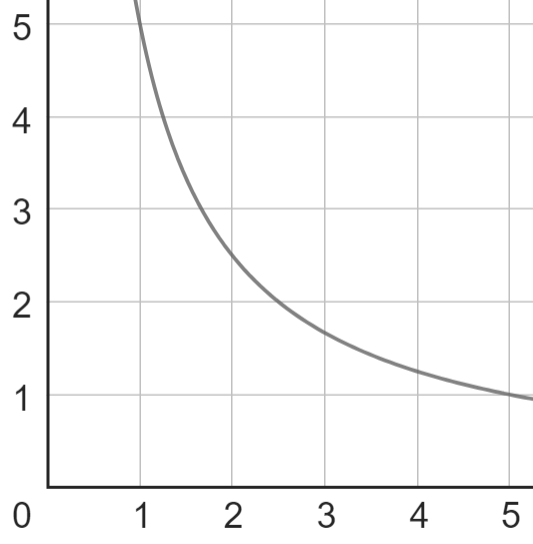
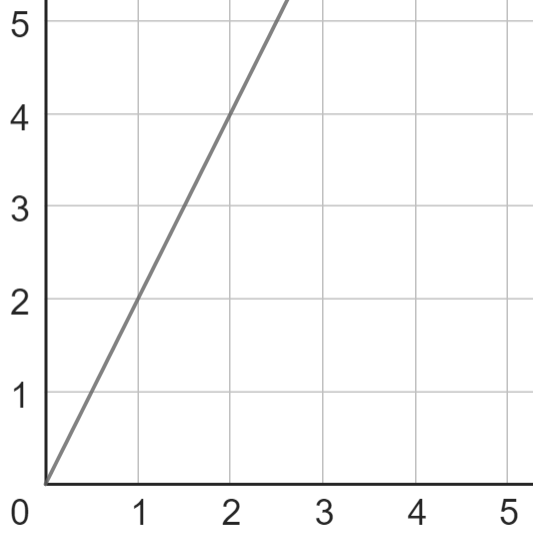
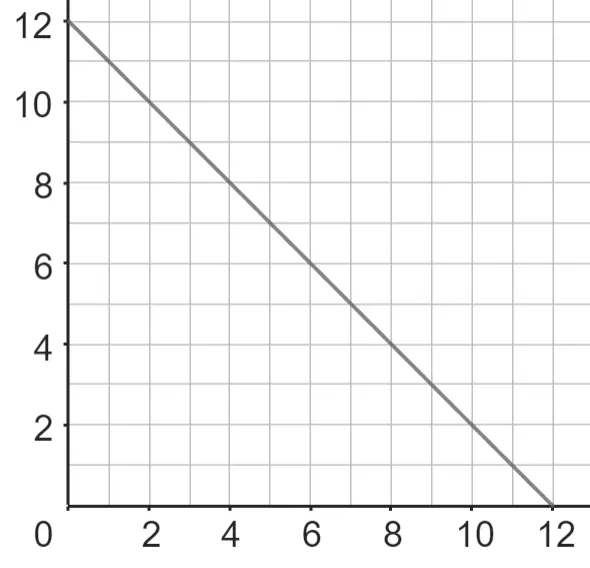
Q3.Which of the following situations illustrate an inversely proportional relationship?
Q4.A and B are inversely proportional. The missing value is .
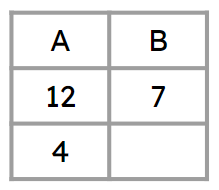
Q5.A and B are inversely proportional. The missing value is .
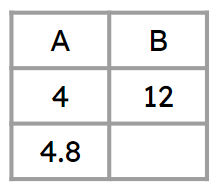
Q6.It takes 3 people 4 days to build a wall. It should take 2 people days to build the same wall.
Assessment exit quiz
6 Questions
Q1.Variables which are in proportion share a __________ relationship.
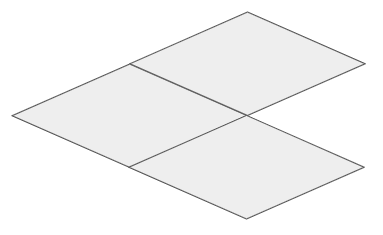
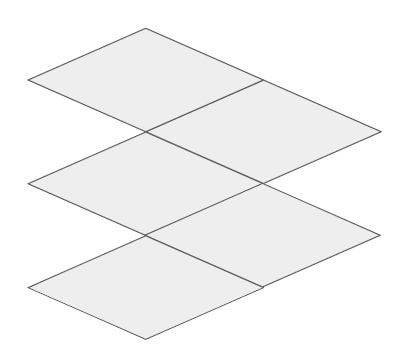
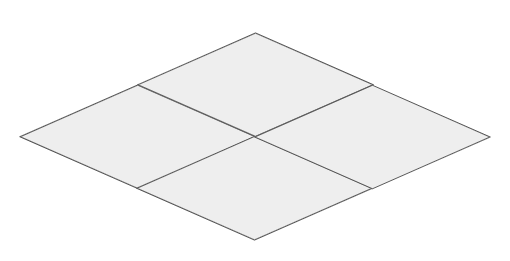
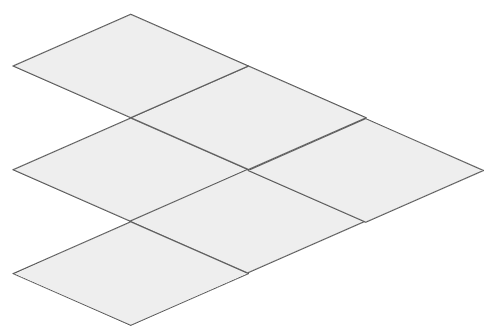
Q2.Here is part of a larger shape. Which of the following could be the whole shape?
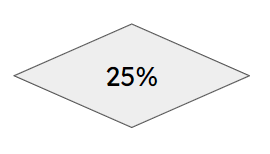
Q3.If 100% = 45, 130% = 58.5 then the percentage change is %.
Q4.Calculate the percentage profit on a watch bought for £40 and sold for £50.
Q5.Calculate the percentage loss on a mobile phone bought for £300 and sold for £240.
Q6.A, B and C are 3 different numbers. C is two-fifths of B. C is 3 times A. The total of A & C is 32. The value of B is .
To help you plan your 8 maths lesson on: Problem solving with percentages and proportionality, download all teaching resources for free and adapt to suit your pupils' needs...
To help you plan your 8 maths lesson on: Problem solving with percentages and proportionality, download all teaching resources for free and adapt to suit your pupils' needs.
The starter quiz will activate and check your pupils' prior knowledge, with versions available both with and without answers in PDF format.
We use learning cycles to break down learning into key concepts or ideas linked to the learning outcome. Each learning cycle features explanations with checks for understanding and practice tasks with feedback. All of this is found in our slide decks, ready for you to download and edit. The practice tasks are also available as printable worksheets and some lessons have additional materials with extra material you might need for teaching the lesson.
The assessment exit quiz will test your pupils' understanding of the key learning points.
Our video is a tool for planning, showing how other teachers might teach the lesson, offering helpful tips, modelled explanations and inspiration for your own delivery in the classroom. Plus, you can set it as homework or revision for pupils and keep their learning on track by sharing an online pupil version of this lesson.
Explore more key stage 3 maths lessons from the Understanding multiplicative relationships: percentages and proportionality unit, dive into the full secondary maths curriculum, or learn more about lesson planning.