


Weather in spring


Lesson details
Learning outcome
I can describe weather in spring.
Key learning points
- The weather is often different in each season.
- Common weather can be described as cold, cloudy, windy, rainy or sunny.
- The weather in spring can be mixed, with periods of wind, rain and sunshine.
- Rain can be collected and measured using a rain gauge.
Keywords
Season - Seasons are periods of similar weather. In the UK there are four seasons (spring, summer, autumn and winter).
Spring - Spring is the season that comes after winter and before summer.
Weather - Weather is what the conditions are like in a particular place at a particular time. For example, rain, wind or sun.
Rain gauge - A rain gauge is a device for measuring how much rain has fallen.
Measure - To measure is to find out the size of something or how much of something there is.
Common misconception
Pupils may associate different seasons with activities, rather than physical characteristics like the weather.
Explanation of different weathers that pupils may experience in different seasons.
Teacher tip
This lesson should be taught in spring so that the pupils have the opportunity to collect data about what the weather is like at this time of year.

Equipment
Scissors, lolly sticks, pens, pencils, plastic bottles.

Content guidance
Risk assessment required - equipment

Supervision
Adult supervision required

Licence

Lesson video
Loading...
Prior knowledge starter quiz
6 Questions
Q1.True or false? A year can be divided into three seasons.

Q2.Which of these is a season?
Q3.When is the season of spring?
Q4.Which of these is a sign of spring?
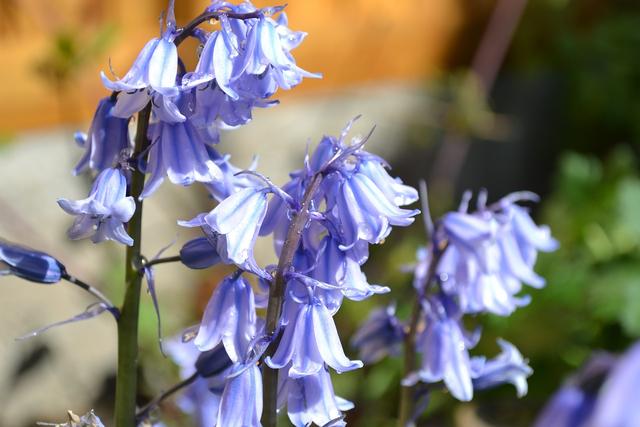
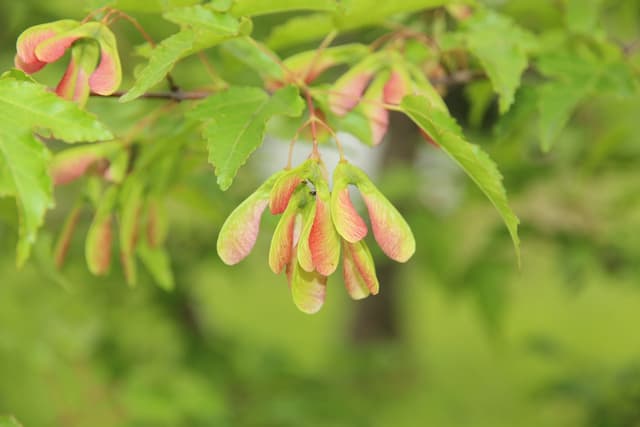
Q5.What do we do when we observe something?
Q6.What can we use to observe changes in spring?
Assessment exit quiz
6 Questions
Q1.Which of these statements is true?
Q2.When is spring?
Q3.True or false? Spring is usually the hottest season of the year.
Q4.Which of these is a kind of weather?
Q5.Which of these shows weather in spring?
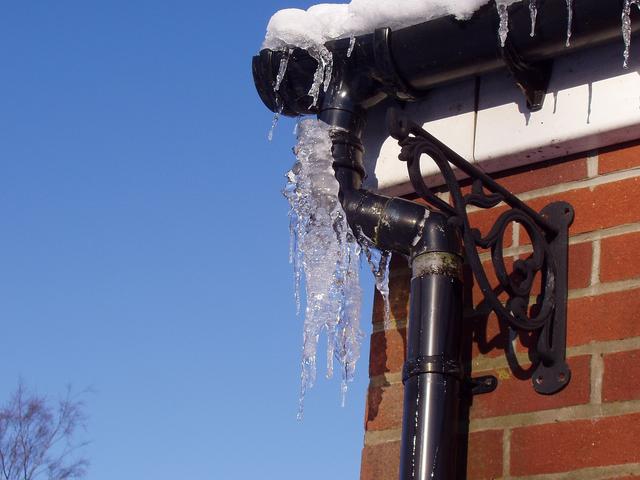

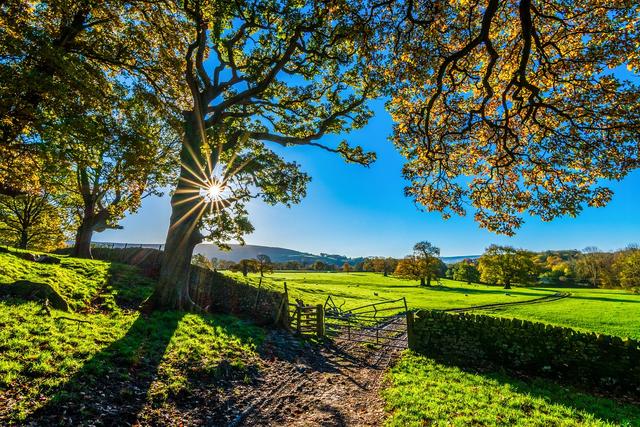
Q6.What do we use a rain gauge for?
To help you plan your 1 science lesson on: Weather in spring, download all teaching resources for free and adapt to suit your pupils' needs...
To help you plan your 1 science lesson on: Weather in spring, download all teaching resources for free and adapt to suit your pupils' needs.
The starter quiz will activate and check your pupils' prior knowledge, with versions available both with and without answers in PDF format.
We use learning cycles to break down learning into key concepts or ideas linked to the learning outcome. Each learning cycle features explanations with checks for understanding and practice tasks with feedback. All of this is found in our slide decks, ready for you to download and edit. The practice tasks are also available as printable worksheets and some lessons have additional materials with extra material you might need for teaching the lesson.
The assessment exit quiz will test your pupils' understanding of the key learning points.
Our video is a tool for planning, showing how other teachers might teach the lesson, offering helpful tips, modelled explanations and inspiration for your own delivery in the classroom. Plus, you can set it as homework or revision for pupils and keep their learning on track by sharing an online pupil version of this lesson.
Explore more key stage 1 science lessons from the Seasonal changes: spring and summer unit, dive into the full primary science curriculum, or learn more about lesson planning.