


How scientists communicate with the public (non-statutory)


Lesson details
Learning outcome
I can describe different ways in which scientists communicate with the public using the media.
Key learning points
- Scientists communicate via TV news programmes, newspapers and social media.
- Scientists use simple language, photos, tables, drawings and charts to help the public to understand their results.
- The results of scientists' tests can be used to help the public to lead healthier, safer lives.
- Scientists appeared on TV every day to help the public to understand how to keep safe during the COVID–19 pandemic.
- Science experts and communicators help the public to understand the world by writing books and presenting TV programmes.
Keywords
Media - The media gives the public news and information. Different types of media include television, radio, newspapers, magazines and the internet.
Result - The result of a test or enquiry is what happened or what was found out.
Table - A table is a grid in which information can be recorded and stored.
Chart - A chart is a drawing that shows information.
Communicate - To communicate is to share or exchange information or ideas.
Common misconception
Scientists do not communicate directly with the public.
Explanation of the different ways in which scientists can communicate with the public.
Teacher tip
Invite a scientist in to discuss their work, what they enjoy about being a scientist and how they communicate with the public. If this is not possible, there are organisations that can arrange for pupils to interview scientists online.

Equipment
paper, pencils/pens, examples of different science books for pupils to explore in Task B

Licence

Lesson video
Loading...
Prior knowledge starter quiz
6 Questions
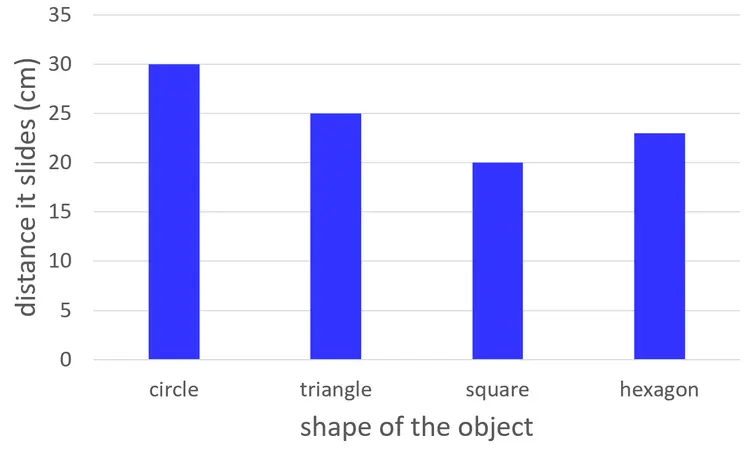
Q1.Which of these images shows a chart?


Q2.What do we do when we communicate?
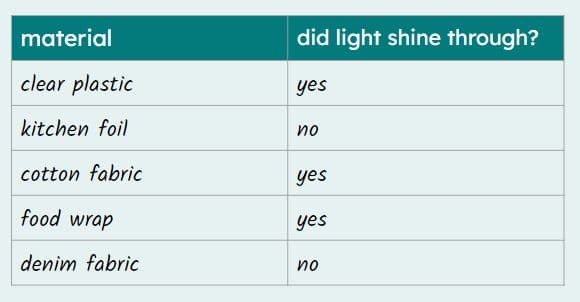
Q3.Which of these images shows a table?

Q4.What are the results of an investigation or enquiry?
Q5.What do scientists write at the end of an investigation or enquiry?
Q6.Why do scientists share the results of their work?
Assessment exit quiz
6 Questions
Q1.What is communication?
Q2.How can scientists communicate with the public?
Q3.What can help the public to understand the results of scientists' investigations?
Q4.How can scientists help people to lead healthier, safer lives?
Q5.Why were scientists on television every day during the Covid-19 pandemic?
Q6.Why do scientists write books and present television programmes?
To help you plan your 4 science lesson on: How scientists communicate with the public (non-statutory), download all teaching resources for free and adapt to suit your pupils' needs...
To help you plan your 4 science lesson on: How scientists communicate with the public (non-statutory), download all teaching resources for free and adapt to suit your pupils' needs.
The starter quiz will activate and check your pupils' prior knowledge, with versions available both with and without answers in PDF format.
We use learning cycles to break down learning into key concepts or ideas linked to the learning outcome. Each learning cycle features explanations with checks for understanding and practice tasks with feedback. All of this is found in our slide decks, ready for you to download and edit. The practice tasks are also available as printable worksheets and some lessons have additional materials with extra material you might need for teaching the lesson.
The assessment exit quiz will test your pupils' understanding of the key learning points.
Our video is a tool for planning, showing how other teachers might teach the lesson, offering helpful tips, modelled explanations and inspiration for your own delivery in the classroom. Plus, you can set it as homework or revision for pupils and keep their learning on track by sharing an online pupil version of this lesson.
Explore more key stage 2 science lessons from the Living things and the environment unit, dive into the full primary science curriculum, or learn more about lesson planning.