


Plant life cycles


Lesson details
Learning outcome
I can research and present the life cycles of different plants.
Key learning points
- Plants are living things that grow and reproduce
- Flowering plant life cycle stages include: germination, growing, pollination, seed formation and seed dispersal
- Scientific diagrams are used to show the stages in a life cycle
- Life cycles of different plants can be observed over time and/or researched using secondary sources of information
Keywords
Life cycle - A life cycle is the way in which a living thing changes throughout its life.
Germination - Germination is when a plant starts to grow from a seed.
Pollination - Pollination is when pollen from a male anther is transferred to the female stigma of a flower.
Fertilisation - Fertilisation happens when pollen from a male anther reaches a female ovary in a flower.
Seed dispersal - Seed dispersal is the way seeds are spread out from their parent plant.
Common misconception
Pupils may confuse pollination and seed dispersal, as both involve something from the flower being moved from one place to another.
Explain that each of these processes happen at different times and have different purposes. Pollination happens before seeds have formed and leads to fertilisation, whereas seed dispersal spreads the fully formed seeds away from the parent plant.
Teacher tip
Online time lapse videos showing different types of seeds germinating and flowers and fruits growing could be shared with pupils during the lesson to help bring the learning to life. This lesson contains a diagnostic question on slide 23 - see additional materials for further guidance.

Equipment
Access to the internet for research

Licence

Lesson video
Loading...
Prior knowledge starter quiz
6 Questions
Q1.A life cycle is…
Q2.Which part of a plant contains the parts used for reproduction?
Q3.What is seed formation?
Q4.Seeds are formed inside the ovaries of flowering plants. Where are the ovaries?
Q5.When pollen is transferred from one flower to a stigma of another flower by animals or the wind, it is called…
Q6.What is germination?
Assessment exit quiz
6 Questions
Q1.Which diagram would be used to show the stages in a living thing’s life cycle?
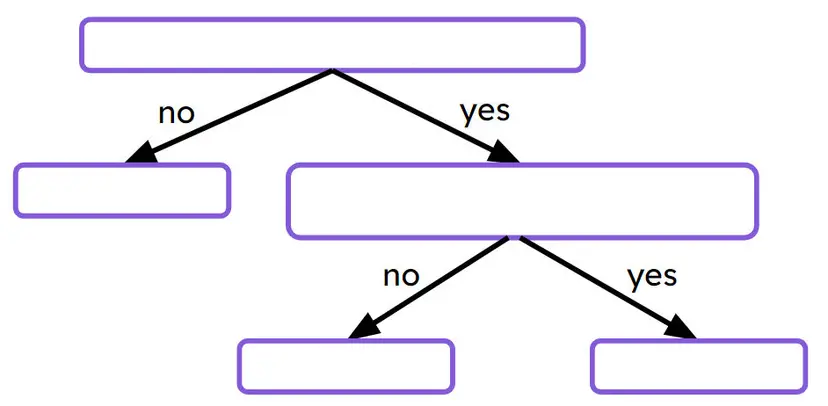
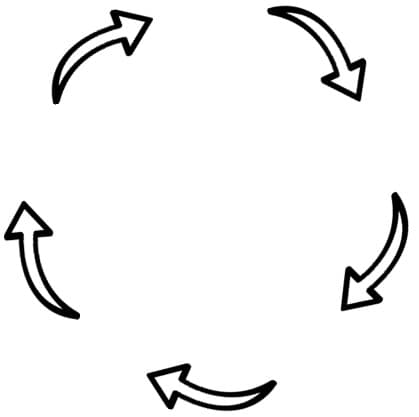
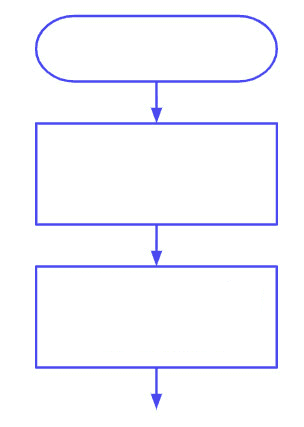
Q2.Plants are living things that can grow (get bigger) and (create offspring).
Q3.Starting with the point at which a plant first begins growing from a seed, order the stages in a flowering plant’s life cycle.
Q4.We can find out more about plant life cycles by observing plants over time or carrying out using secondary sources.
Q5.Match the name of the plant life cycle stage to what happens during that stage.

Q6.Which of these stages of the flowering plant life cycle needs either animals or wind in order to happen?
To help you plan your 5 science lesson on: Plant life cycles, download all teaching resources for free and adapt to suit your pupils' needs...
To help you plan your 5 science lesson on: Plant life cycles, download all teaching resources for free and adapt to suit your pupils' needs.
The starter quiz will activate and check your pupils' prior knowledge, with versions available both with and without answers in PDF format.
We use learning cycles to break down learning into key concepts or ideas linked to the learning outcome. Each learning cycle features explanations with checks for understanding and practice tasks with feedback. All of this is found in our slide decks, ready for you to download and edit. The practice tasks are also available as printable worksheets and some lessons have additional materials with extra material you might need for teaching the lesson.
The assessment exit quiz will test your pupils' understanding of the key learning points.
Our video is a tool for planning, showing how other teachers might teach the lesson, offering helpful tips, modelled explanations and inspiration for your own delivery in the classroom. Plus, you can set it as homework or revision for pupils and keep their learning on track by sharing an online pupil version of this lesson.
Explore more key stage 2 science lessons from the Reproduction and life cycles: plants unit, dive into the full primary science curriculum, or learn more about lesson planning.