


Ecological sampling of living organisms


Lesson details
Learning outcome
I can describe and choose suitable methods to sample populations of plants or animals.
Key learning points
- Sampling is used to obtain estimates of populations within an area because it would be impossible to count them all.
- There are lots of different sampling methods that can be used to sample plants and animals.
- Sampling is essential for conservation to monitor populations and compare them.
Keywords
Quadrat - A quadrat is a square frame which is used to sample populations of plants or slow-moving animals.
Pooter - A pooter is a piece of equipment used to suck up and sample small animals.
Mark-release-recapture - Mark-release-recapture is a way that is used to estimate the number of individuals in a population.
Pitfall trap - A pitfall trap is used to sample small ground living animals.
Sampling - Sampling is a survey of plants and/or animals which provides information about the populations of organisms.
Common misconception
Pupils often associate the use of quadrats to survey plants in one type of habitat. Pupils do not consider how they can be used to sample sedentary animals, e.g. barnacles or limpets on a rocky shore.
During the slidedeck there is reference to how quadrats can be used to sample plants and sedentary animals in different habitats.
Teacher tip
There are lots of opportunities to take pupils outside the classroom to carry out sampling methods. This can include using sweep nets and pond dipping in your local context. Quadrats can also be used to sample populations on the school field. Mark-release-recapture can be done using peas in a jar.

Licence

Lesson video
Loading...
Prior knowledge starter quiz
6 Questions
Q1.Match the word to its meaning.

Q2.What word means the mass of living material in one or more organisms?
Q3.In a food chain there are a number of trophic levels. Which tropic level does a food chain diagram always start with?
Q4.Look at the pyramid of biomass. Which organism is a producer?
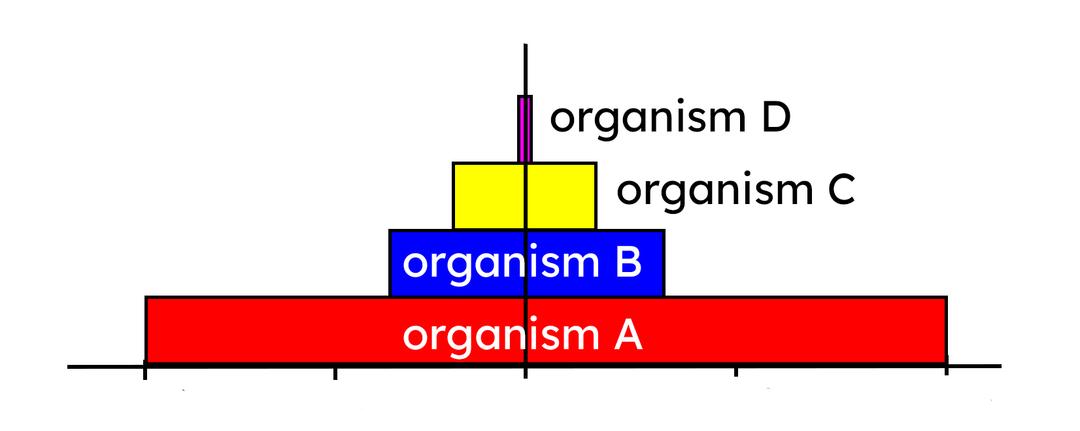
Q5.Which statement about pyramids of biomass is true?
Q6.An adaptation is a feature that organisms have to help them live in a particular place. Match each adaptation with how it helps the organism to survive.
Assessment exit quiz
6 Questions
Q1.Which of the following is true when explaining why scientists sample populations?
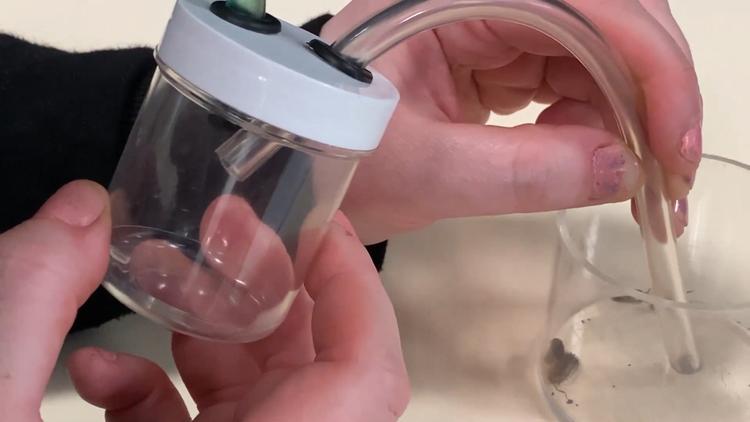
Q2.What piece of apparatus is used to suck up and sample small animals?
Q3.What is the name of this sampling method?
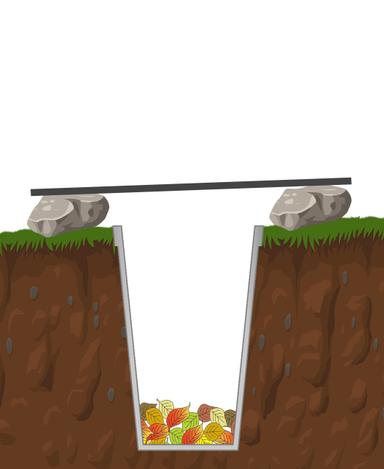
Q4.Which two of the following organisms might be sampled using this sampling technique?
Q5.A quadrat is used to survey which types of organisms?
Q6.10 snails were caught and marked in a mark-capture-recapture experiment. Two days later in a second catch 8 snails were caught. 4 of these were marked. What is the population of snails in the habitat?
To help you plan your 8 science lesson on: Ecological sampling of living organisms, download all teaching resources for free and adapt to suit your pupils' needs...
To help you plan your 8 science lesson on: Ecological sampling of living organisms, download all teaching resources for free and adapt to suit your pupils' needs.
The starter quiz will activate and check your pupils' prior knowledge, with versions available both with and without answers in PDF format.
We use learning cycles to break down learning into key concepts or ideas linked to the learning outcome. Each learning cycle features explanations with checks for understanding and practice tasks with feedback. All of this is found in our slide decks, ready for you to download and edit. The practice tasks are also available as printable worksheets and some lessons have additional materials with extra material you might need for teaching the lesson.
The assessment exit quiz will test your pupils' understanding of the key learning points.
Our video is a tool for planning, showing how other teachers might teach the lesson, offering helpful tips, modelled explanations and inspiration for your own delivery in the classroom. Plus, you can set it as homework or revision for pupils and keep their learning on track by sharing an online pupil version of this lesson.
Explore more key stage 3 science lessons from the Biodiversity unit, dive into the full secondary science curriculum, or learn more about lesson planning.