Acids and bases
I can describe some properties of acids and bases and use litmus paper to test for acids and bases.


- Year 9
Acids and bases
I can describe some properties of acids and bases and use litmus paper to test for acids and bases.
Lesson details
Key learning points
- Edible acids have a sour taste.
- A base is any substance that reacts with acids to form a compound called a salt.
- Alkalis are soluble bases, and form alkaline solutions.
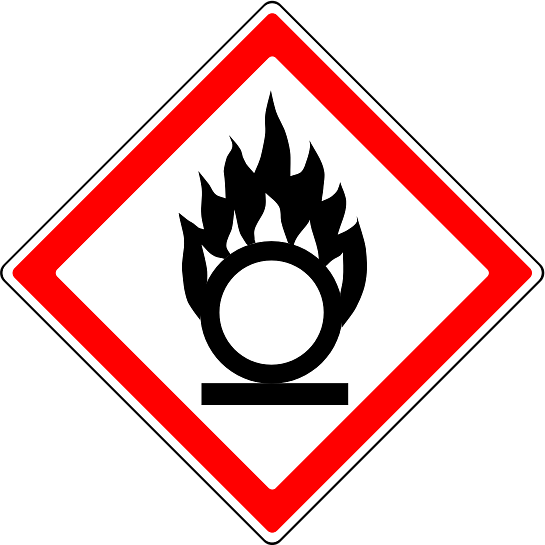
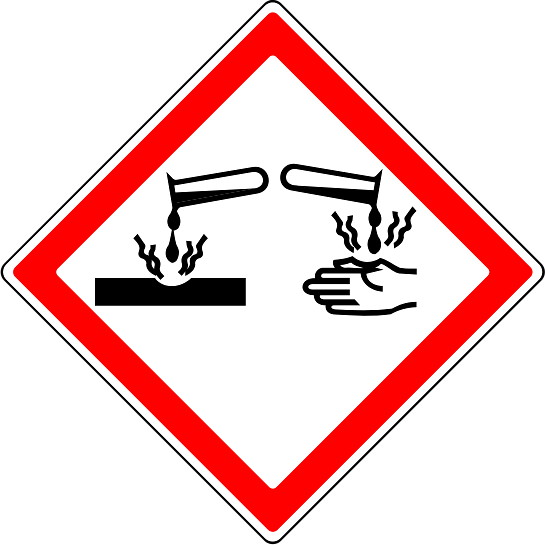
- Some acids and alkalis are corrosive and can cause chemical burns.
- An acid turns blue litmus paper red, an alkali turns red litmus paper blue.
Keywords
Acid - a solution that has a pH of less than 7.
Base - a substance that reacts with an acid to form a compound called a salt.
Alkali - a soluble base that has a pH of greater than 7.
Litmus paper - used to test if a solution is an acid or an alkali.
Corrosive substance - can react to damage substances or cause chemical burns on skin.
Common misconception
Pupils can get confused by the litmus paper test and presume that a change has to take place for it to be a positive result.
Use the phrases, stay red, stay blue, turn red, turn blue to help them understand that sometimes a positive test is no colour change.
To help you plan your year 9 science lesson on: Acids and bases, download all teaching resources for free and adapt to suit your pupils' needs...
To help you plan your year 9 science lesson on: Acids and bases, download all teaching resources for free and adapt to suit your pupils' needs.
The starter quiz will activate and check your pupils' prior knowledge, with versions available both with and without answers in PDF format.
We use learning cycles to break down learning into key concepts or ideas linked to the learning outcome. Each learning cycle features explanations with checks for understanding and practice tasks with feedback. All of this is found in our slide decks, ready for you to download and edit. The practice tasks are also available as printable worksheets and some lessons have additional materials with extra material you might need for teaching the lesson.
The assessment exit quiz will test your pupils' understanding of the key learning points.
Our video is a tool for planning, showing how other teachers might teach the lesson, offering helpful tips, modelled explanations and inspiration for your own delivery in the classroom. Plus, you can set it as homework or revision for pupils and keep their learning on track by sharing an online pupil version of this lesson.
Explore more key stage 3 science lessons from the Acids and bases unit, dive into the full secondary science curriculum, or learn more about lesson planning.


Equipment
Test tubes, house hold solutions to test, plastic pipette, spotting tile, red litmus paper, blue litmus paper.

Content guidance
- Risk assessment required - equipment

Supervision
Adult supervision required

Licence
Lesson video
Loading...
Prior knowledge starter quiz
6 Questions
Q1.What should you never do in order to see if a liquid is acidic?

Q2.Which part of our body releases hydrochloric acid to kill bacteria on our food?
Q3.Vinegar is an acid. When it is added to bicarbonate of soda, a chemical reaction occurs. The mixture fizzed showing a was being released.
Q4.Naturally occurring acids are often found in fruit making them taste sour. Which fruit contains the least acid?
Q5.What happens to the atoms in an acid during a chemical reaction?
Q6.Which of the following are not chemical properties?
Assessment exit quiz
6 Questions
Q1.Citric acid is found in many fruits. What does it taste like?
Q2.Which of the following hazard symbols is found on corrosive substances?