Electrical conductors and insulators
I can sort materials into electrical conductors and insulators.

Electrical conductors and insulators
I can sort materials into electrical conductors and insulators.
Lesson details
Key learning points
- An electrical conductor is a material that allows electricity to pass through it easily.
- An electrical insulator is a material that does not allow electricity to pass through it easily.
- Metals are the best materials for conducting electricity.
- There are minerals that can conduct electricity when dissolved in water.
- Examples of electrical insulators are plastic, rubber, wood, glass and air.
Keywords
Material - A material is what objects are made from such as wood, metal or plastic.
Electrical conductor - An electrical conductor is a material that allows electricity to pass through it easily.
Minerals - A mineral is a naturally occurring solid, e.g. a salt.
Electrical insulator - An electrical insulator is a material that does not allow electricity to pass through it easily.
Common misconception
Only metals are electrical conductors. All non-metals are electrical insulators. Water is an electrical conductor.
Children will test materials for conductivity, but the teaching slides will note that some non-metals are electrical conductors and that it is the dissolved minerals in water that can conduct electricity, not the water itself.


Equipment
Equipment to make simple circuits and a range of materials to test for conductivity.

Content guidance
- Risk assessment required - equipment

Supervision
Adult supervision required

Licence
Lesson video
Loading...
Prior knowledge starter quiz
6 Questions
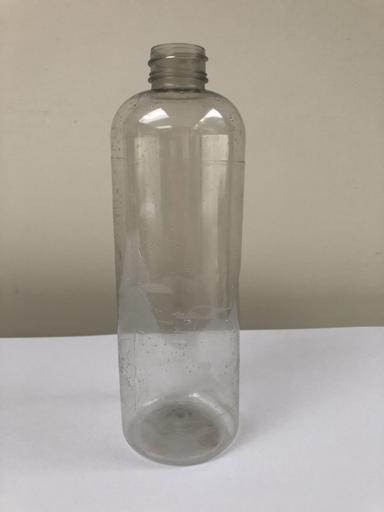
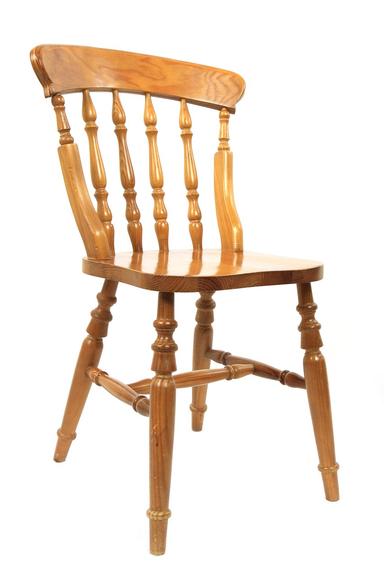
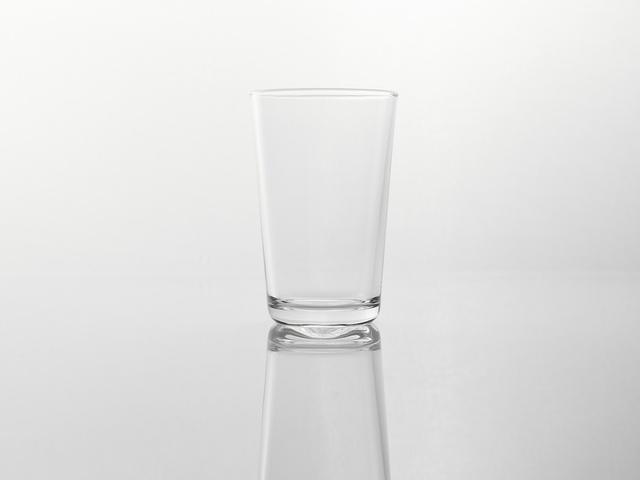
Q1.These objects are made of different materials. Which object has a label for the incorrect material?

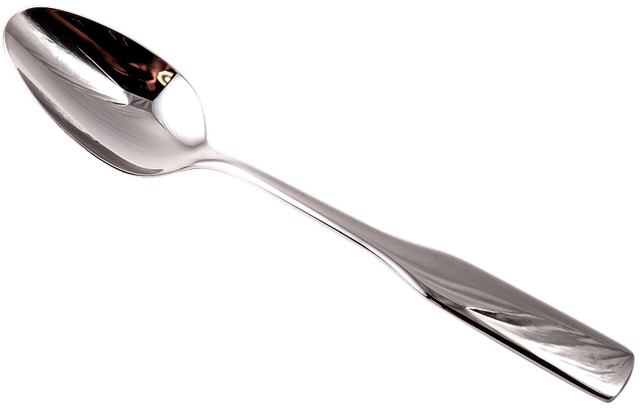
Q2.Which of these are properties of materials?
Q3.What type of switch is this?