Material properties
I can describe simple properties of everyday materials.
Lesson details
Key learning points
- Different materials can be described in different ways.
- The describing words we use for a material are called its properties.
- We use our senses when describing properties of materials.
- Materials can be compared and grouped on the basis of their simple properties.
Keywords
Material - A material is what an object is made from. An object can be made from more than one material.
Describe - To say or write what someone or something is like.
Properties - The describing words we use for a material are called its properties.
Observe - To observe is to look very closely and use other senses too.
Feel - To feel something is to touch it.
Common misconception
Some pupils may think that soft means smooth. Younger pupils may find it hard to describe a material based only on its properties (and not its function).
Opportunities to rehearse expressing ideas and describing properties. Teacher to model and correct as necessary, making clear the difference between the function of an object and the properties of its material(s).


Equipment
A variety of everyday materials with different properties, card, sticky tape, glue and/or stapler.

Content guidance
- Exploration of objects

Supervision
Adult supervision recommended

Licence
Lesson video
Loading...
Prior knowledge starter quiz
6 Questions
Q1.Which of these objects is made from glass?
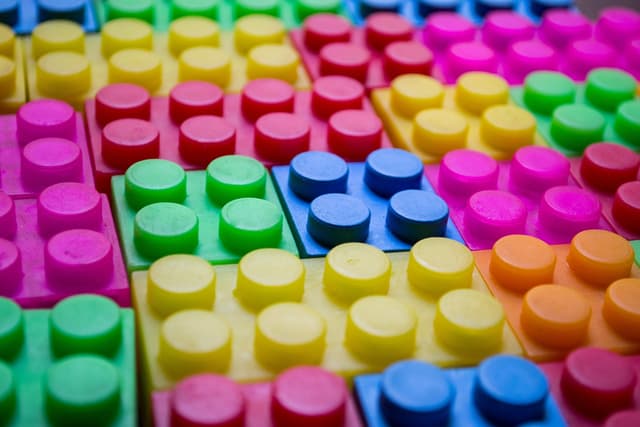
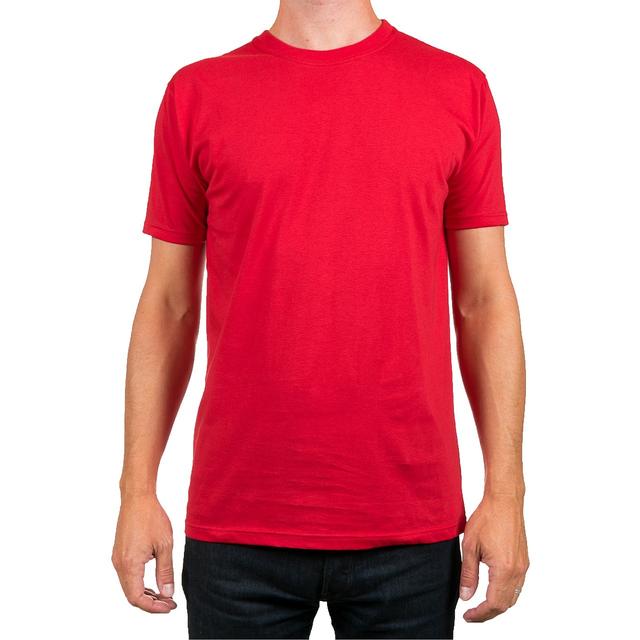
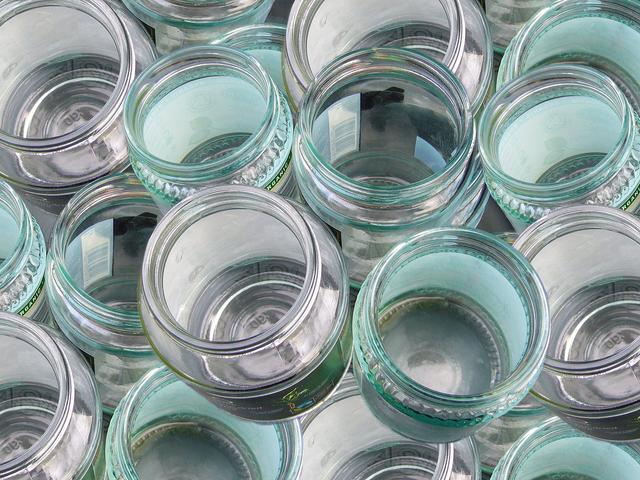

Q2.Before materials can be recycled, they must be cleaned and ...
Q3.Which of these is a material?
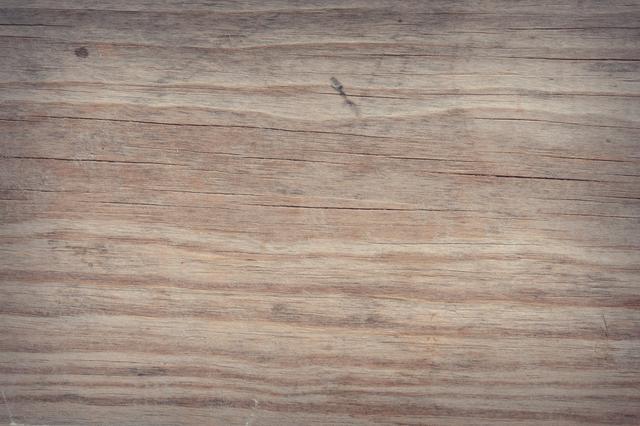
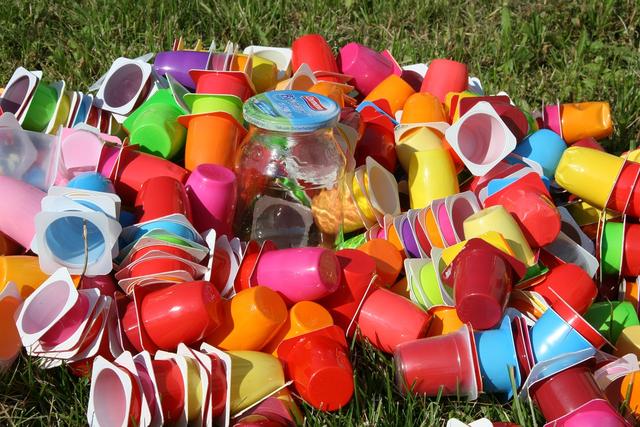
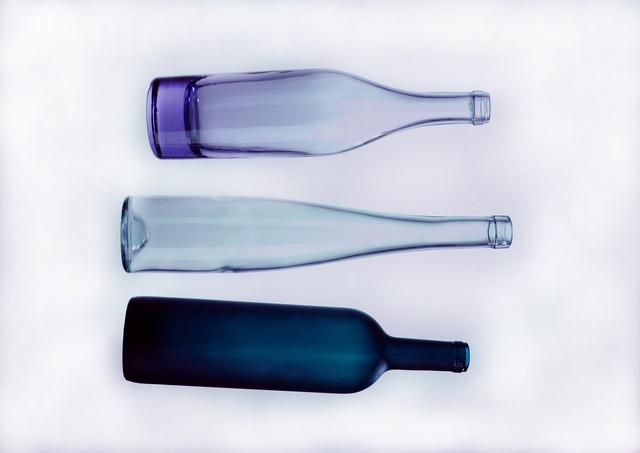
Q4.Which of these are part of the 3 Rs?
Q5.Reduce means ...
Q6.What happens to materials like glass, wood and plastic when they are recycled?
Assessment exit quiz
6 Questions
Q1.True or false? All materials are the same.
Q2.The describing words we use for a material are called its ...
Q3.When we describe properties of materials, we use ...
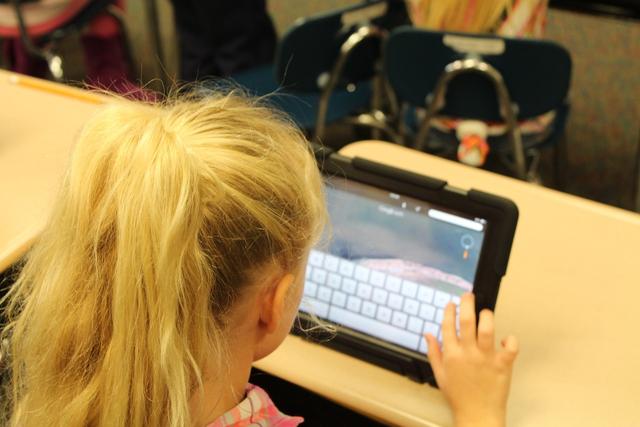

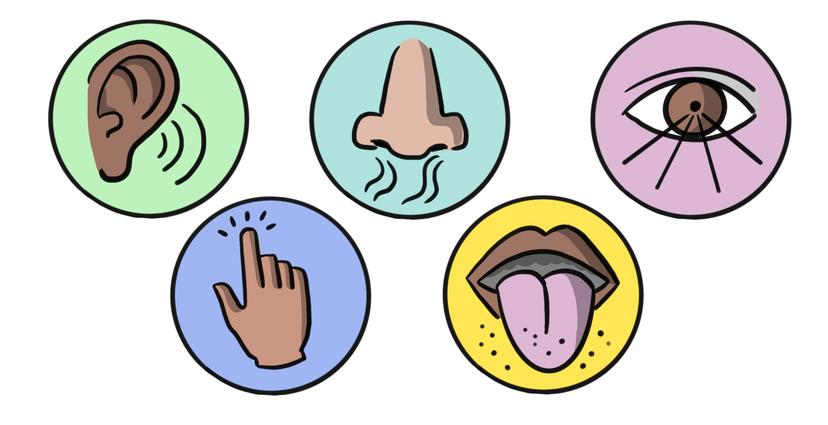
Q4.Lucas uses his senses to describe the properties of a wooden chair. Which of these is a sense?
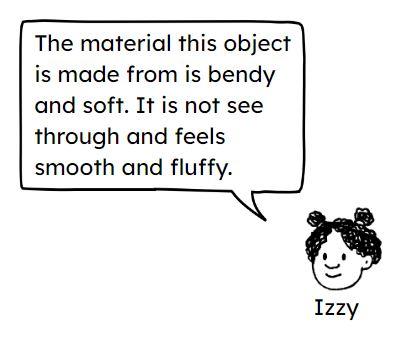
Q5.Which object is Izzy describing?
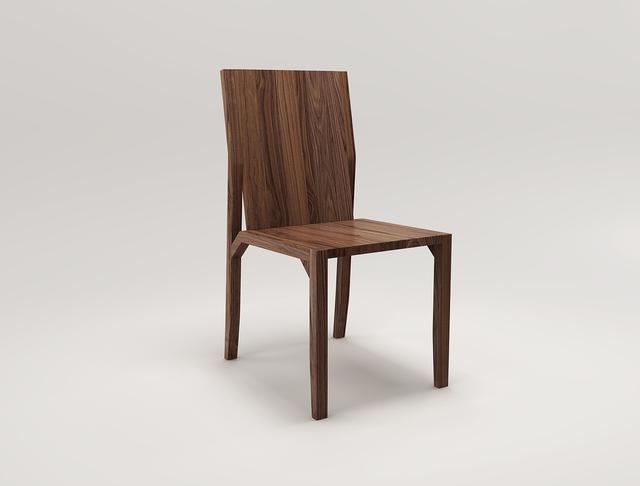
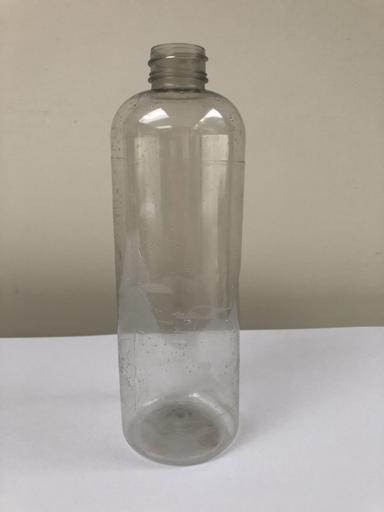
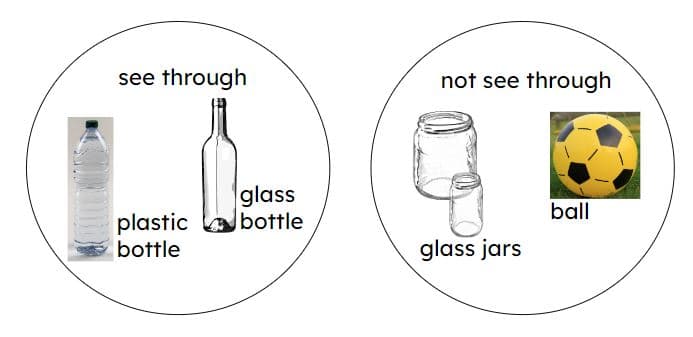
Q6.Aisha has grouped these objects into see-through and not see-through. Which object has she put into the wrong group?