Reflecting light from mirrors
I can investigate the reflection of light from mirrors by tracing beams of light and measuring angles, and compare results to the known laws of reflection.

Reflecting light from mirrors
I can investigate the reflection of light from mirrors by tracing beams of light and measuring angles, and compare results to the known laws of reflection.
Lesson details
Key learning points
- Light travelling in one direction (along a ray) that hits a mirror reflects (bounces off the mirror) in one direction.
- The ‘normal’ is an imaginary line drawn at 90° to the point of reflection.
- The angles of incidence and reflection are measured to the normal.
- The angle of reflection is always equal to the angle of incidence, the other side of the normal.
- On a graph, a line of best fit highlights the main pattern of the data, ignoring small errors.
Keywords
Protractor - a device used to measure angles
Normal - another way of saying ‘at 90°’ - a ‘normal line’ is at 90° to a surface
Reflect - to reflect off a surface means to hit the surface and ‘bounce’ off
Incident - an adjective meaning 'incoming'
Angle of incidence - the angle between the incident ray and the normal when light hits a mirror
Common misconception
Some pupils think that a ray of light can reflect off at an angle different to that at which it hits a plane mirror and perhaps in several directions.
Give pupils practical experience of measuring the angles at which light reflects off a plane mirror to confirm the correct rules; share results to confirm; and discuss potential sources of error that may lead to small discrepancies.


Equipment
Class practical: ray boxes (and power supplies if needed), suitable mirrors, protractors. Please see the additional materials for teacher and technician notes on this practical.

Content guidance
- Risk assessment required - equipment

Supervision
Adult supervision required

Licence
Lesson video
Loading...
Prior knowledge starter quiz
6 Questions
Q1.Which of the following images correctly shows light rays coming from a lamp?
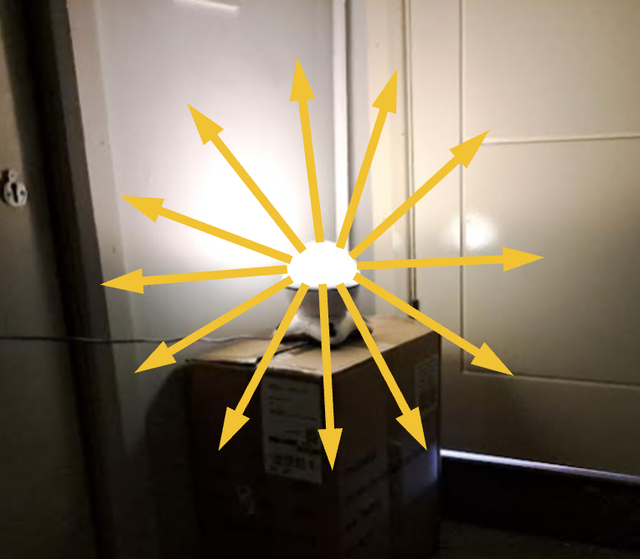
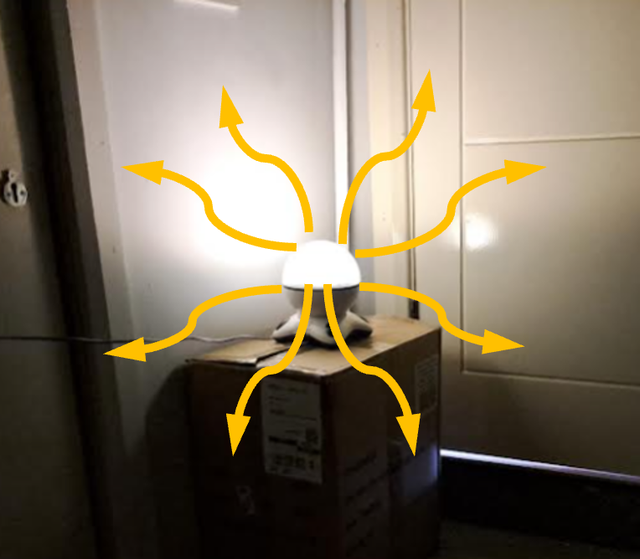
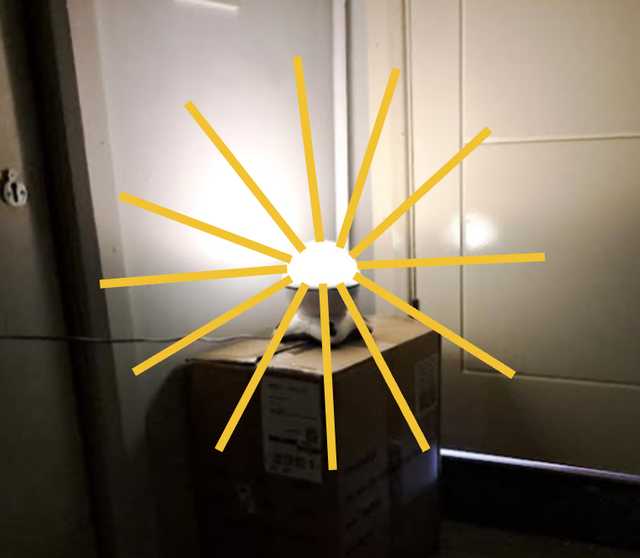
Q2.Which of the following units are angles measured in?
Q3.What is the size of the marked angle?
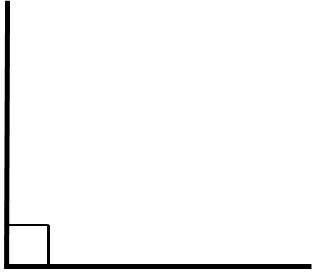
Q4.The size of a full turn is °.
Q5.Which of the following pieces of equipment is used to measure angles?
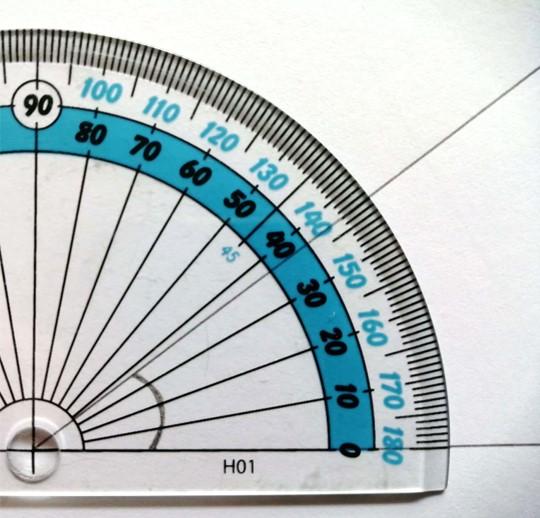
Q6.What is the size of the marked angle between the two lines in the image?
Assessment exit quiz
6 Questions
Q1.Match the following key terms to their definitions.

An imaginary line drawn at 90° to the point of reflection at a mirror.
An arrow showing the direction of light before it hits a mirror.
An arrow showing the direction of light after it hits a mirror.
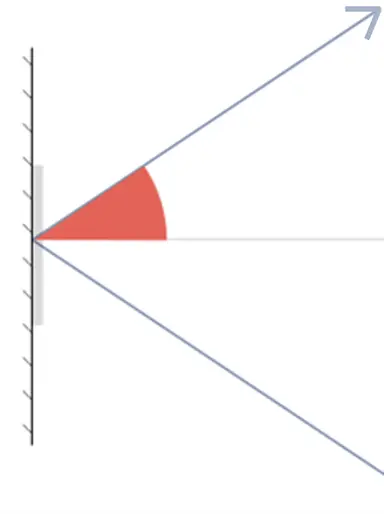
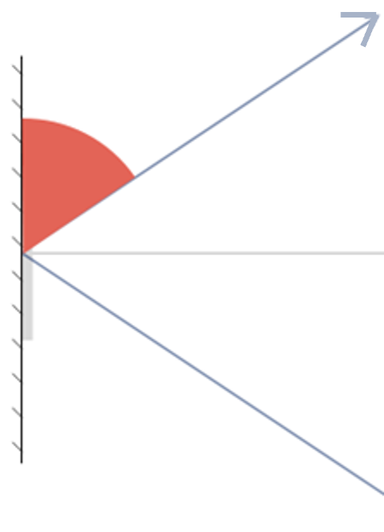
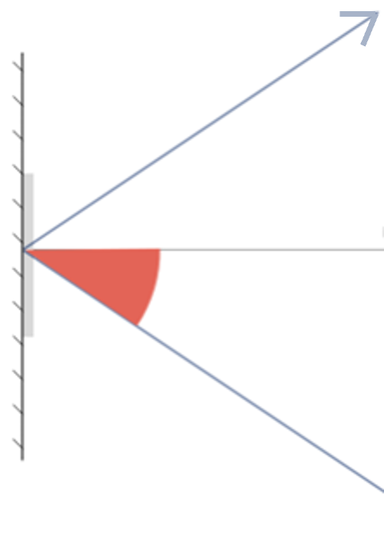
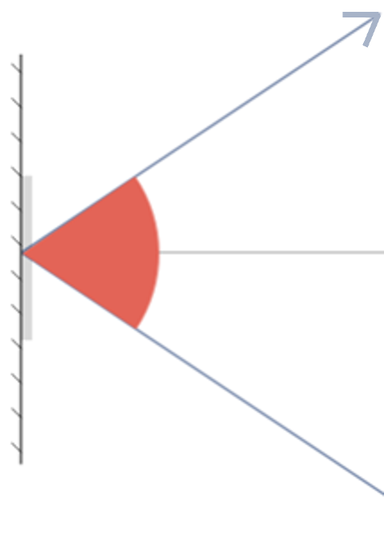
Q2.The diagrams show a light ray reflecting from a mirror. In which diagram is the angle of incidence marked?