New
New
Saturated solutions
I can compare data involving the solubility of different solutes and use it to describe saturation.


Lesson 11 of 11
New
New
- Year 7
Saturated solutions
I can compare data involving the solubility of different solutes and use it to describe saturation.
Lesson details
Key learning points
- At a given temperature, there is a limit to how much solute can dissolve in a solvent.
- Solutes may become insoluble as a solution cools.
- Lines of best fit can be used to predict unknowns values if one variable is known.
- Data from multiple investigations can be plotted on the same graph for ease of comparison.
Keywords
Saturated solution - A saturated solution is one in which no more solute can dissolve in the solvent at a given temperature.
Solubility - Solubility refers to how well a solute is able to dissolve in a solvent to create a solution.
Line of best fit - A line that depicts the trend of scattered data plots on a graph.
Common misconception
Pupils are reluctant/struggle to plot multiple sets of data on one graph.
Fold the table of results so pupils are only looking at one set of data at a time when plotting. Use different plot symbols/colours too.
Try a week-long practical whereby pupils create a saturated sugar solution and document how crystals grow as they make 'rock candy' on 'seeded' (i.e. dipped in sugar) string hanging in the saturated solution. Add food dyes for different colours.

Teacher tip

Licence
This content is © Oak National Academy Limited (2026), licensed on Open Government Licence version 3.0 except where otherwise stated. See Oak's terms & conditions (Collection 2).
Lesson video
Loading...
Prior knowledge starter quiz
6 Questions
Q1.What happens to most solutes as the temperature of a solvent increases?
What happens to most solutes as the temperature of a solvent increases?
They become insoluble.
Their mass increases.
They evaporate with the solvent.
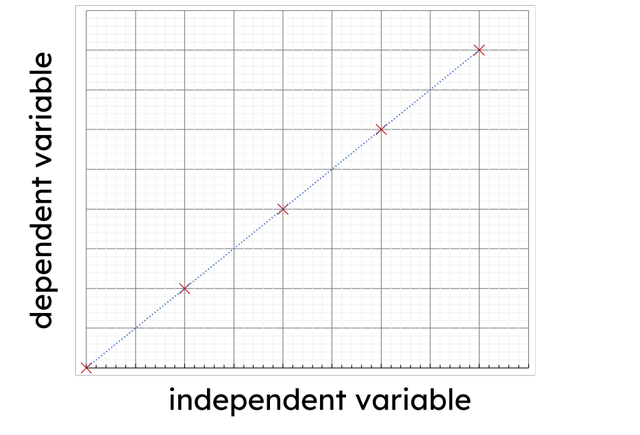
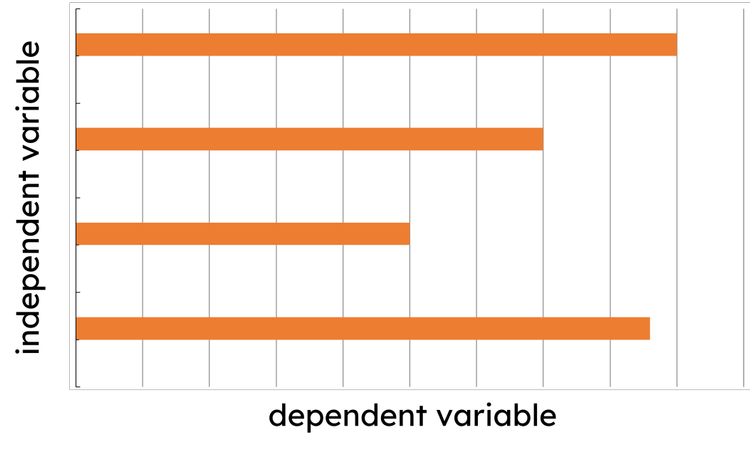
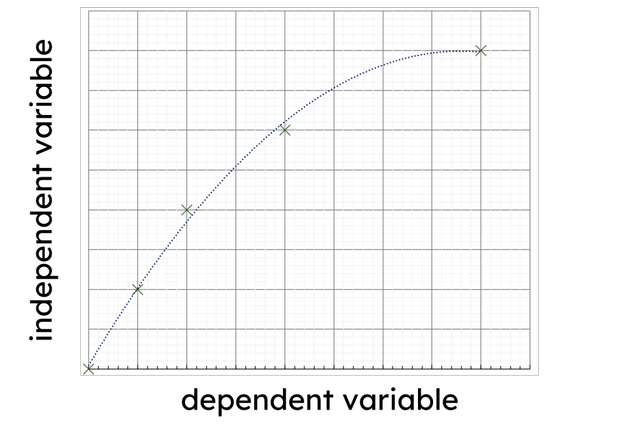
Q2.When drawing a graph in science, which of the following graphs have their variables plotted correctly?
When drawing a graph in science, which of the following graphs have their variables plotted correctly?
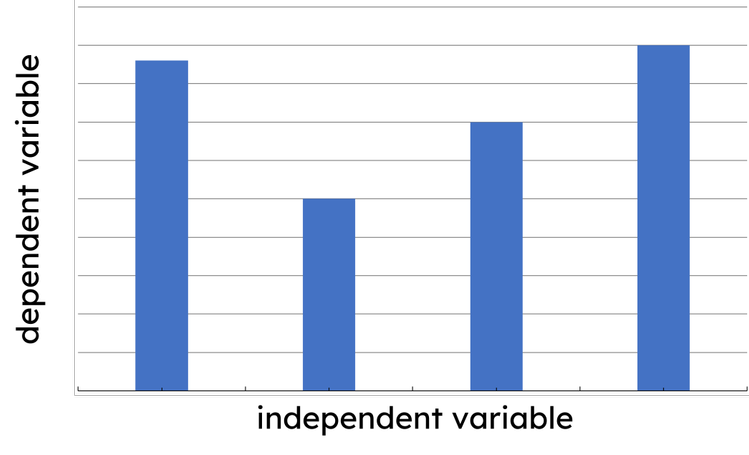
Q3.What is typically used in science to predict values from a graph?
What is typically used in science to predict values from a graph?
The axis labels.
The title of the graph.
The mean values before they're plotted.
A bar chart.
Q4.Solubility is a description of how well a solvent can dissolve into a solute.
Solubility is a description of how well a solvent can dissolve into a solute.
true
Q5.What type of graph is most appropriate for showing the relationship between suggested variables? KEY: Independent variable (IV) | Dependent variable (DV)
What type of graph is most appropriate for showing the relationship between suggested variables? KEY: Independent variable (IV) | Dependent variable (DV)

Q6.The term for the measure of how much a substance can dissolve in a given amount of solvent at a specific temperature is...
The term for the measure of how much a substance can dissolve in a given amount of solvent at a specific temperature is...
Assessment exit quiz
6 Questions
Q1.What observation indicates that a solution has become saturated?
What observation indicates that a solution has become saturated?
The solution becomes hot.
The solvent changes colour.
The solution starts to bubble.
Q2.A line of best fit on a solubility graph can be used to predict the solubility of a solute at temperatures not directly tested.
A line of best fit on a solubility graph can be used to predict the solubility of a solute at temperatures not directly tested.
false
Q3.When solutes become insoluble as a solution cools, it may lead to the formation of...
When solutes become insoluble as a solution cools, it may lead to the formation of...
Q4.The process of a solute dissolving in a solvent until no more can dissolve at a particular temperature is known as reaching...
The process of a solute dissolving in a solvent until no more can dissolve at a particular temperature is known as reaching...
Q5.Match the following key terms to their descriptions.
Match the following key terms to their descriptions.
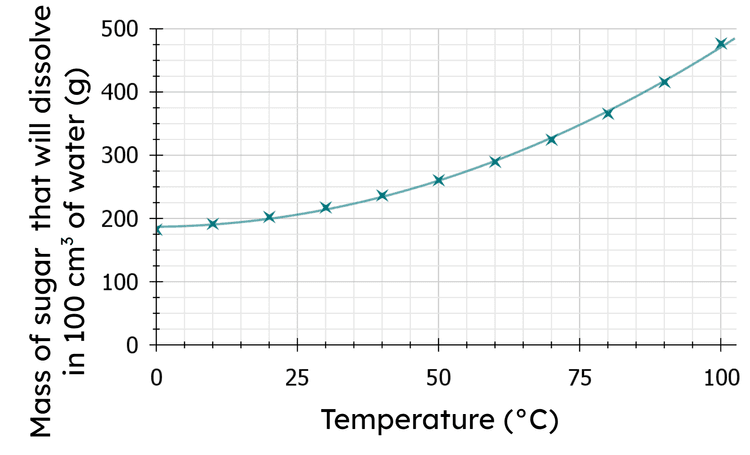
Q6.Use the graph to determine the mass (in grams) of sugar that will dissolve in 100 cm³ of water at 85℃. (Give the number to the nearest hundred).
Use the graph to determine the mass (in grams) of sugar that will dissolve in 100 cm³ of water at 85℃. (Give the number to the nearest hundred).