New
New

Tropical storms – responses

I can explain the immediate (short-term) and long-term responses to tropical storms.

New
New

Tropical storms – responses

I can explain the immediate (short-term) and long-term responses to tropical storms.

Lesson details

Key learning points

  1. People respond to the effects of tropical storms.
  2. There are short-term responses to tropical storms.
  3. There are long-term responses to tropical storms.

Keywords

  • Response - action taken to address the impacts of a disaster

  • NGO - non-governmental organisation, e.g. Unicef, who can provide emergency aid and long-term support as a neutral body

  • Evacuation - the process of moving people from a dangerous place to safety

  • Emergency aid - immediate assistance and supplies provided to people affected by a disaster

Common misconception

Immediate responses only happen during the tropical storm.

Immediate responses happen before, during and immediately after the storm.

Use a time line to separate immediate (days and weeks) and long-term (months and years) responses.
Teacher tip

Equipment

Content guidance

  • Depiction or discussion of violence or suffering

Supervision

Adult supervision required

Licence

This content is © Oak National Academy Limited (2026), licensed on Open Government Licence version 3.0 except where otherwise stated. See Oak's terms & conditions (Collection 2).

Lesson video

Loading...

Prior knowledge starter quiz

Download quiz pdf

6 Questions

Q1.
What are the main hazards tropical storms cause?
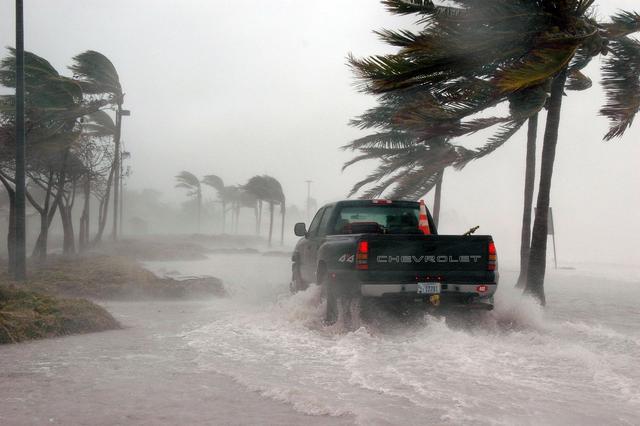
An image in a quiz
Correct answer: strong winds
snow storms
Correct answer: storm surges
heatwaves
Correct answer: heavy rainfall

Q2.
What does the Saffir-Simpson scale use as a way of measuring the severity of a storm?

height of storm surge
amount of rainfall
Correct answer: wind speed

Q3.
Primary effects are caused by strong winds, heavy rain and as the tropical storm makes landfall.

Correct Answer: storm surges, storm surge

Q4.
Which of these are secondary effects of a tropical storms?

injuries due to strong winds
Correct answer: loss of income due to damage to businesses
buildings destroyed

Q5.
Which of these countries are more vulnerable to the effects of tropical storms?

Correct answer: Bangladesh
Correct answer: Haiti
UK
Canada

Q6.
Match these keywords with their definitions.

Correct Answer:infrastructure,the basic networks, services and facilities needed for daily life

the basic networks, services and facilities needed for daily life

Correct Answer:vulnerable,being more susceptible to the harmful impacts of a natural hazard

being more susceptible to the harmful impacts of a natural hazard

Correct Answer:hazard,a natural or human-made event that poses a threat to people/property

a natural or human-made event that poses a threat to people/property

Assessment exit quiz

Download quiz pdf

6 Questions

Q1.
Match these keywords to the correct definitions.

Correct Answer:emergency aid,immediate assistance provided to people in distress during a disaster

immediate assistance provided to people in distress during a disaster

Correct Answer:evacuation ,the process of moving people from a dangerous place to safety

the process of moving people from a dangerous place to safety

Correct Answer:response,action taken to address the impacts of a disaster

action taken to address the impacts of a disaster

Q2.
Evacuations, search and rescue, and emergency aid are all examples of responses.

Correct Answer: immediate, short-term, short term

Q3.
What does NGO stands for?

new government organisation
non-governmental operations
Correct answer: non-governmental organisation

Q4.
What technology can be used to track and monitor tropical storms?

infrared cameras
seismographs
Correct answer: radar
Correct answer: satellites
sonar

Q5.
Long-term responses are about helping communities recover and become more resilient. This helps to the impact of future tropical storms.

1 - r
2 - e
3 - d
4 - u
5 - c
6 - e

Q6.
Long-term responses can include what type of environmental restoration?

restoring power
Correct answer: replanting mangroves
Correct answer: strengthening sea walls
repairing bridges

Lesson appears in

UnitGeography / Climate change and weather hazards

Edexcel BGeography

UnitGeography / Weather hazards

AQAGeography