


Micro:bit programs with variables


Lesson details
Learning outcome
I can create, simulate and download a simple Micro:bit program.
Key learning points
- Coding blocks are used in Tinkercad to create programs.
- Programs have to be downloaded onto the micro:bit.
- A variable is a place to store data in a program.
Keywords
Program - list of instructions to a computer
Coding blocks - language used to write instructions to a computer
Variable - a place to store data in a program
Debugging - finding and solving problems in a program
Common misconception
Micro:bits can work on their own by being connected in a circuit
Micro:bits have to have a program downloaded before being connected into a circuit
Teacher tip
Provide coding blocks for pupils to use, ensure electrical equipment is safe to use. Please see the additional materials for the example program used in the lesson.

Equipment
Laptops/chromebooks, micro:bits, battery packs, USB leads, internet access to Tinkercad

Content guidance
Risk assessment required - equipment

Supervision
Adult supervision required

Licence

Lesson video
Loading...
Prior knowledge starter quiz
6 Questions
Q1.A complete loop that goes from one side of a cell to the other is called a ...

Q2.Why are zinc carbon cells often used more frequently in schools?
Q3.How would you describe the switch in this circuit?
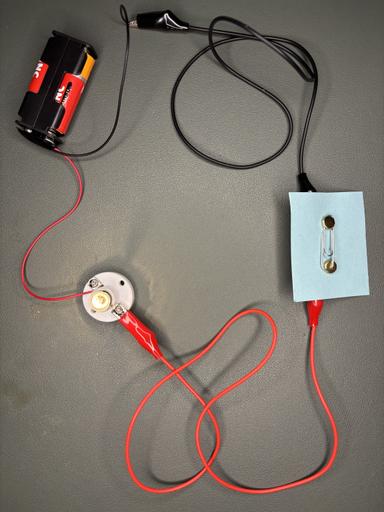
Q4.Which of these are resources needed to make a simple switch?
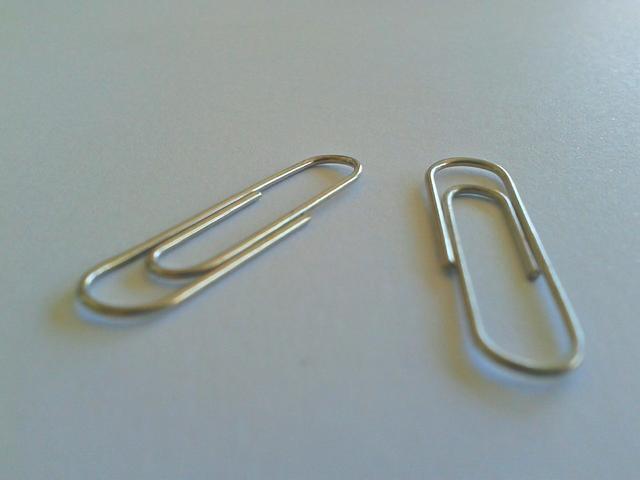
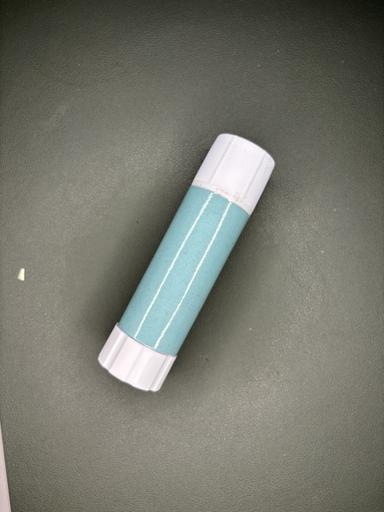
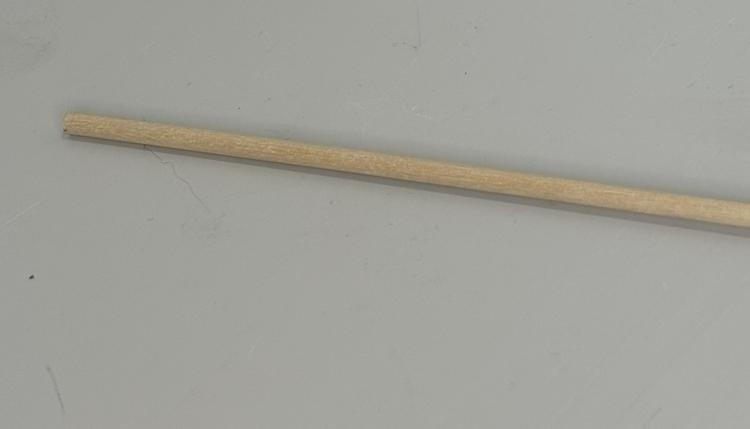
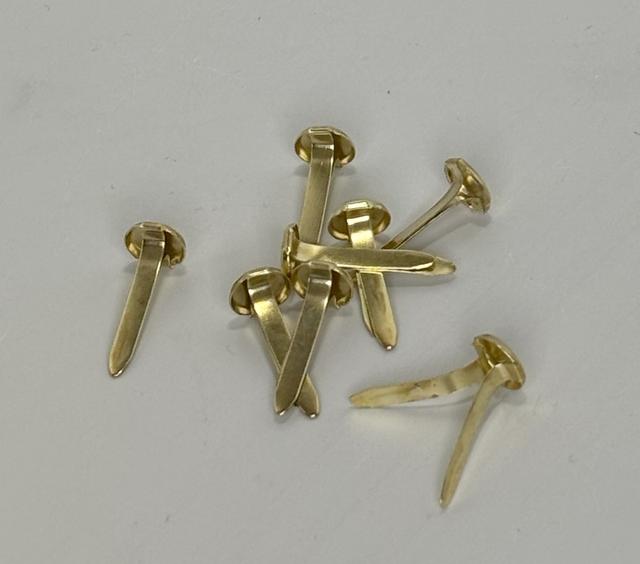
Q5.Which of these describes a switch in a circuit?
Q6.Which of these is not good safety advice when working with electrical circuits?
Assessment exit quiz
4 Questions
Q1.What is a computing program?
Q2.What type of coding blocks will need to be set up to represent a different type of data set?
Q3.What do you click to test a micro:bit program in Tinkercad?
Q4.Debugging a program means to ...
To help you plan your 4 design and technology lesson on: Micro:bit programs with variables, download all teaching resources for free and adapt to suit your pupils' needs...
To help you plan your 4 design and technology lesson on: Micro:bit programs with variables, download all teaching resources for free and adapt to suit your pupils' needs.
The starter quiz will activate and check your pupils' prior knowledge, with versions available both with and without answers in PDF format.
We use learning cycles to break down learning into key concepts or ideas linked to the learning outcome. Each learning cycle features explanations with checks for understanding and practice tasks with feedback. All of this is found in our slide decks, ready for you to download and edit. The practice tasks are also available as printable worksheets and some lessons have additional materials with extra material you might need for teaching the lesson.
The assessment exit quiz will test your pupils' understanding of the key learning points.
Our video is a tool for planning, showing how other teachers might teach the lesson, offering helpful tips, modelled explanations and inspiration for your own delivery in the classroom. Plus, you can set it as homework or revision for pupils and keep their learning on track by sharing an online pupil version of this lesson.
Explore more key stage 2 design and technology lessons from the Simple programming and control: data loggers unit, dive into the full primary design and technology curriculum, or learn more about lesson planning.