


Design


Lesson details
Learning outcome
I can explain how design affects the environmental impact of a product.
Key learning points
- Design plays a crucial role in shaping the environmental impact of a product across it's entire lifecycle.
- Designing products that last longer and can be shared help to reduce environmental impact.
Keywords
Circular economy - an economic system where products and materials are kept in circulation and do not become waste
Design decisions - a deliberate choice to meet a requirement or solve a problem
Modular design - a design approach where a product is made up of separate, interchangeable parts or modules
Design opportunity - a gap, or a need where a new or improved product would be beneficial
Common misconception
Sustainability decisions happen after the product has been designed.
At the design stage, designers have a huge responsibility to influence many other stages of a product's life cycle through their design decisions.
Teacher tip
Source a range of products with differing environmental impacts. What decisions were and could be made to reduce the environmental impact?

Licence

Lesson video
Loading...
Prior knowledge starter quiz
6 Questions
Q1.Identify the examples of products that follow a circular economy.
Q2.Which stage of the circular economy would the be the use of hybrid or electric vehicles?
Q3.Successful design do not give a specific solution.
Q4.What is the correct definition for life cycle assessment?
Q5.Match the term to the definition.

Q6.80% of a product's environmental impact is influenced by decisions made at which stage of the circular economy?
Assessment exit quiz
4 Questions
Q1.Ellen MacArthur Foundation states that of a product's environmental impact is influenced by decisions made at the design stage.
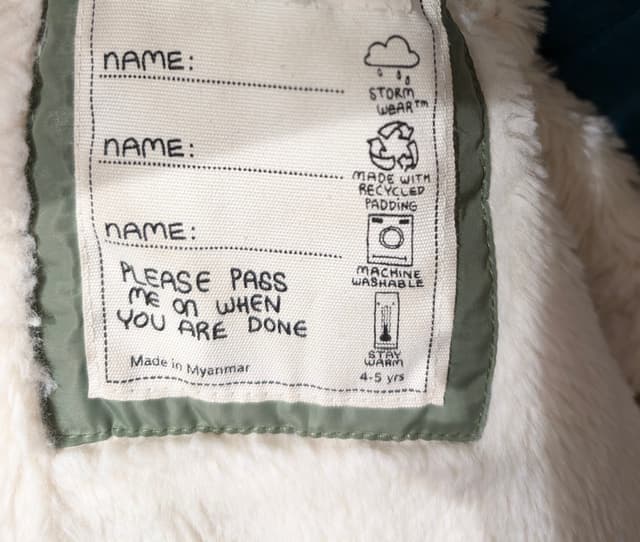
Q2.A label such as this encourages users to:
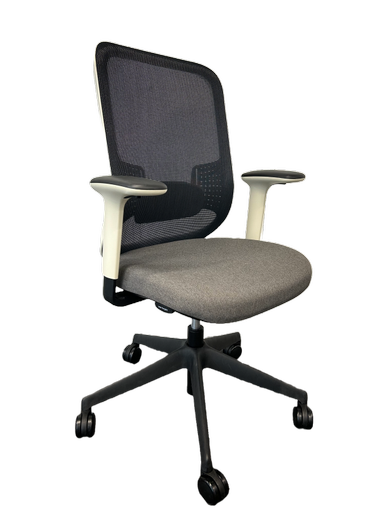
Q3.Environmental benefits of a chair such as this include:
Q4.Match the benefits of a bike share scheme to the stage of the circular economy.
To help you plan your 9 design and technology lesson on: Design, download all teaching resources for free and adapt to suit your pupils' needs...
To help you plan your 9 design and technology lesson on: Design, download all teaching resources for free and adapt to suit your pupils' needs.
The starter quiz will activate and check your pupils' prior knowledge, with versions available both with and without answers in PDF format.
We use learning cycles to break down learning into key concepts or ideas linked to the learning outcome. Each learning cycle features explanations with checks for understanding and practice tasks with feedback. All of this is found in our slide decks, ready for you to download and edit. The practice tasks are also available as printable worksheets and some lessons have additional materials with extra material you might need for teaching the lesson.
The assessment exit quiz will test your pupils' understanding of the key learning points.
Our video is a tool for planning, showing how other teachers might teach the lesson, offering helpful tips, modelled explanations and inspiration for your own delivery in the classroom. Plus, you can set it as homework or revision for pupils and keep their learning on track by sharing an online pupil version of this lesson.
Explore more key stage 3 design and technology lessons from the The circular economy unit, dive into the full secondary design and technology curriculum, or learn more about lesson planning.