


Micro:bits in Tinkercad


Lesson details
Learning outcome
I can combine inputs, processes and outputs with feedback in a control system.
Key learning points
- Control systems use inputs such as switches and sensors.
- Control systems use processes such as microcontrollers.
- Control systems use outputs such as sound, light or movement.
- Control systems use feedback.
Keywords
Microcontroller - a device that can be programmed to control how an electrical product operates
Program - a sequence of instructions used to control electrical components.
Feedback - a signal that is sent back in a loop, depending upon a condition
Common misconception
External components must be used with microcontrollers to create control systems.
Microcontrollers have on board inputs and ouputs and connection points for additional external components.
Teacher tip
Consider the context and design opportunity when creating a control system.

Equipment
Student access to Tinkercad.

Licence

Lesson video
Loading...
Prior knowledge starter quiz
6 Questions
Q1.What are the stages of a systems approach to designing?

Q2.Which component is NOT an Input?
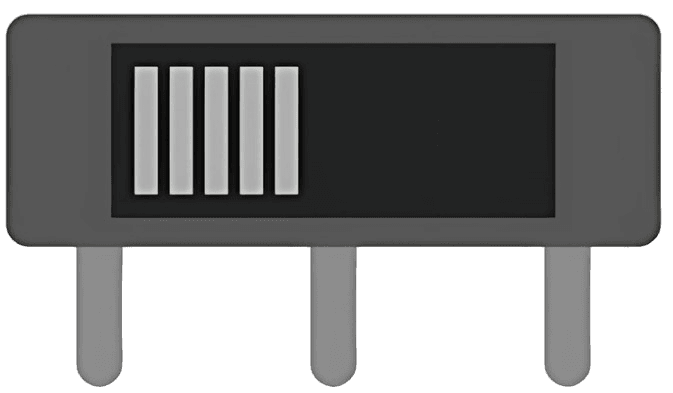
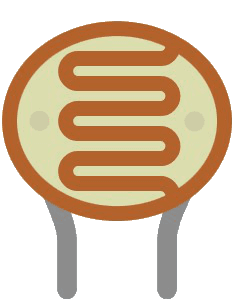
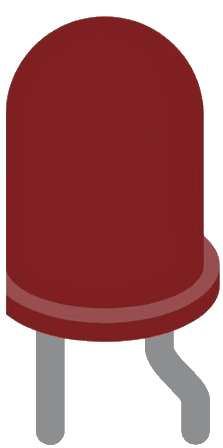
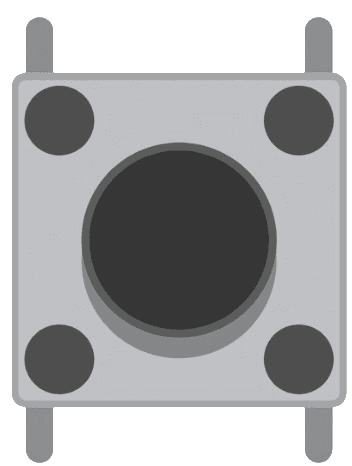
Q3.Which of these components are polarised?
Q4.Virtually designs is a way of testing them without wasting material or components.
Q5.Which colour wire is associated with the negative connection in an electronic circuit?
Q6.Which component can you use to sense light levels?
Assessment exit quiz
4 Questions
Q1.The micro:bit is a that can be programmed to control how an electrical product operates.
Q2.To program a micro:bit in Tinkercad we use ...
Q3.What is it called when a signal is sent back in a loop, depending upon a condition?
Q4.Which code block is used when there is a decision which can be either true or false?
To help you plan your 9 design and technology lesson on: Micro:bits in Tinkercad, download all teaching resources for free and adapt to suit your pupils' needs...
To help you plan your 9 design and technology lesson on: Micro:bits in Tinkercad, download all teaching resources for free and adapt to suit your pupils' needs.
The starter quiz will activate and check your pupils' prior knowledge, with versions available both with and without answers in PDF format.
We use learning cycles to break down learning into key concepts or ideas linked to the learning outcome. Each learning cycle features explanations with checks for understanding and practice tasks with feedback. All of this is found in our slide decks, ready for you to download and edit. The practice tasks are also available as printable worksheets and some lessons have additional materials with extra material you might need for teaching the lesson.
The assessment exit quiz will test your pupils' understanding of the key learning points.
Our video is a tool for planning, showing how other teachers might teach the lesson, offering helpful tips, modelled explanations and inspiration for your own delivery in the classroom. Plus, you can set it as homework or revision for pupils and keep their learning on track by sharing an online pupil version of this lesson.
Explore more key stage 3 design and technology lessons from the Functional prototypes: wearable technology unit, dive into the full secondary design and technology curriculum, or learn more about lesson planning.