


Compare and order lengths


Lesson details
Learning outcome
I can compare and order lengths.
Key learning points
- When the units are the same, you can compare lengths in the same way as we compare 2-digit numbers.
- When the units are the same, you can order lengths in the same way as we order 2-digit numbers.
- When the units are different and the numbers are the same, you can compare lengths by looking at the unit.
Keywords
Compare - You compare to find out what is the same and what is different. You can compare numbers to find out if one is greater than or less than another.
Order - You can order numbers from the smallest to the largest or from the largest to the smallest. The order stays the same when you count.
Common misconception
Children may confuse the comparative language of taller, tallest, longer and longest.
Talk about the difference between longest and tallest. Collect examples together and label each object as tallest or longest to support children's understanding.
Teacher tip
If children are not yet secure with inequality symbols, they would benefit from some additional practice before starting this lesson. It would be helpful if children have access to labelled number lines and Base 10 equipment to support their understanding of comparing two-digit numbers.

Licence

Lesson video
Loading...
Prior knowledge starter quiz
6 Questions
Q1.Order the lengths using < > or = 12 m ___ 20 m

Q2.Order the unit of lengths using < > or = metres ___ centimetres
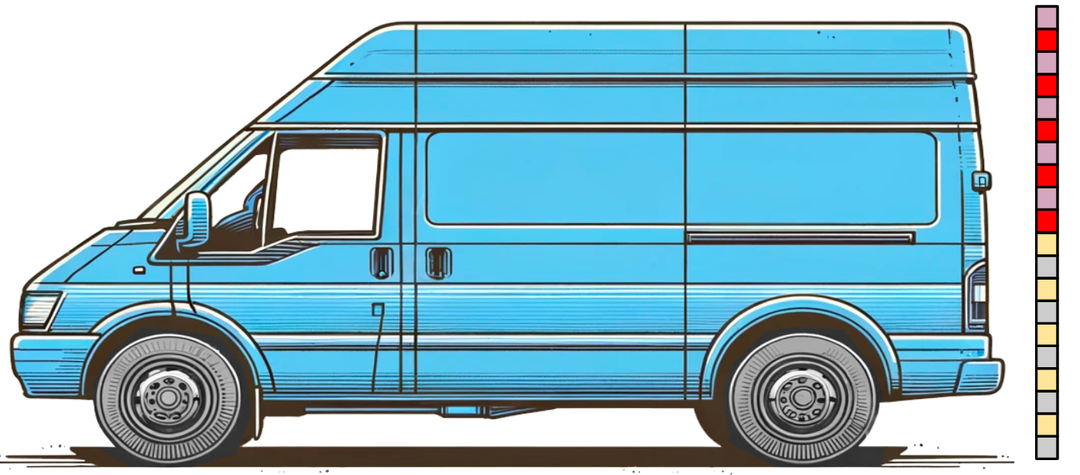
Q3.Which standard unit of measure would be used for the height of a van?
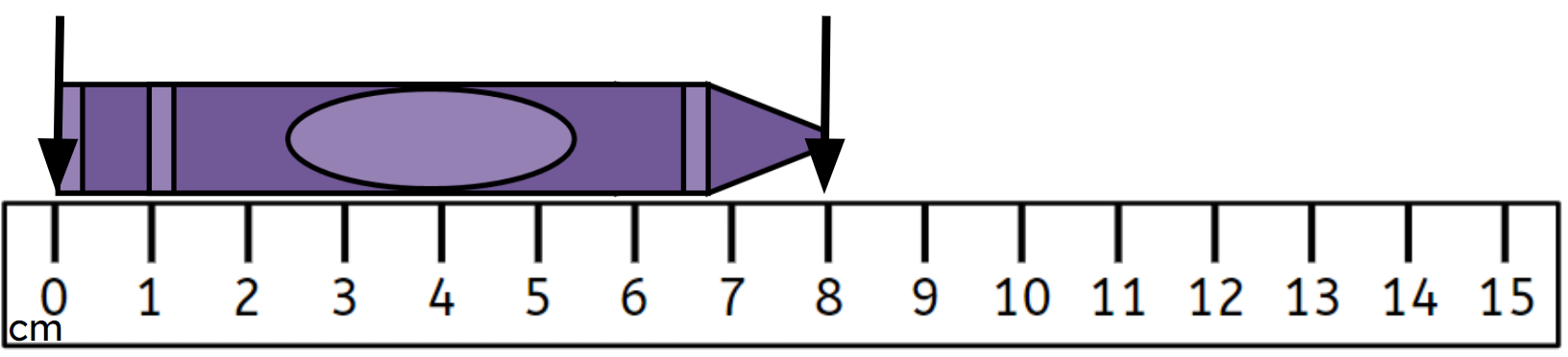
Q4.This crayon is cm long.
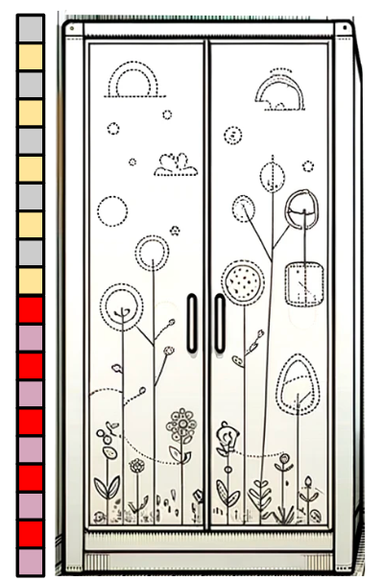
Q5.The wardrobe is metres tall.
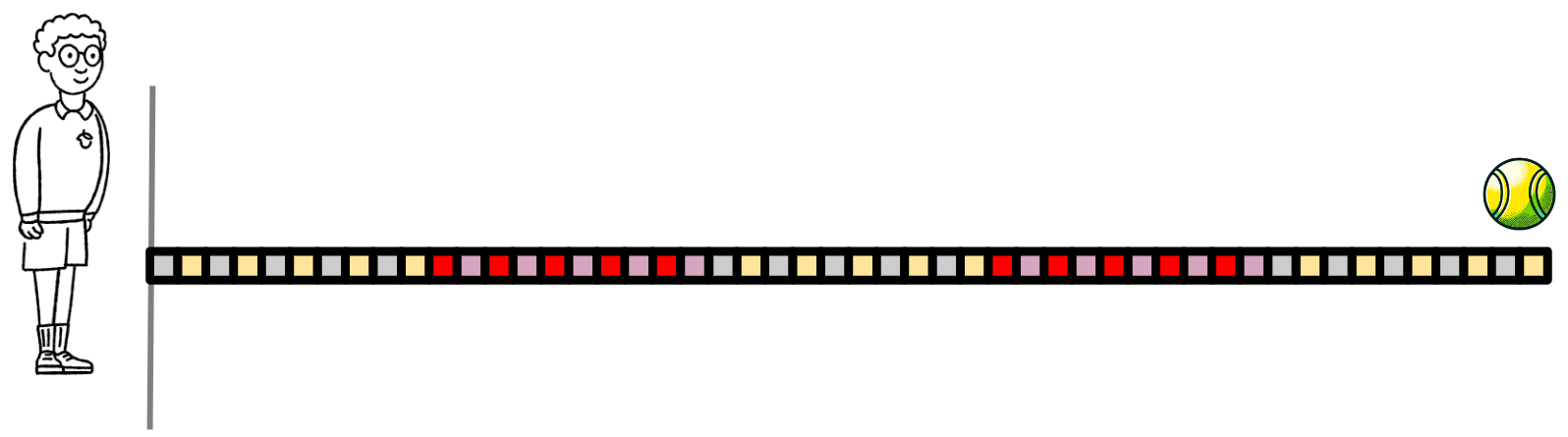
Q6.Alex threw the ball 5 __________.
Assessment exit quiz
6 Questions
Q1.Complete the sentence. 48 metres is __________ 48 centimetres.
Q2.Which length is longer? Use < or > to compare. 15 cm ___ 13 cm
Q3.Compare the lengths using < > or = 17 m ___ 71 m
Q4.Order the lengths using < or > 63 cm ___ 36 cm
Q5.An ash tree is 22 m tall. A silver birch tree is 17 m tall. An oak tree is shorter than the ash tree but taller than the silver birch tree. How tall could the oak tree be?
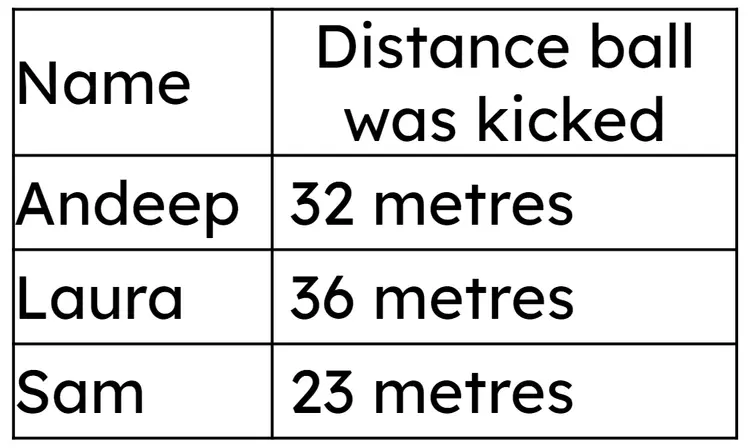
Q6.Look at how far each of the children could kick a football. Order the children, starting with the one who kicked their ball the shortest distance.
To help you plan your 2 maths lesson on: Compare and order lengths, download all teaching resources for free and adapt to suit your pupils' needs...
To help you plan your 2 maths lesson on: Compare and order lengths, download all teaching resources for free and adapt to suit your pupils' needs.
The starter quiz will activate and check your pupils' prior knowledge, with versions available both with and without answers in PDF format.
We use learning cycles to break down learning into key concepts or ideas linked to the learning outcome. Each learning cycle features explanations with checks for understanding and practice tasks with feedback. All of this is found in our slide decks, ready for you to download and edit. The practice tasks are also available as printable worksheets and some lessons have additional materials with extra material you might need for teaching the lesson.
The assessment exit quiz will test your pupils' understanding of the key learning points.
Our video is a tool for planning, showing how other teachers might teach the lesson, offering helpful tips, modelled explanations and inspiration for your own delivery in the classroom. Plus, you can set it as homework or revision for pupils and keep their learning on track by sharing an online pupil version of this lesson.
Explore more key stage 1 maths lessons from the Sense of measure - capacity, volume and mass unit, dive into the full primary maths curriculum, or learn more about lesson planning.