Myths about teaching can hold you back
- Year 5
Find the whole when the size of a non-unit fraction is known
I can find the whole when the size of a non-unit fraction is known.
- Year 5
Find the whole when the size of a non-unit fraction is known
I can find the whole when the size of a non-unit fraction is known.
Lesson details
Key learning points
- This is __ of the whole so one part of the whole is __
- There will be __ of these parts in the whole
- If you work out the size of a unit fraction from the non-unit fraction, you can work out the size of the whole
Keywords
Represent - To represent something means to show something in a different way. The same thing can be shown using multiple representations.
Unit fraction - A unit fraction is a fraction that has a numerator of one.
Non-unit fraction - A non-unit fraction is a fraction that has a numerator greater than one.
Denominator - The denominator is the bottom number in a fraction.
Numerator - The numerator is the top number in a fraction.
Common misconception
Pupils multiply the non-unit fraction by the denominator to create the whole.
Ensure pupils spend time breaking down non-unit fractions back into unit fractions. Encourage pupils to recognise this as two stages. Firstly, find the unit fraction. Secondly, re-create the whole.
To help you plan your year 5 maths lesson on: Find the whole when the size of a non-unit fraction is known, download all teaching resources for free and adapt to suit your pupils' needs...
To help you plan your year 5 maths lesson on: Find the whole when the size of a non-unit fraction is known, download all teaching resources for free and adapt to suit your pupils' needs.
The starter quiz will activate and check your pupils' prior knowledge, with versions available both with and without answers in PDF format.
We use learning cycles to break down learning into key concepts or ideas linked to the learning outcome. Each learning cycle features explanations with checks for understanding and practice tasks with feedback. All of this is found in our slide decks, ready for you to download and edit. The practice tasks are also available as printable worksheets and some lessons have additional materials with extra material you might need for teaching the lesson.
The assessment exit quiz will test your pupils' understanding of the key learning points.
Our video is a tool for planning, showing how other teachers might teach the lesson, offering helpful tips, modelled explanations and inspiration for your own delivery in the classroom. Plus, you can set it as homework or revision for pupils and keep their learning on track by sharing an online pupil version of this lesson.
Explore more key stage 2 maths lessons from the Find unit and non-unit fractions of whole numbers exploring parts and wholes unit, dive into the full primary maths curriculum, or learn more about lesson planning.
Licence
Prior knowledge starter quiz
6 Questions
Q1.Complete: $$ \frac{1}{4} $$ + $$ \frac{1}{4} $$ + $$ \frac{1}{4} $$ + $$ \frac{1}{4} $$ =
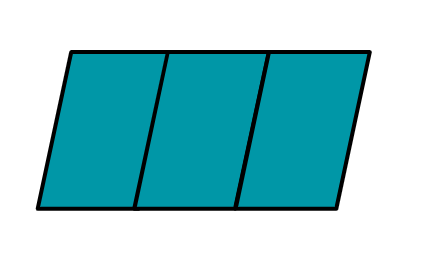
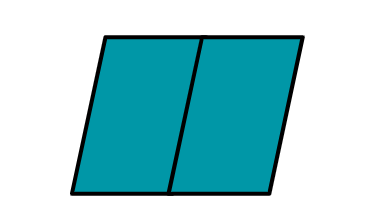
Q2.The image represents $$ \frac{3}{4} $$ of the shape.
Tick the image that shows $$ \frac{1}{4} $$


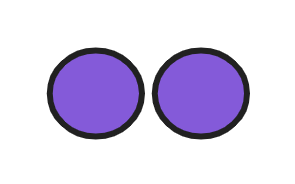
Q3.The image represents $$ \frac{2}{5} $$ of the whole.
Tick the image that shows $$ \frac{1}{5} $$


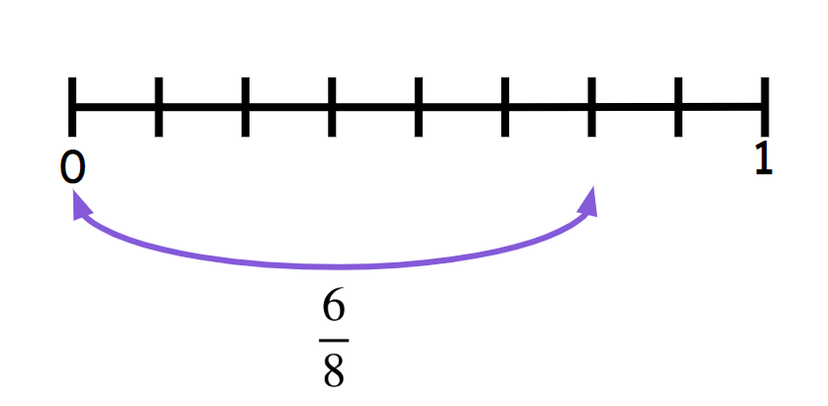
Q4.The part of the image shown by the arrow represents $$ \frac{6}{8} $$
How many intervals would represent $$ \frac{1}{8} $$

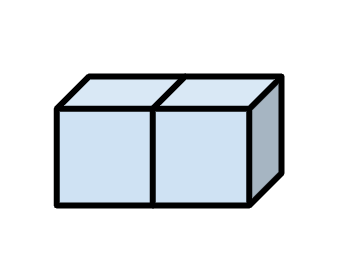
Q5.The image represents $$ \frac{1}{4} $$ of the whole.
How many cubes would be needed to make the whole? cubes

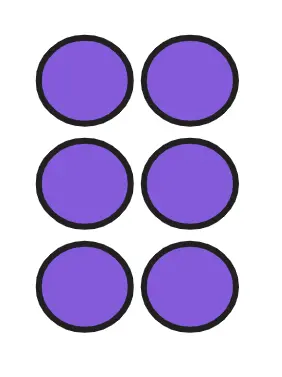
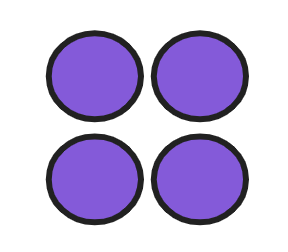
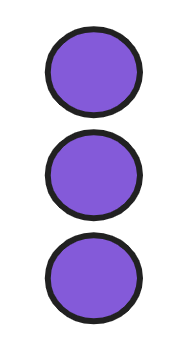
Q6.The image represents $$ \frac{3}{5} $$ of the whole.
How many circles would be needed to represent the whole?

Assessment exit quiz
6 Questions
Q1.Think about a fraction. The __________ tells us how many equal parts the whole has been divided into.
Q2.The image represents $$ \frac{2}{5} $$ of the whole. Tick the images that could represent the whole.


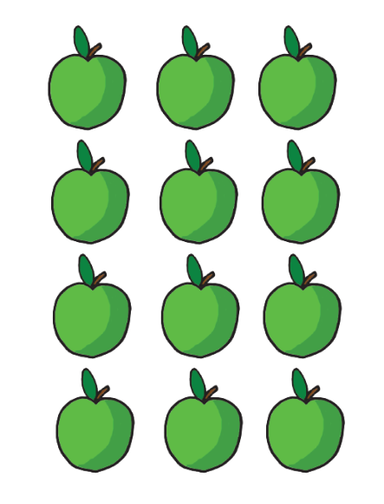
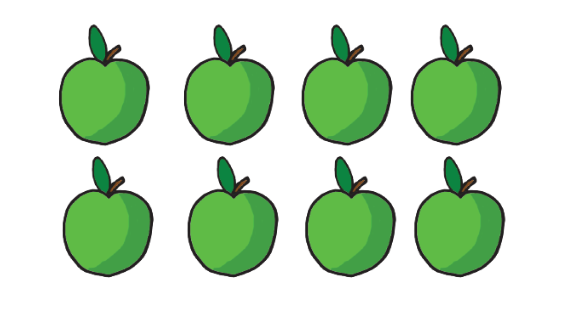
Q3.Tick the image that represents the whole collection.
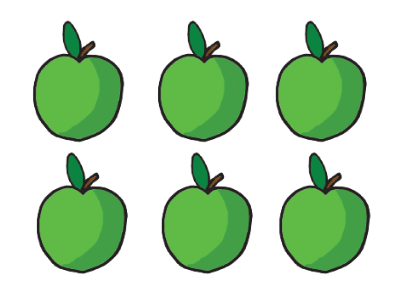
Sam says ‘This is two-quarters of the apples Mum bought on her shopping trip.’


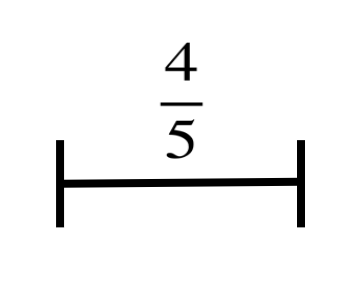
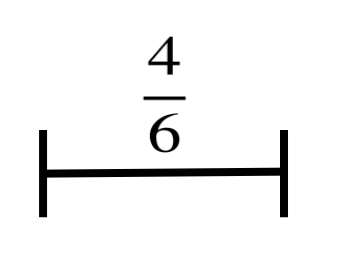
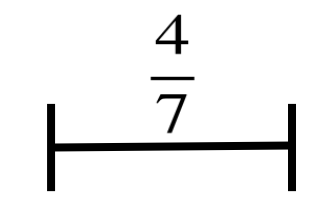
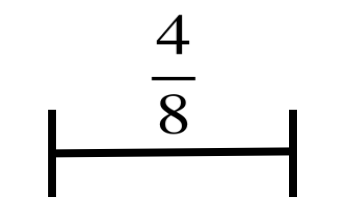
Q4.Which line would have the largest whole?