


Calculate missing dimensions in rectangles and compound rectilinear shapes


Lesson details
Learning outcome
I can calculate missing dimensions in rectangles and compound rectilinear shapes.
Key learning points
- Division is used to calculate a missing dimension when the area and the other dimension are known.
- Inverse operations are used to calculate missing dimensions when areas are known.
- Compare different methods to decompose shapes and decide which is the most efficient.
Keywords
Compound - A compound shape is made up of two or more shapes.
Dimension - A dimension is a measurement of length in one direction. Width and height are examples of the dimensions of 2D shapes.
Common misconception
Applying known facts and strategies to solve problems involving division. Being able to break down a problem into steps when it comes to compound shapes.
Provide opportunities to discuss approaches and highlight the efficient strategies and approaches. Acknowledge that there is more than one way to solve a problem whilst focusing on efficient and effective strategies.
Teacher tip
Make time to discuss problems with pupils and for pupils to talk to each other about the shapes. Draw attention to the strategies and approaches featured in the lesson. Model the thinking and steps needed when tackling missing dimensions in compound shapes so that pupils can apply it in their work.

Licence

Lesson video
Loading...
Prior knowledge starter quiz
6 Questions
Q1. x 7 = 56

Q2.96 = x 8
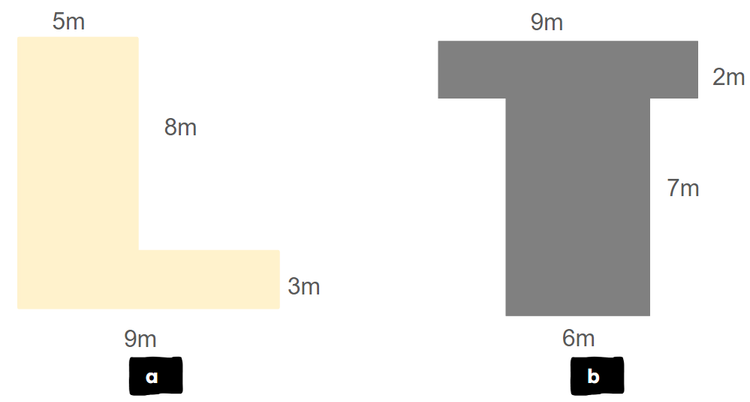
Q3.Which of these compound rectilinear shapes have a total area of 60 m²?
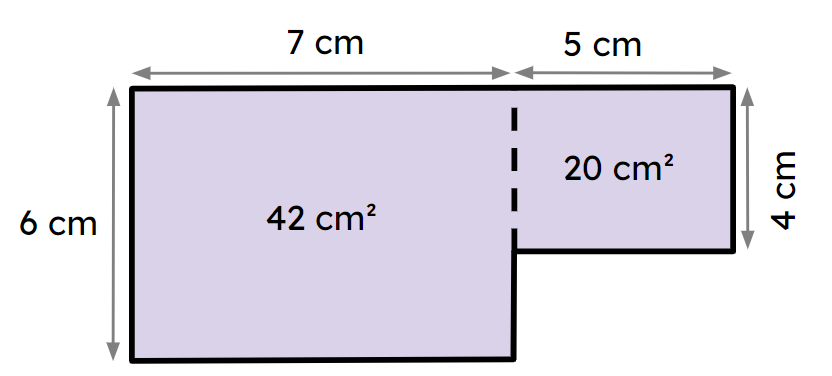
Q4.Which calculation would you use to calculate the area with the information you have been given?
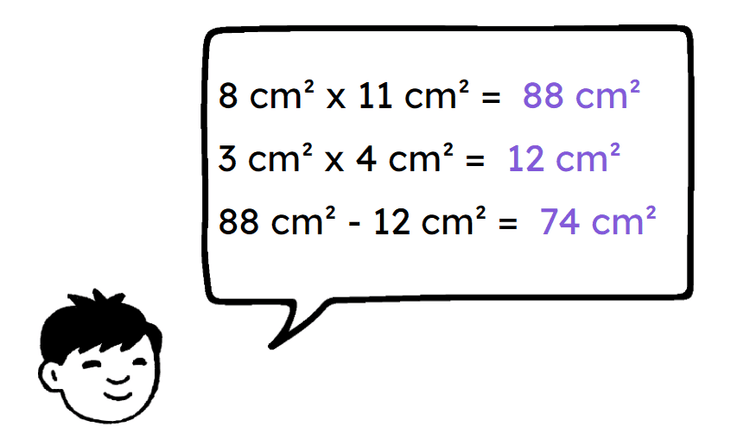
Q5.Jun worked out the area of a compound shape. Which of these shapes was he calculating the area of?
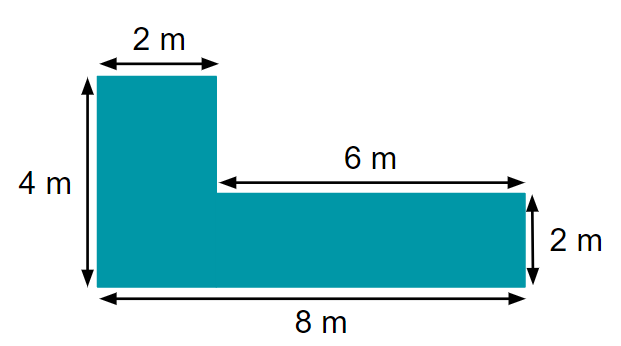
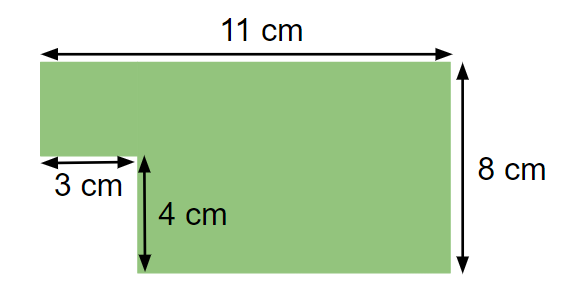
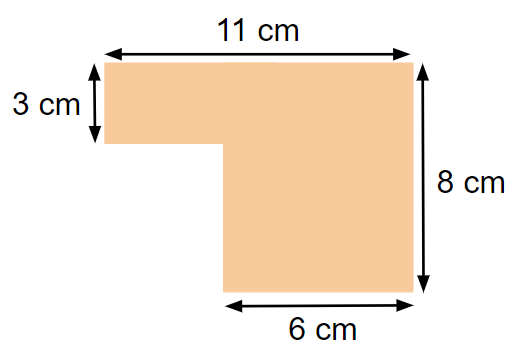
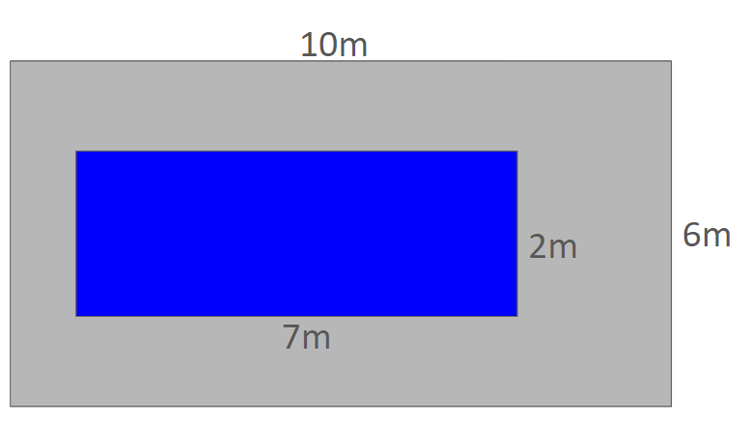
Q6.What is the area of the grey path around the pond?
Assessment exit quiz
6 Questions
Q1.What is the missing dimension
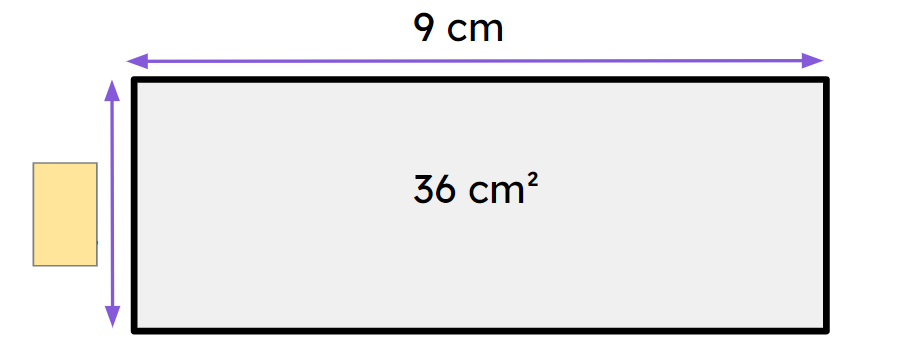
Q2.What is the missing dimension?
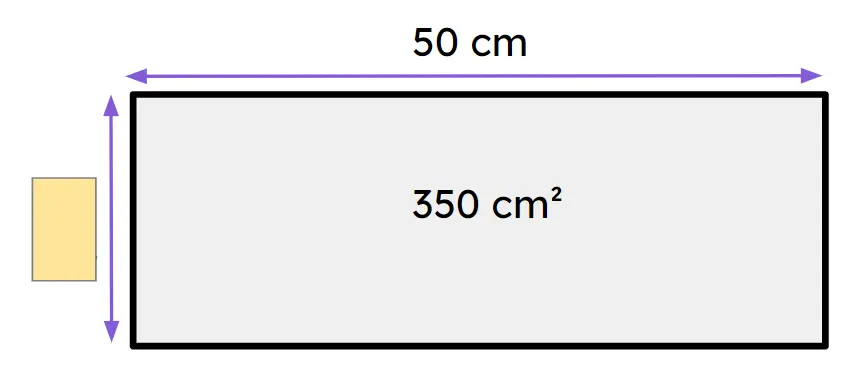
Q3.What is the missing dimension?
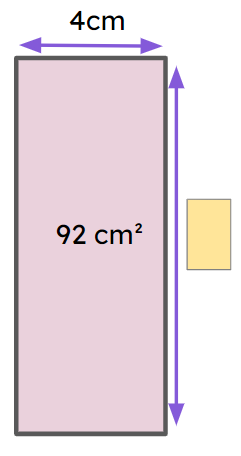
Q4.The area of this compound shape is 116 cm². What is the missing dimension?
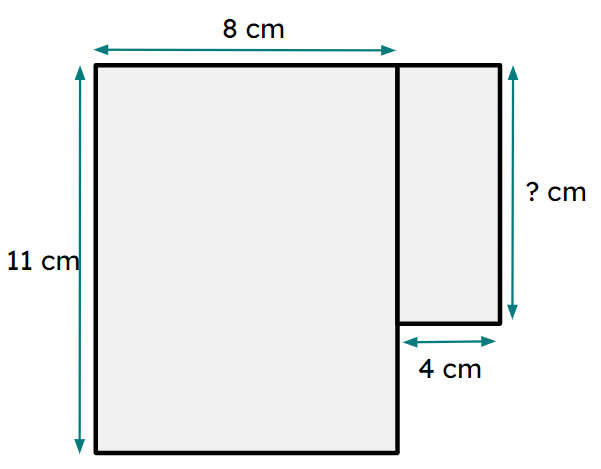
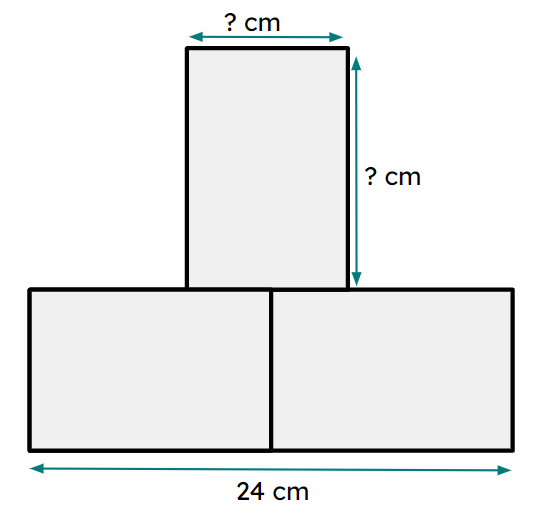
Q5.Here is a shape made from three identical rectangles. The area of the shape is 180 cm². What are the missing dimensions?
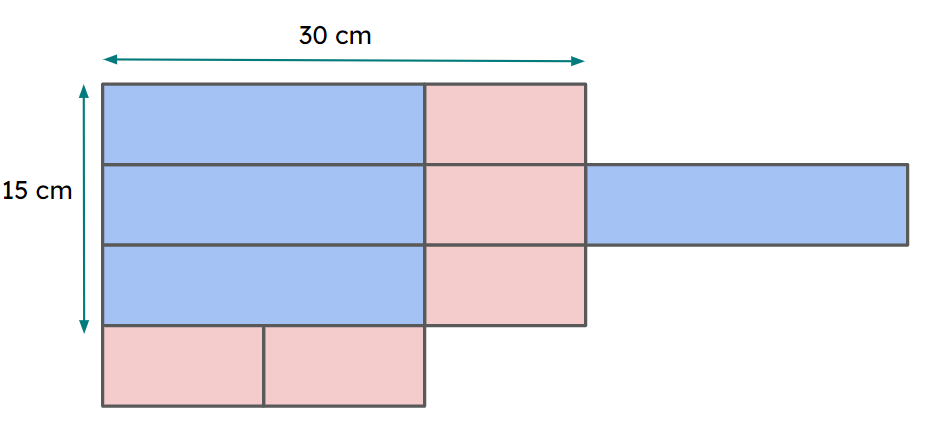
Q6.The larger blue rectangles are double the area of the smaller red rectangles. Calculate the area of a small red rectangle.
To help you plan your 5 maths lesson on: Calculate missing dimensions in rectangles and compound rectilinear shapes, download all teaching resources for free and adapt to suit your pupils' needs...
To help you plan your 5 maths lesson on: Calculate missing dimensions in rectangles and compound rectilinear shapes, download all teaching resources for free and adapt to suit your pupils' needs.
The starter quiz will activate and check your pupils' prior knowledge, with versions available both with and without answers in PDF format.
We use learning cycles to break down learning into key concepts or ideas linked to the learning outcome. Each learning cycle features explanations with checks for understanding and practice tasks with feedback. All of this is found in our slide decks, ready for you to download and edit. The practice tasks are also available as printable worksheets and some lessons have additional materials with extra material you might need for teaching the lesson.
The assessment exit quiz will test your pupils' understanding of the key learning points.
Our video is a tool for planning, showing how other teachers might teach the lesson, offering helpful tips, modelled explanations and inspiration for your own delivery in the classroom. Plus, you can set it as homework or revision for pupils and keep their learning on track by sharing an online pupil version of this lesson.
Explore more key stage 2 maths lessons from the Link area of rectangles to multiplication unit, dive into the full primary maths curriculum, or learn more about lesson planning.