


Pollinators (non-statutory Climate Change & Sustainability)


Lesson details
Learning outcome
I can explain how plants are pollinated by animals and describe the common features of pollinators.
Key learning points
- Pollination is the transfer of pollen from the anther of one flower to the stigma of another flower of the same species.
- A pollinator is an animal involved in the pollination of plants.
- Pollination is mostly done by insects, although some birds, bats and other small mammals can be pollinators.
- Features such as wings, hairy bodies and long noses mean pollinators can move around flowers, taking pollen with them.
Keywords
Pollination - Pollination is the transfer of pollen from the anther of one flower to the stigma of another flower of the same species.
Pollen - Pollen is a very fine powder made by the anthers of a flower. It is needed to make a seed.
Anther - An anther is a male part of a flower that produces pollen.
Stigma - The stigma is a sticky part at the top of the female parts of a flower.
Pollinator - A pollinator is an animal which pollinates a flowering plant.
Common misconception
Pupils may think that animals are pollinating flowers to intentionally help them.
Explain that pollinators are visiting flowers to find food for themselves, rather than to help the plant; they do not pollinate flowers on purpose.
Teacher tip
Enhance Task B by giving pupils the opportunity to make and try out Sam’s pollination model themselves so they can observe first-hand how pollen is moved from place to place by animals. This lesson contains a diagnostic question on slide 15 - see additional materials for further guidance.

Equipment
If wanting pupils to make their own models, each small group needs 1 cupcake case, 2-3 sweets per 'flower', 5-6 cheese puff crisps, kitchen roll. Check for food allergies.

Licence

Lesson video
Loading...
Prior knowledge starter quiz
6 Questions
Q1.Which of these living things is not an animal?
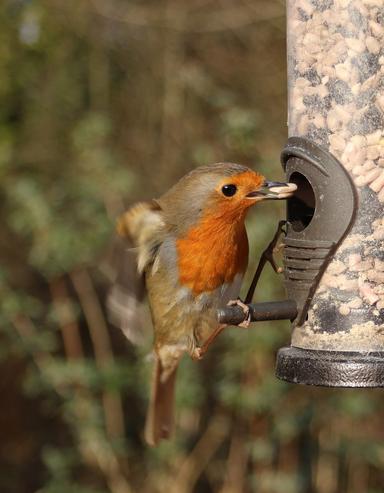
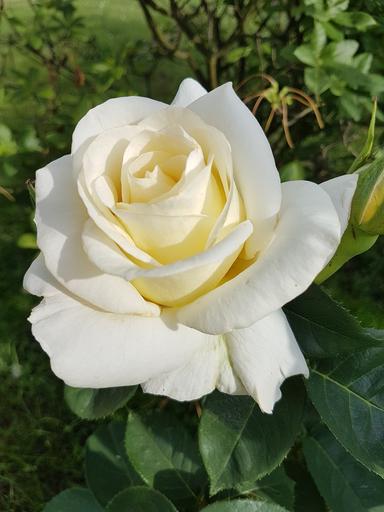
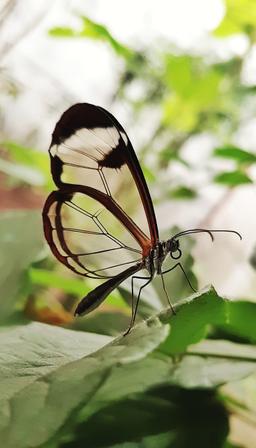
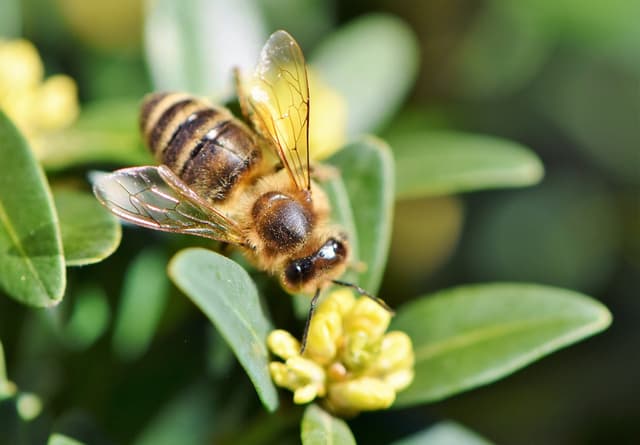
Q2.Which of these pictures shows a flower?

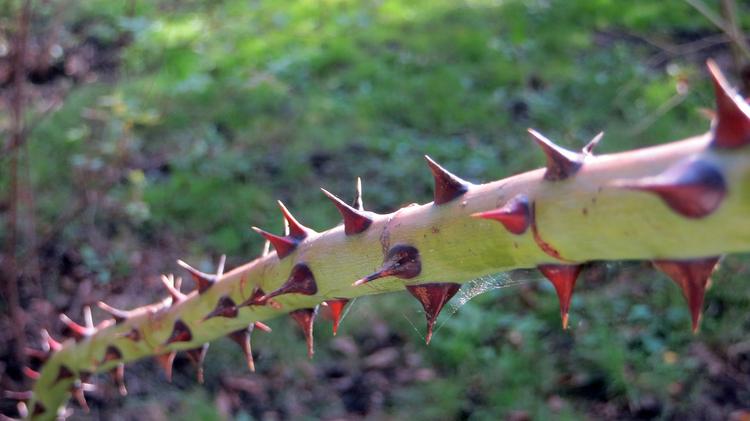
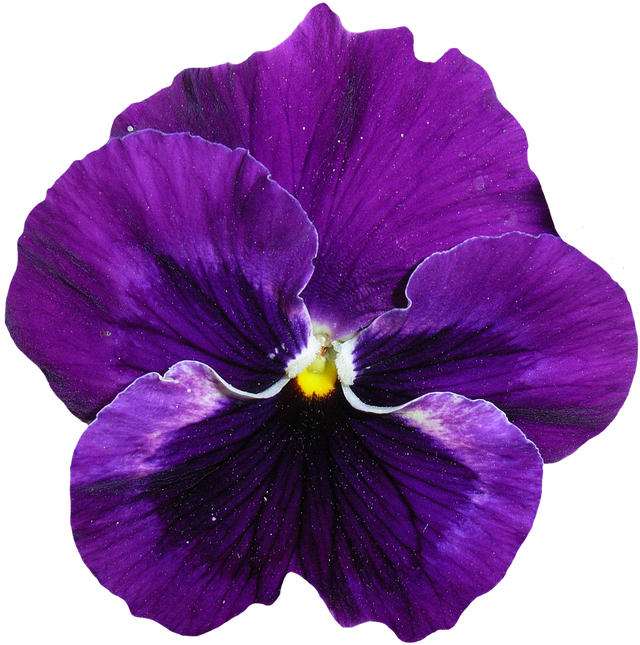
Q3.Match the part of the plant to its function.

Q4.What is pollen?
Q5.Match the part of the flower to its name.
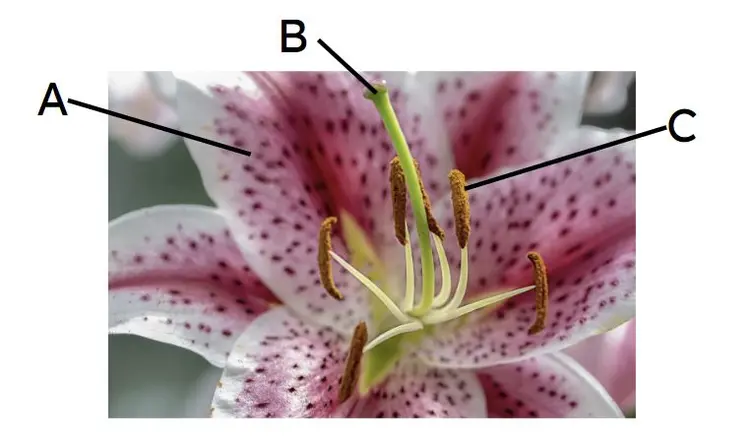
Q6.What is the name of the female part of the flower that catches pollen and is often sticky?
Assessment exit quiz
6 Questions
Q1.Pollination is when pollen from an anther (male part) lands on a (female part).
Q2.What is a pollinator?
Q3.Which features are often found on animals that are pollinators?
Q4.Which of these animals is not a common pollinator?
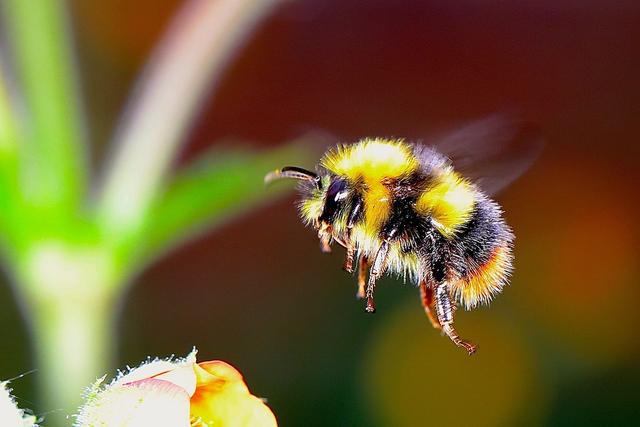
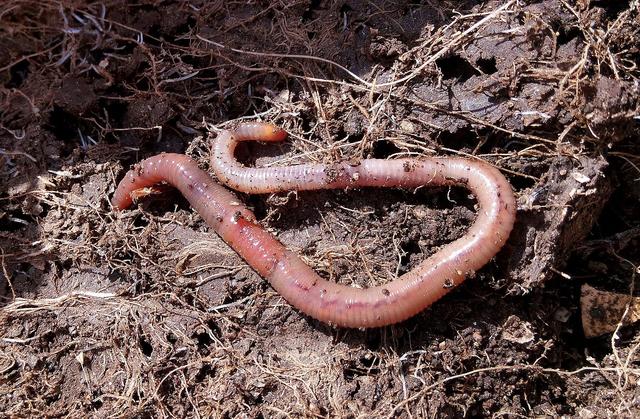
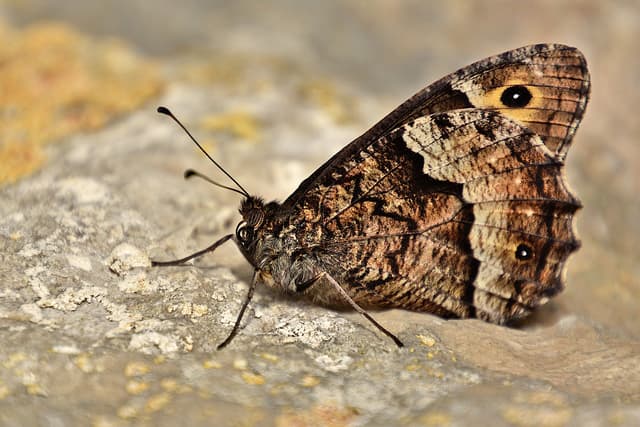
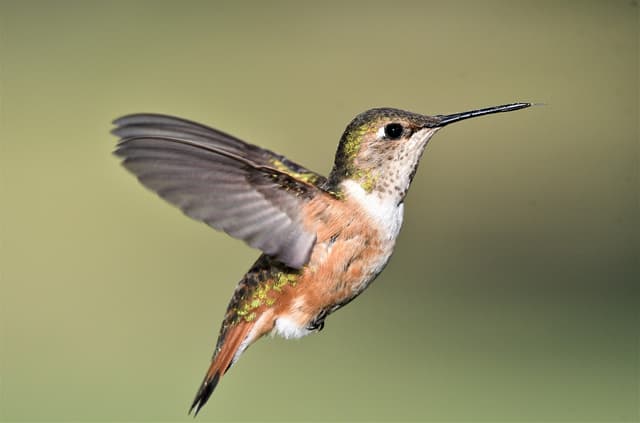
Q5.How has this bee become covered in pollen?
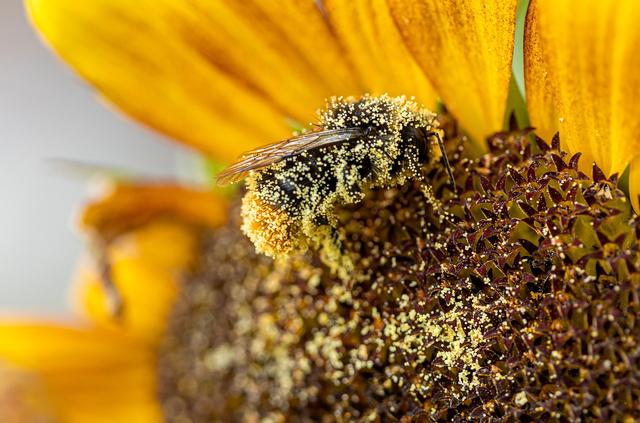
Q6.Why do pollinators visit flowers?
To help you plan your 5 science lesson on: Pollinators (non-statutory Climate Change & Sustainability), download all teaching resources for free and adapt to suit your pupils' needs...
To help you plan your 5 science lesson on: Pollinators (non-statutory Climate Change & Sustainability), download all teaching resources for free and adapt to suit your pupils' needs.
The starter quiz will activate and check your pupils' prior knowledge, with versions available both with and without answers in PDF format.
We use learning cycles to break down learning into key concepts or ideas linked to the learning outcome. Each learning cycle features explanations with checks for understanding and practice tasks with feedback. All of this is found in our slide decks, ready for you to download and edit. The practice tasks are also available as printable worksheets and some lessons have additional materials with extra material you might need for teaching the lesson.
The assessment exit quiz will test your pupils' understanding of the key learning points.
Our video is a tool for planning, showing how other teachers might teach the lesson, offering helpful tips, modelled explanations and inspiration for your own delivery in the classroom. Plus, you can set it as homework or revision for pupils and keep their learning on track by sharing an online pupil version of this lesson.
Explore more key stage 2 science lessons from the Reproduction and life cycles: plants unit, dive into the full primary science curriculum, or learn more about lesson planning.