


Micro-organisms are living things


Lesson details
Learning outcome
I can describe what micro-organisms are, and know that they are living things.
Key learning points
- Micro-organisms are tiny living things that are too small to be seen with the naked eye.
- Micro-organisms are commonly known as germs, bugs or microbes.
- Micro-organisms can be viewed using a microscope.
- Micro-organisms are found everywhere, in soil, air, water, on your skin and in your digestive system.
Keywords
Living thing - Something that is living is alive. It can grow, reproduce, move, feed and get rid of waste material.
Organism - An organism is a living thing.
Micro-organism - A micro-organism is a very tiny living thing.
Microbe - Microbe is another name for a micro-organism.
Microscope - A microscope is a piece of equipment that magnifies very tiny objects.
Common misconception
Pupils may think that micro-organisms are very tiny animals or that they are not living things. Pupils may think that all micro-organisms are harmful germs.
Explain that micro-organisms are living things as they carry out the same processes as other living things, but they aren't animals because they have a simpler structure than animals. Explain that some helpful micro-organisms live inside our bodies.
Teacher tip
When choosing locations for pupils to observe for Task B, try to choose contrasting environments. Classrooms, the lunch hall, the playground or school field are all good options.

Equipment
Clipboards (optional)

Licence

Lesson video
Loading...
Prior knowledge starter quiz
6 Questions
Q1.What do we mean when we say we cannot see something with the naked eye?
Q2.What does the prefix ‘micro’ mean?
Q3.All living things can , which means get bigger.
Q4.Match the living thing to the correct group.

Q5.Which of these characteristics do all living things have?
Q6.What is the structure of something?
Assessment exit quiz
6 Questions
Q1.Germs, bugs and microbes are all words for .
Q2.Which of these living things are micro-organisms?
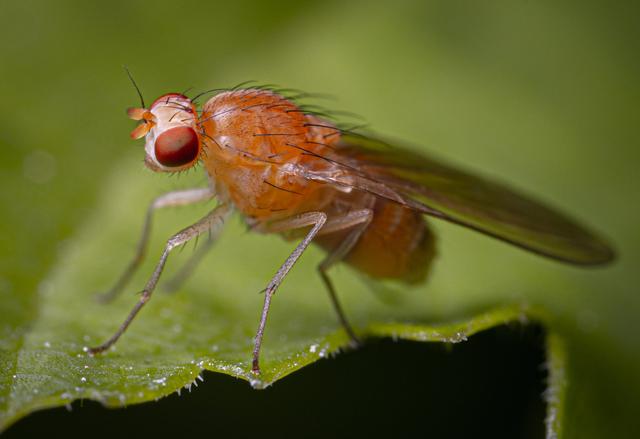
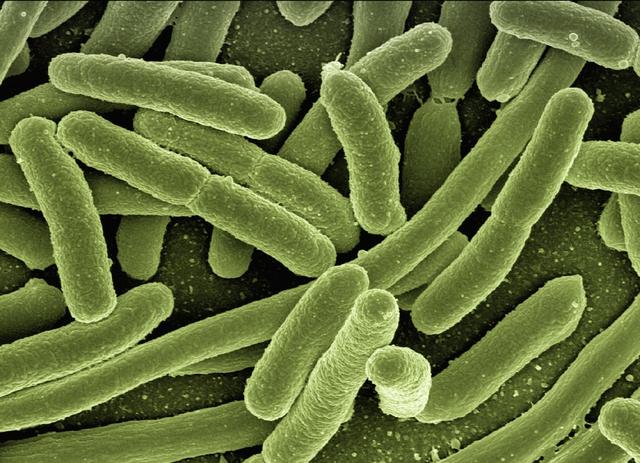

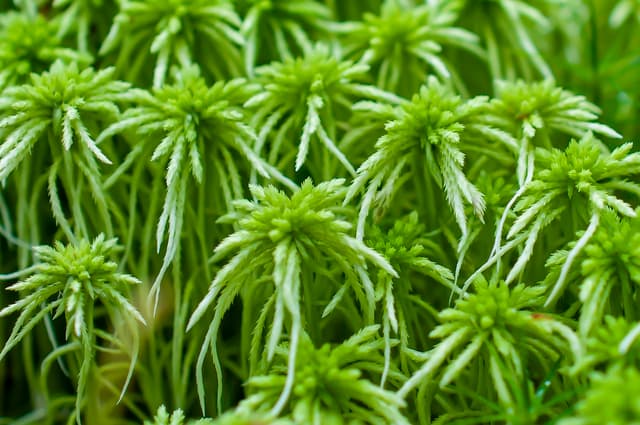
Q3.Which piece of equipment would we use for looking at micro-organisms?
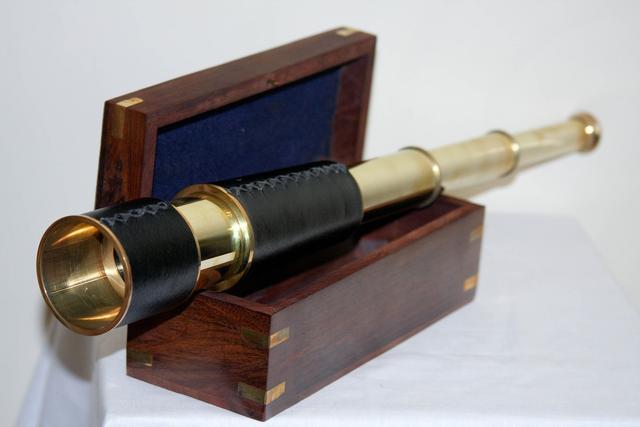
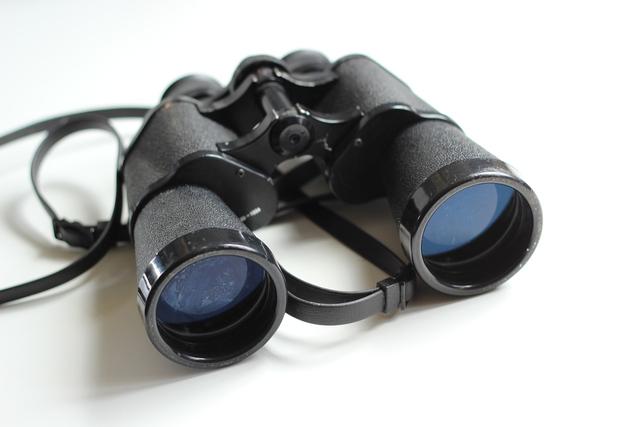

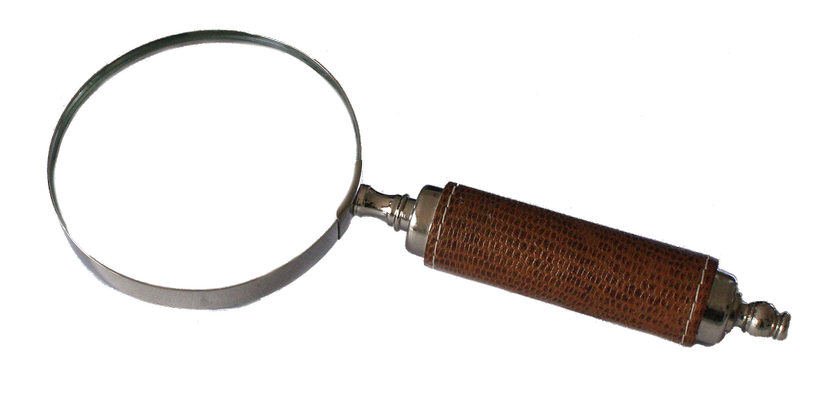
Q4.Where can micro-organisms be found?
Q5.Which of these statements about micro-organisms is incorrect?
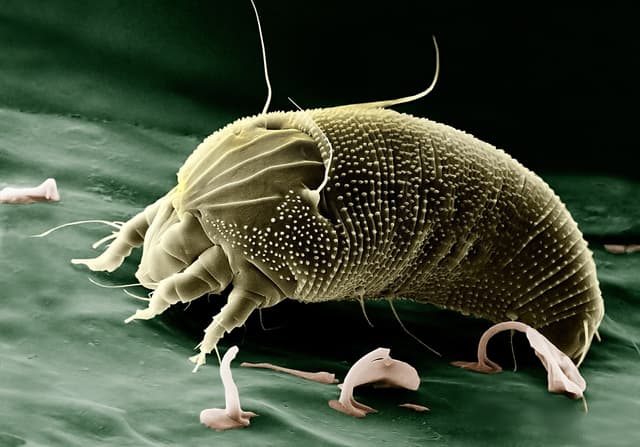
Q6.This is a very tiny living thing called an Aceria anthocoptes. It has a body divided into two sections and eight legs. It lives on plants. How can we tell it is an animal, not a micro-organism?
To help you plan your 6 science lesson on: Micro-organisms are living things, download all teaching resources for free and adapt to suit your pupils' needs...
To help you plan your 6 science lesson on: Micro-organisms are living things, download all teaching resources for free and adapt to suit your pupils' needs.
The starter quiz will activate and check your pupils' prior knowledge, with versions available both with and without answers in PDF format.
We use learning cycles to break down learning into key concepts or ideas linked to the learning outcome. Each learning cycle features explanations with checks for understanding and practice tasks with feedback. All of this is found in our slide decks, ready for you to download and edit. The practice tasks are also available as printable worksheets and some lessons have additional materials with extra material you might need for teaching the lesson.
The assessment exit quiz will test your pupils' understanding of the key learning points.
Our video is a tool for planning, showing how other teachers might teach the lesson, offering helpful tips, modelled explanations and inspiration for your own delivery in the classroom. Plus, you can set it as homework or revision for pupils and keep their learning on track by sharing an online pupil version of this lesson.
Explore more key stage 2 science lessons from the Why we group and classify living things unit, dive into the full primary science curriculum, or learn more about lesson planning.