- Year 8
Cardboard modelling techniques
I can use cardboard modelling to develop ideas.
Lesson details
Key learning points
- Cardboard is a thick, strong paper material made from layers of wood pulp.
- Cardboard used for packaging, crafts, and creating prototypes as it is strong, ridgid, light, and easy to cut or fold.
- Corrugated cardboard is used for prototyping due to its structural integrity, strength and versatility.
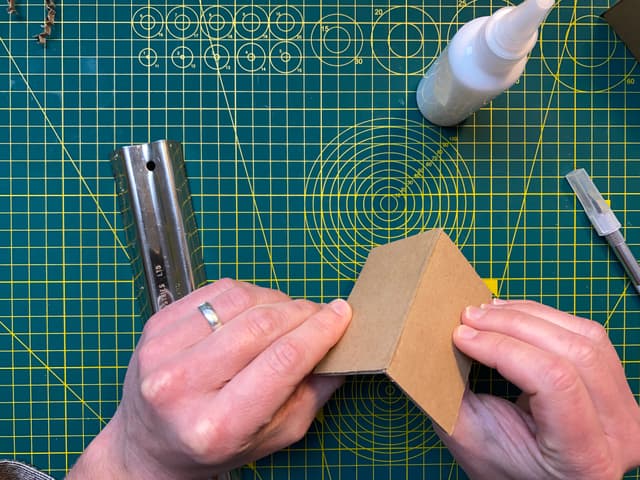
- Cardboard can be layered, slotted, folded, scored, and joined to build strong 3D models.
- When modelling with cardboard, adhesives need to be used.
Keywords
Prototype - a simple, low-cost model made to check size, shape, and function
Corrugated cardboard - cardboard with a fluted layer to increase strength and rigidity
Fluting - the wavy layer in corrugated cardboard
Adhesive - a substance used to bond materials through a chemical reaction
Common misconception
Cardboard is a weak material that is not suitable for modeling.
Cardboard has a fluted layer that increases its strength and rigidity. Modelling techniques, such as layering, can be used to increase its strength further, making it a versatile and very good material to model with.
To help you plan your year 8 design and technology lesson on: Cardboard modelling techniques, download all teaching resources for free and adapt to suit your pupils' needs...
To help you plan your year 8 design and technology lesson on: Cardboard modelling techniques, download all teaching resources for free and adapt to suit your pupils' needs.
The starter quiz will activate and check your pupils' prior knowledge, with versions available both with and without answers in PDF format.
We use learning cycles to break down learning into key concepts or ideas linked to the learning outcome. Each learning cycle features explanations with checks for understanding and practice tasks with feedback. All of this is found in our slide decks, ready for you to download and edit. The practice tasks are also available as printable worksheets and some lessons have additional materials with extra material you might need for teaching the lesson.
The assessment exit quiz will test your pupils' understanding of the key learning points.
Our video is a tool for planning, showing how other teachers might teach the lesson, offering helpful tips, modelled explanations and inspiration for your own delivery in the classroom. Plus, you can set it as homework or revision for pupils and keep their learning on track by sharing an online pupil version of this lesson.
Explore more key stage 3 design and technology lessons from the Ergonomic design: accessible controllers unit, dive into the full secondary design and technology curriculum, or learn more about lesson planning.


Equipment
Craft knives, scissors, cutting mats, metal rulers, adhesives, cardboard.

Content guidance
- Risk assessment required - equipment

Supervision
Adult supervision required

Licence
Lesson video
Loading...
Prior knowledge starter quiz
6 Questions
Q1.Match the prototype materials to the justification for use.

lightweight, easy to cut and inexpensive
good for drawing and inexpensive
easy to shape and create 3D objects quickly
create small models quickly, the blocks can be reused
free materials, come in a variety of shapes and sizes
Q2.What are the benefits of making a prototype?
Q3.Styrofoam is a type of ...
Q4.Why is modelling foam suitable for prototyping?
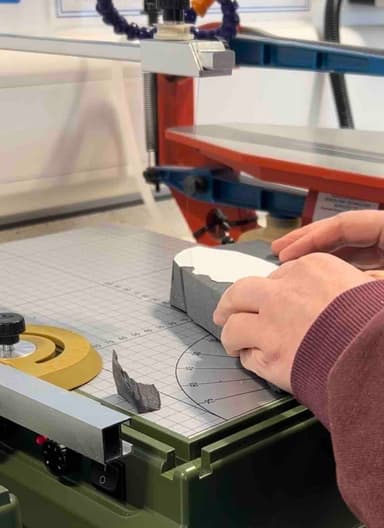
Q5.What piece of equipment is this image showing?
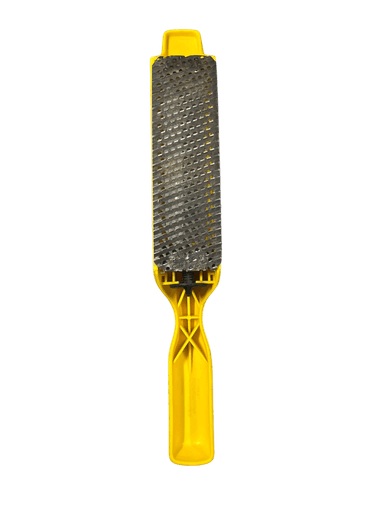
Q6.What tool is this image showing?
Assessment exit quiz
4 Questions
Q1.Put these stages of creating a straight join between two pieces of corrugated cardboard in order.
Q2.Which stage of creating a straight join between two pieces of corrugated cardboard is this image showing?