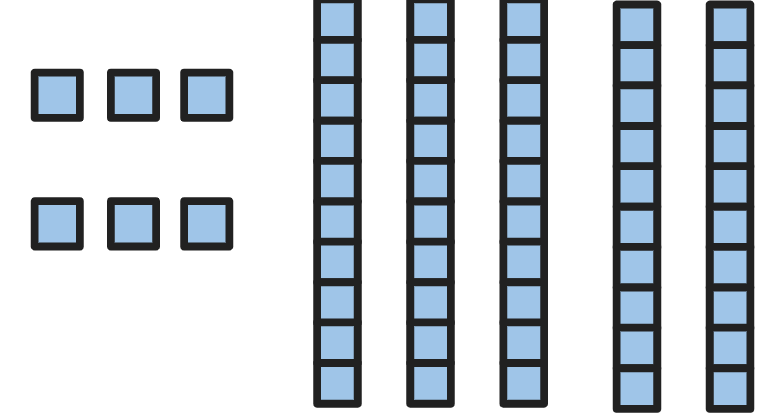
Count a large group of objects by counting tens and ones
I can count larger groups of objects efficiently using tens and ones to help me.


- Year 2
Count a large group of objects by counting tens and ones
I can count larger groups of objects efficiently using tens and ones to help me.
Lesson details
Key learning points
- One item can be used to represent several other items. This is called unitising.
- The order in which tens and ones are arranged does not affect the value of the number.
- We can use a one hundred square to help find the value of two-digit numbers more efficiently.
Keywords
Unitising - Unitising means treating groups that contain, or represent, the same number of things as ‘ones’ or ‘units’. It is important in understanding place value and supports us to think multiplicatively.
Common misconception
Children may continue counting in tens when they reach the ones, e.g. count 2 tens and 3 ones completely in tens. They may think arrangement of tens and ones affects how to count them.
Make deliberate errors to prompt discussion and refer back to previous stem sentences, e.g. 'The objects are in ones, so I can count them in ones.' Present tens and ones in non-standard arrangements, so children practise always counting tens first.
To help you plan your year 2 maths lesson on: Count a large group of objects by counting tens and ones, download all teaching resources for free and adapt to suit your pupils' needs...
To help you plan your year 2 maths lesson on: Count a large group of objects by counting tens and ones, download all teaching resources for free and adapt to suit your pupils' needs.
The starter quiz will activate and check your pupils' prior knowledge, with versions available both with and without answers in PDF format.
We use learning cycles to break down learning into key concepts or ideas linked to the learning outcome. Each learning cycle features explanations with checks for understanding and practice tasks with feedback. All of this is found in our slide decks, ready for you to download and edit. The practice tasks are also available as printable worksheets and some lessons have additional materials with extra material you might need for teaching the lesson.
The assessment exit quiz will test your pupils' understanding of the key learning points.
Our video is a tool for planning, showing how other teachers might teach the lesson, offering helpful tips, modelled explanations and inspiration for your own delivery in the classroom. Plus, you can set it as homework or revision for pupils and keep their learning on track by sharing an online pupil version of this lesson.
Explore more key stage 1 maths lessons from the Counting and representing the numbers 20 to 99 unit, dive into the full primary maths curriculum, or learn more about lesson planning.


Licence
Lesson video
Loading...
Prior knowledge starter quiz
6 Questions
Q1.Which of the following describes the picture?
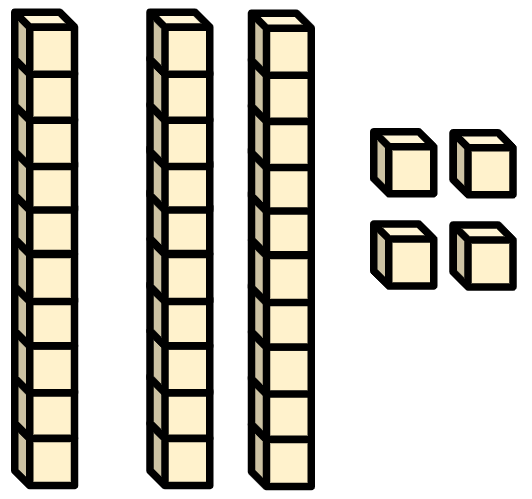
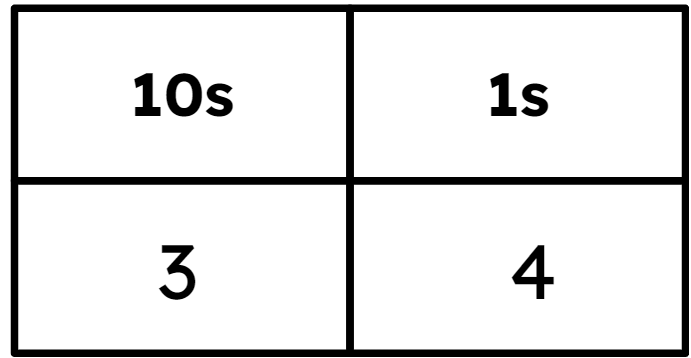
Q2.Laura has put her cubes into groups of ten and has some more ones left over. Which place value chart represents her cubes?
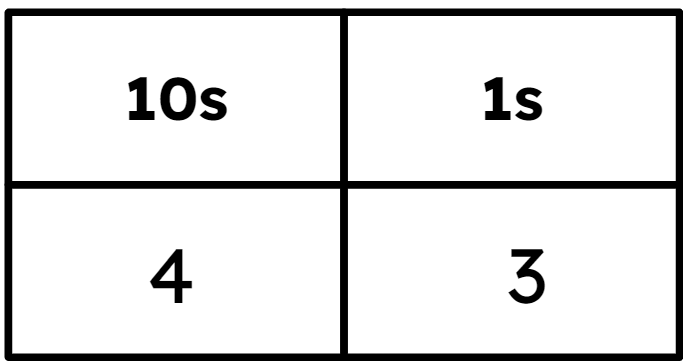
Q3.How would you write the number eighty-nine in digits?
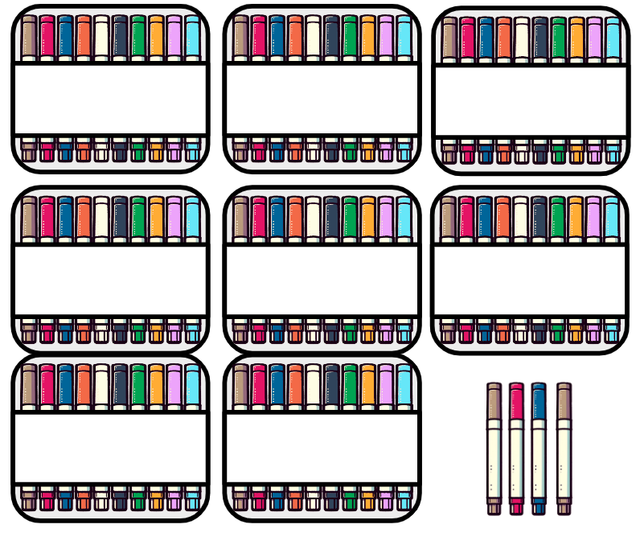
Q4.Andeep has 54 straws. He puts them into groups of ten and there are some more ones left over. Which of the following could describe his group?
Q5.Match the numbers that have the same value.

7 groups of ten and 3 more ones
9 groups of ten and 4 more ones
3 groups of ten and 7 more ones
4 groups of ten and 9 more ones
Q6.Andeep counts his pencils in ones. He has 37 pencils. If he puts them into groups of ten, how many extra ones will he have left over.
Assessment exit quiz
6 Questions
Q1.Which of the following are true?
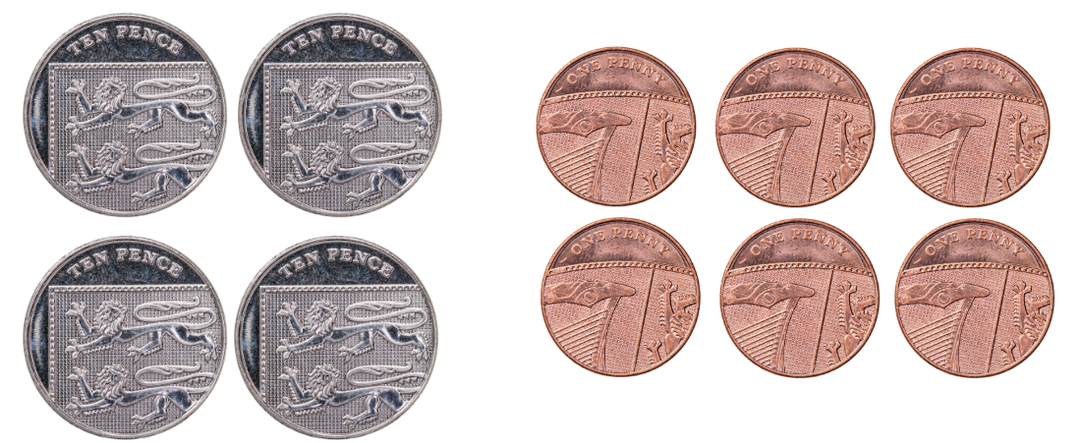
Q2.Which place value chart matches the one hundred square?
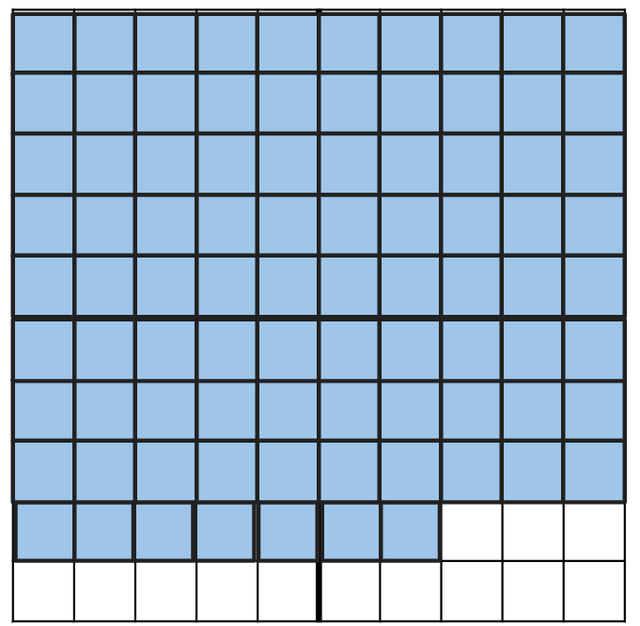
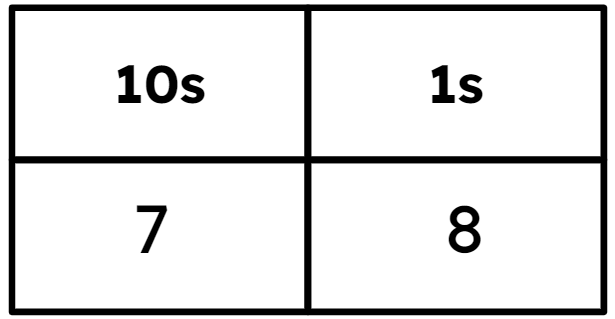
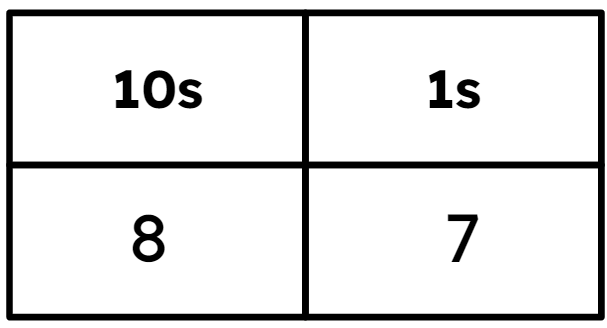
Q3.Which of the following represents the same value as the one hundred square?
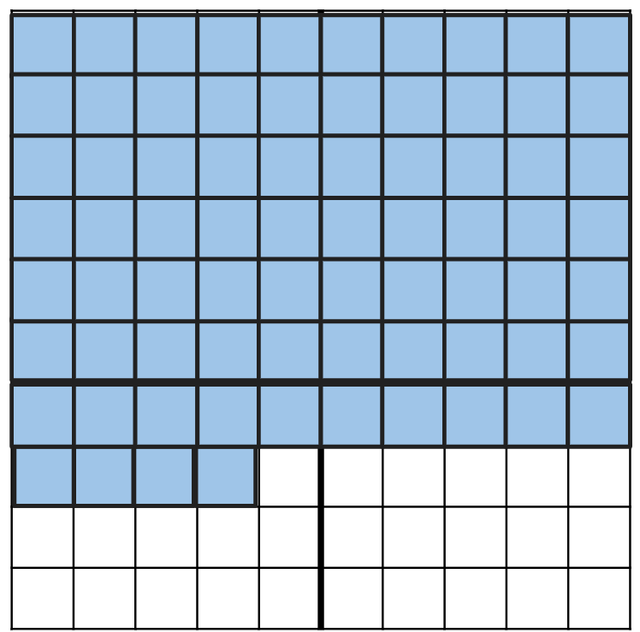
Q4.Which of the following images represents the same value as the one hundred square?
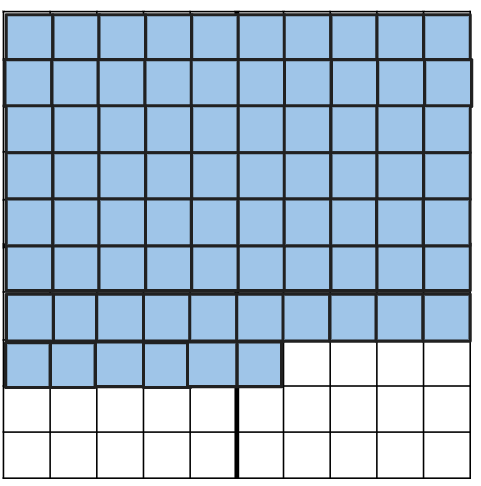



Q5.Which of the following is true?