


Solve comparison and change problems using multiplication


Lesson details
Learning outcome
I can solve comparison and change problems using multiplication.
Key learning points
- A change in length can be described using multiplication.
- The stem sentence, 'The ___ is ___ times the length of the ___' can be used to compare lengths.
- Comparison and change problems can be represented visually to support solving them.
Keywords
Comparison - When a comparison is made, we are determining how different two objects are. In this case, how many times longer, taller or deeper an object is than another.
Change - A comparison can also be made between an object at the start of, and then after, a change. Examples of change include a change in height of a flower due to growth.
Common misconception
Children may say, 'Tens times taller', which is imprecise.
We say, 'Ten times the original height' because this is more precise and can be used when the scale factor is fractional.
Teacher tip
Offer children practical examples where possible. It is important that children are fluent with their times table facts to avoid overload.

Licence

Lesson video
Loading...
Prior knowledge starter quiz
6 Questions
Q1.15 multiplied by 5 is equal to

Q2.40 × 3 =
Q3.Which sentences describe this image?
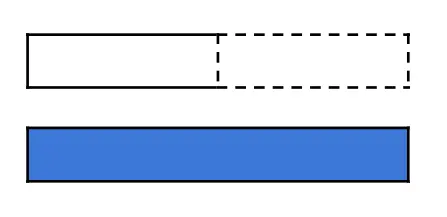
Q4.The white ribbon is 18 cm long. How long is the blue ribbon? The blue ribbon is cm long
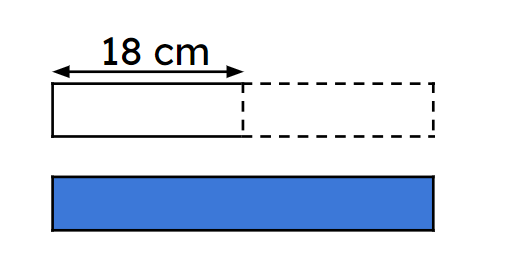
Q5.The red ribbon is 11 cm long. Which calculation would you need to do to calculate the length of the white ribbon?
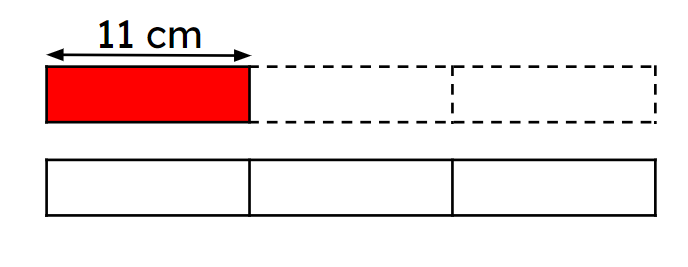
Q6.True or false: If the white ribbon is is less than 50 cm long, the blue ribbon will be less than 1 m long.
Assessment exit quiz
6 Questions
Q1.A 25 cm piece of elastic is stretched to twice its length. Which image represents the problem?
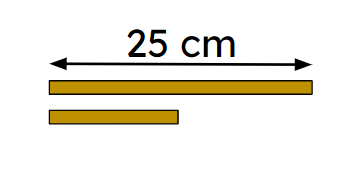
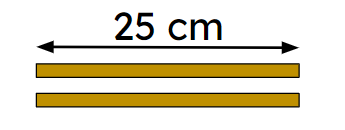
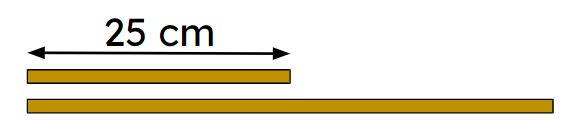
Q2.How long is the elastic now that it has been stretched to twice its original length of 25 cm? The elastic is now cm long.
Q3.A dog is three times the height of a cat. Which bar model represents this?
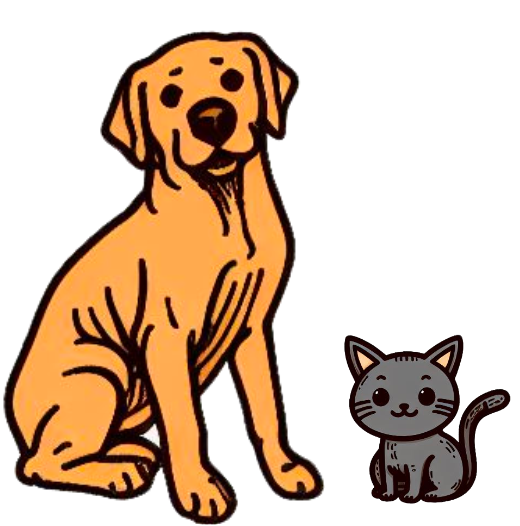
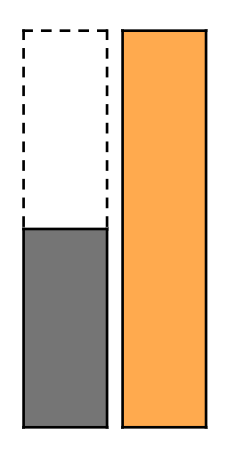
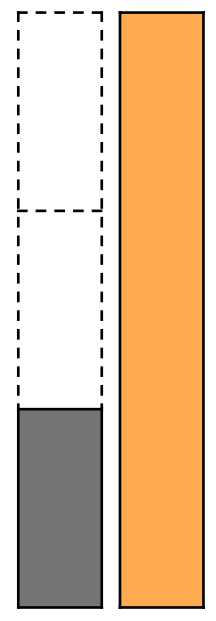
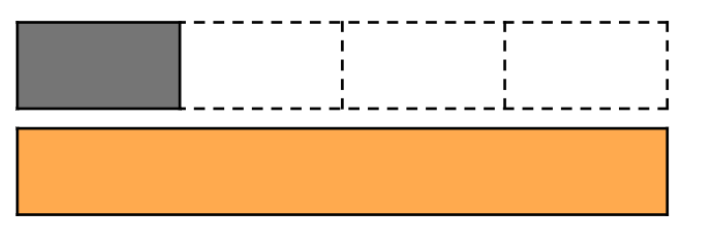
Q4.The cat is 30 cm tall. The dog is three times as tall. The dog is cm tall.
Q5.Which expression represents the 30 cm tall cat and the dog three times the height?
Q6.Which statement describes this equation: 7 × 8 = 56
To help you plan your 5 maths lesson on: Solve comparison and change problems using multiplication, download all teaching resources for free and adapt to suit your pupils' needs...
To help you plan your 5 maths lesson on: Solve comparison and change problems using multiplication, download all teaching resources for free and adapt to suit your pupils' needs.
The starter quiz will activate and check your pupils' prior knowledge, with versions available both with and without answers in PDF format.
We use learning cycles to break down learning into key concepts or ideas linked to the learning outcome. Each learning cycle features explanations with checks for understanding and practice tasks with feedback. All of this is found in our slide decks, ready for you to download and edit. The practice tasks are also available as printable worksheets and some lessons have additional materials with extra material you might need for teaching the lesson.
The assessment exit quiz will test your pupils' understanding of the key learning points.
Our video is a tool for planning, showing how other teachers might teach the lesson, offering helpful tips, modelled explanations and inspiration for your own delivery in the classroom. Plus, you can set it as homework or revision for pupils and keep their learning on track by sharing an online pupil version of this lesson.
Explore more key stage 2 maths lessons from the Compare and describe measurements using knowledge of multiplication and division unit, dive into the full primary maths curriculum, or learn more about lesson planning.