



Categories

Lesson planning
24 June 2026Supporting pupils to thrive in a digital world with Oak’s new digital literacy lessons

Stuart Davison
Computing Subject Lead
Technology shapes how pupils learn, communicate and engage with the world around them. As digital experiences become increasingly integrated into everyday life, helping pupils develop the knowledge, skills and judgement to navigate them confidently is vital.
That’s why, working with subject experts at the Raspberry Pi Foundation, we’ve developed a new sequence of digital literacy lesson resources for years 1-9.
Designed to complement our computing curriculum, these stand-alone units give you flexible ways to strengthen your pupils’ digital literacy while supporting the broader aims of your curriculum.
Explore the units:
A practical way to deepen digital literacy
Digital literacy is about much more than learning how to use technology. It’s about helping pupils use digital tools to express themselves, develop ideas, solve problems and participate safely and responsibly in a digital world.
The new units sit alongside our main computing curriculum sequence and can be used in different ways, depending on your pupils' needs. You might use them to deepen learning already taking place in computing, or as an alternative to an existing unit where a greater focus on digital literacy would be beneficial.
Each unit contains six one-hour lessons and has been designed to give you a strong starting point that you may wish to adapt to your own context.
Built around real-world digital experiences
Pupils encounter digital technology every day, both in and out of the classroom. The new units reflect this reality through age-appropriate contexts that feel relevant and authentic.
Rather than focusing on isolated technical procedures, the lesson resources help your pupils to develop transferable knowledge, skills and attitudes that can be applied across different situations. This means supporting them to make informed decisions, think critically and adapt as technology continues to change.
The aim is not simply to teach pupils how to use digital tools today, but to help them develop the confidence and judgement they’ll need in the future.
Digital wellbeing and healthy online habits
As pupils become more curious about digital spaces, year 5 is an important opportunity to explore digital wellbeing in an age-appropriate way. The year 5 unit Digital wellbeing: Stay connected, happy and well online introduces topics such as online relationships, media influence and personalised recommendations, helping pupils understand how digital experiences can shape their thoughts, feelings and behaviours. Through these real-world contexts, pupils learn to recognise both the opportunities and challenges of digital technology and make informed choices about how they engage online.
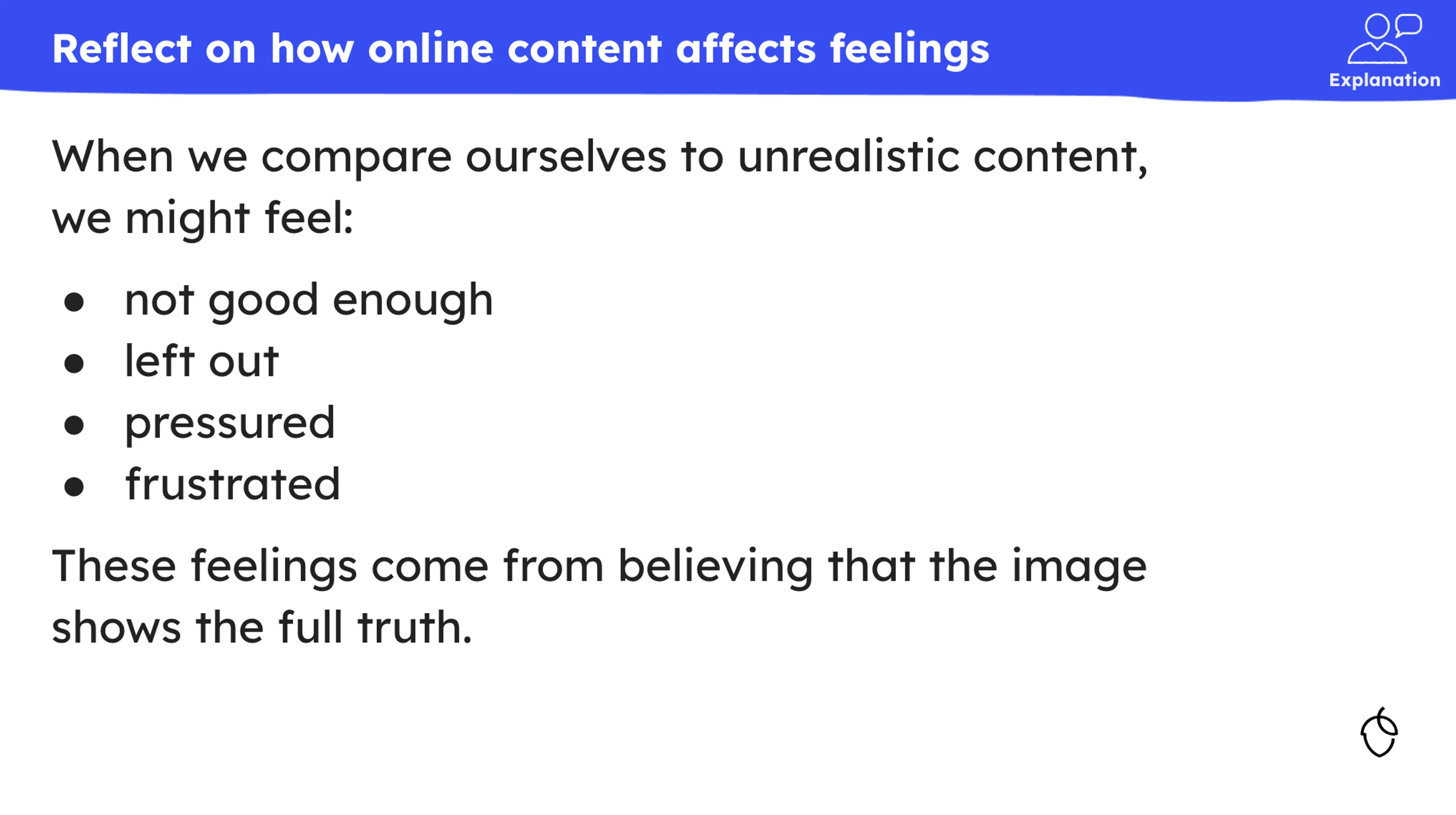
Image: Slide from the year 5 lesson Online media and reality.
As pupils get older, the lessons encourage deeper reflection on their own digital habits. For example, in the year 5 lesson ‘Screen time and healthy habits’, pupils explore the difference between purposeful screen time, such as watching a tutorial to learn a new skill, and passive screen time, where content continues automatically without a clear goal or limit. By examining the impact excessive screen time can have on wellbeing, pupils develop a more balanced understanding of their digital lives and consider practical strategies for managing their technology use.
Helping your pupils think critically about digital environments
One of the most important challenges pupils face is understanding the information they encounter through digital tools and environments, including online sources and AI systems.
Across the units, your pupils will explore how information is selected, structured and presented in digital contexts. In an increasingly AI-driven world, they will learn to evaluate credibility, reliability and bias, and consider how algorithms and commercial interests can influence what they see, generate and trust.
The year 9 unit School blog: digital inclusion builds on data, AI and digital design learning to explore inclusion and accessibility, by creating an accessible blog, investigating unequal access to devices, internet and digital skills using data and case studies.
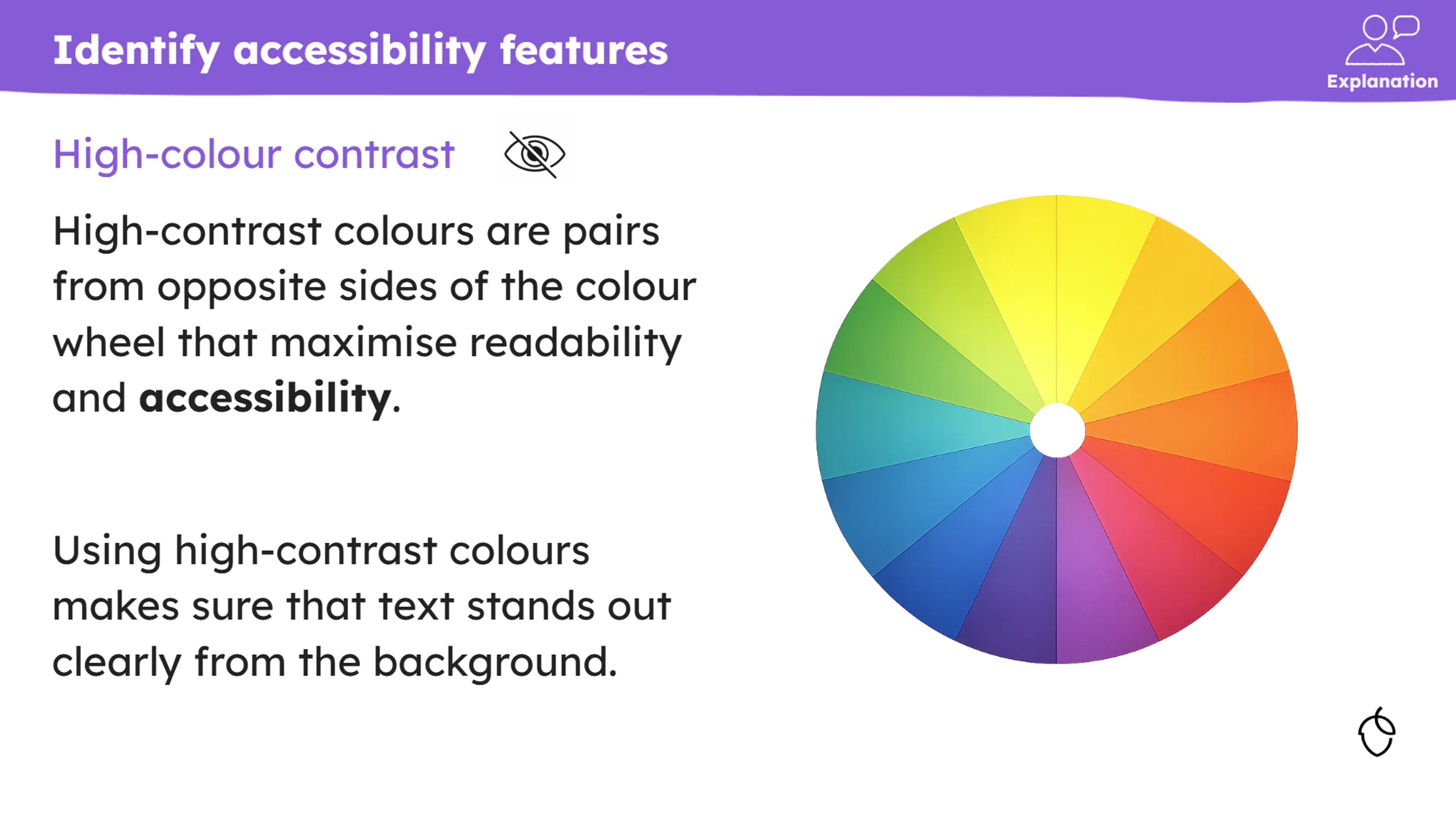
Image: Slide from the year 9 lesson Digital accessibility and inclusive design.
For teachers, this provides valuable opportunities to support pupils in developing critical thinking skills that extend well beyond computing lessons and into everyday life.
Supporting safe and responsible participation
Digital literacy also means helping pupils participate safely and responsibly in digital spaces.
These lesson resources help you explore how digital identity, personal data and privacy are managed within digital systems. Your pupils will consider how to communicate appropriately across different platforms and audiences, while developing informed judgement about digital risks and responsible behaviour.
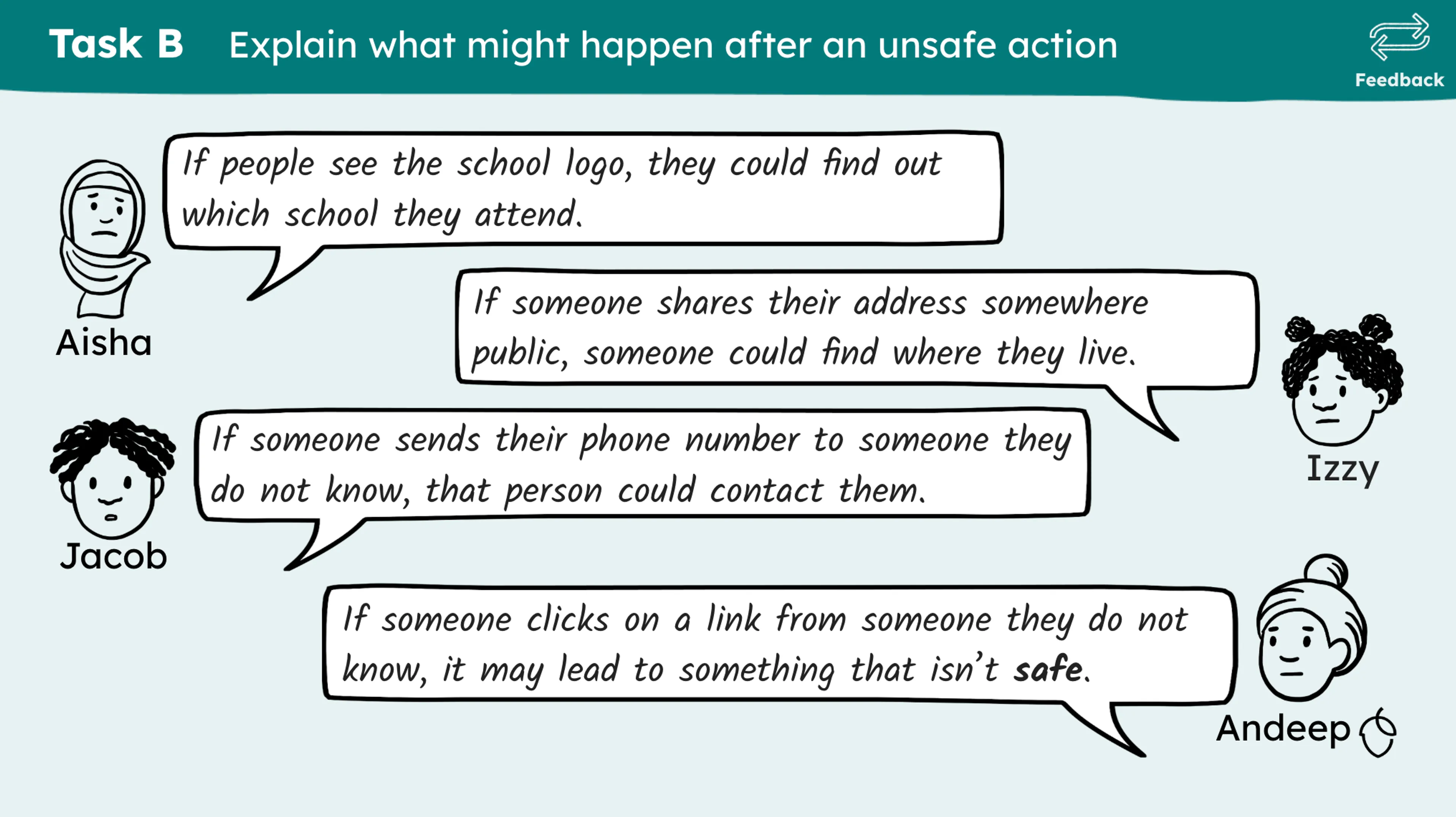
Image: Slide from the year 4 lesson Safe and unsafe online actions.
By embedding these ideas within meaningful contexts, the units help you support pupils to become thoughtful and responsible participants in a digital world.
Creating, communicating and solving problems
Digital literacy is not only about consuming information. It’s also about creating, communicating and using technology purposefully.
Your pupils will have opportunities to create digital content in different formats, making decisions about the most appropriate tools and approaches for a given purpose. They will also explore how digital and AI systems can support learning and everyday activities, while considering the strengths and limitations of different solutions.
This focus on purposeful decision-making helps pupils understand not just how technology works, but when and why to use it.
A coherent approach across years 1-9
To support your curriculum planning, the units are organised around five connected themes that run throughout the sequence:
- Information and data
- Communication and digital participation
- Digital content creation
- Safety, security and wellbeing
- Digital problem-solving
Together, these themes help build your pupils’ understanding over time, creating a coherent approach to digital literacy from primary through to secondary.
Supporting your teaching
Every school will approach digital literacy differently, and you know your pupils best.
These new units are designed to support your teaching by providing high-quality resources that can be used flexibly within your curriculum. Whether you’re looking to deepen pupils’ understanding of online information, strengthen their awareness of digital safety, or help them make more informed choices about technology, the lessons provide a strong foundation to build from.
As technology continues to evolve, digital literacy will remain an important part of preparing pupils for the future. By helping pupils develop critical judgement, responsible habits and adaptable skills, you can support them to participate confidently in an increasingly digital world.