


Condensation polymerisation


Lesson details
Learning outcome
I can explain the basic principles of condensation polymerisation.
Key learning points
- Condensation polymerisation requires monomers with two functional groups.
- Condensation polymers can be made of two different monomers.
- A polyester is formed by reaction of a monomer with two carboxylic acid groups with a monomer with two alcohol groups.
- In condensation polymerisation as well as the polymer a small molecule is formed, usually water.
- Amino acids contain two functional groups and can form polypeptides and proteins.
Keywords
Condensation polymerisation - Condensation polymerisation is a type of polymerisation where monomers join together to form a polymer and a small molecule such as water.
Addition polymerisation - Addition polymerisation is a type of polymerisation where monomers with a C=C double bond join together to form only one product, a polymer.
Polyesters - Polyesters are condensation polymers formed from monomers containing carboxylic acid and alcohol groups. They contain ester bonds.
Polyamides - Polyamides are condensation polymers formed from monomers containing carboxylic acid and amine groups. They contain amide bonds.
Polypeptides - Polypeptides are condensation polymers formed from amino acids. They contain peptide bonds.
Common misconception
Thinking that all polymers are only made up of one monomer. Also, confusing condensation reactions to think that it means to condense and take up less space.
Examples are shown where more than one monomer is used to make condensation polymers. Discuss what condensation is, and how condensation polymerisation produces water or other small molecules depending on the monomers used.
Teacher tip
Molymods are useful to model how the polymer forms and a small molecule.

Licence

Lesson video
Loading...
Prior knowledge starter quiz
6 Questions
Q1.Which of the following statements about addition polymerisation are correct?

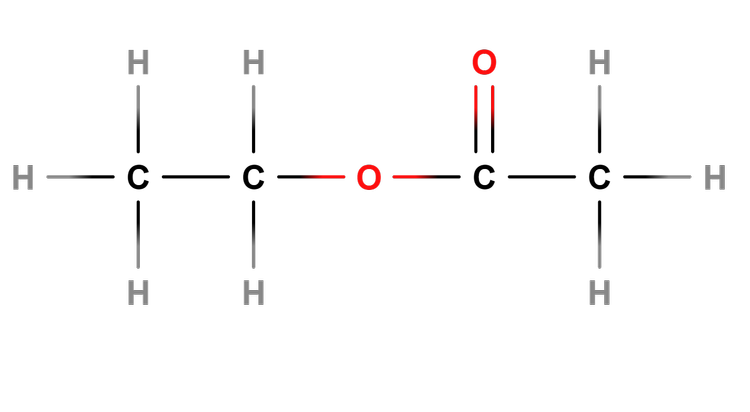
Q2.Which homologous series does this compound belong to?
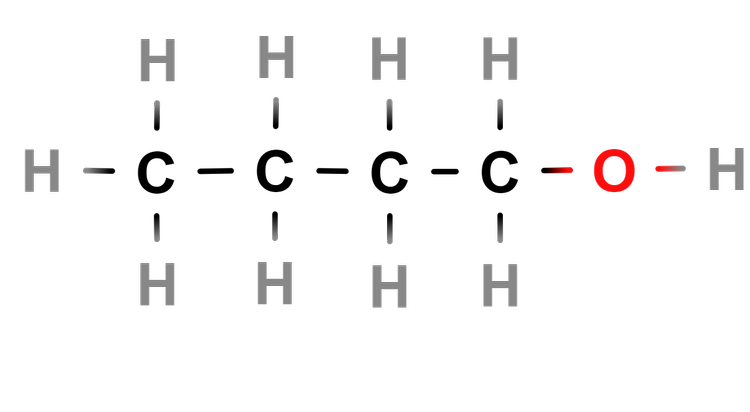
Q3.Name the molecule shown in the image
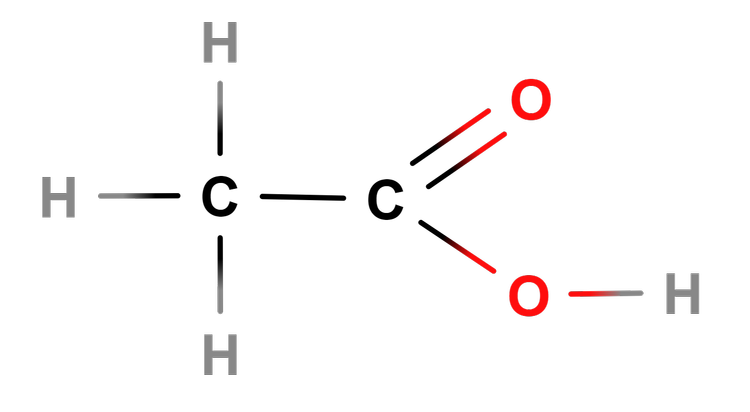
Q4.Identify the functional groups present in the molecule shown in the image
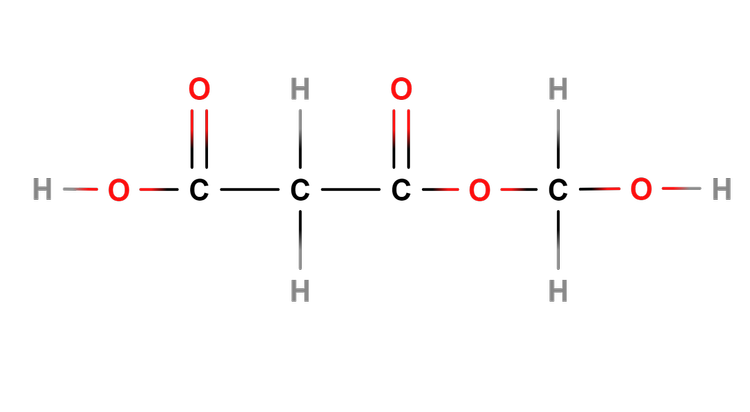
Q5.Which two reactants can react together in the presence of an acid catalyst to produce this compound?
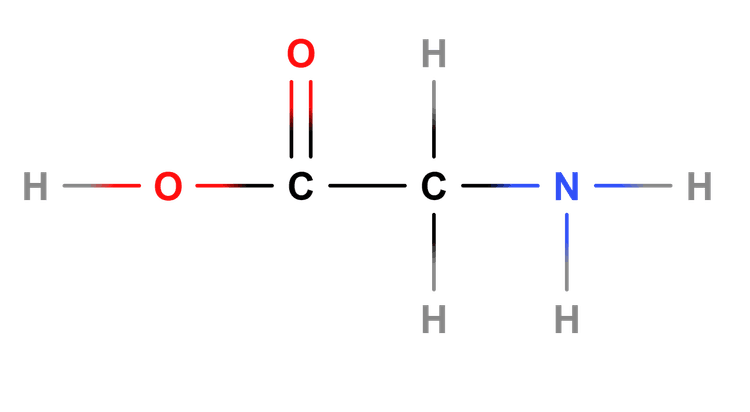
Q6.The image shows an amino acid. How many functional groups are present in this amino acid?
Assessment exit quiz
6 Questions
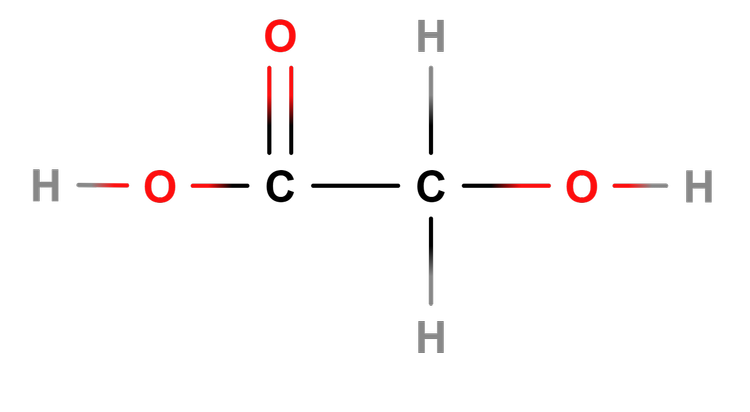
Q1.Which homologous series does the molecule in the image belong to?
Q2.Which of the following statements about condensation polymerisation are true?
Q3.Which polymer could be formed from the following monomer?
Q4.When this monomer polymerises what will be produced?
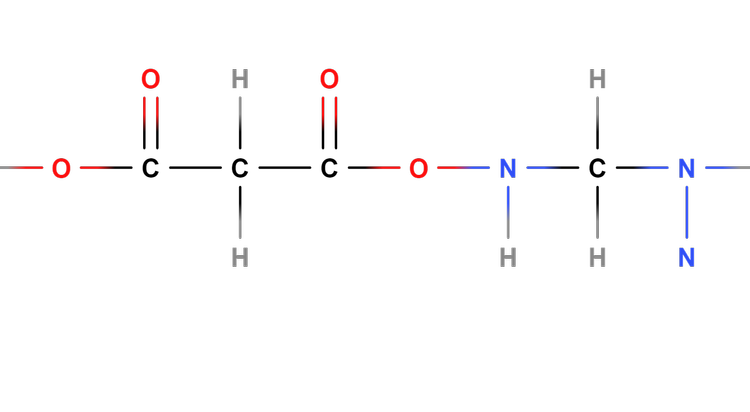
Q5.A section of a polymer is shown in the image. Which two monomers could join together to form this polymer?
Q6.Which keyword is used to describe condensation polymers formed from amino acids?
To help you plan your 11 chemistry lesson on: Condensation polymerisation, download all teaching resources for free and adapt to suit your pupils' needs...
To help you plan your 11 chemistry lesson on: Condensation polymerisation, download all teaching resources for free and adapt to suit your pupils' needs.
The starter quiz will activate and check your pupils' prior knowledge, with versions available both with and without answers in PDF format.
We use learning cycles to break down learning into key concepts or ideas linked to the learning outcome. Each learning cycle features explanations with checks for understanding and practice tasks with feedback. All of this is found in our slide decks, ready for you to download and edit. The practice tasks are also available as printable worksheets and some lessons have additional materials with extra material you might need for teaching the lesson.
The assessment exit quiz will test your pupils' understanding of the key learning points.
Our video is a tool for planning, showing how other teachers might teach the lesson, offering helpful tips, modelled explanations and inspiration for your own delivery in the classroom. Plus, you can set it as homework or revision for pupils and keep their learning on track by sharing an online pupil version of this lesson.
Explore more key stage 4 chemistry lessons from the Organic chemistry unit, dive into the full secondary chemistry curriculum, or learn more about lesson planning.