


Representing transverse waves



Lesson details
Learning outcome
I can interpret and sketch displacement-time graphs of transverse waves.
Key learning points
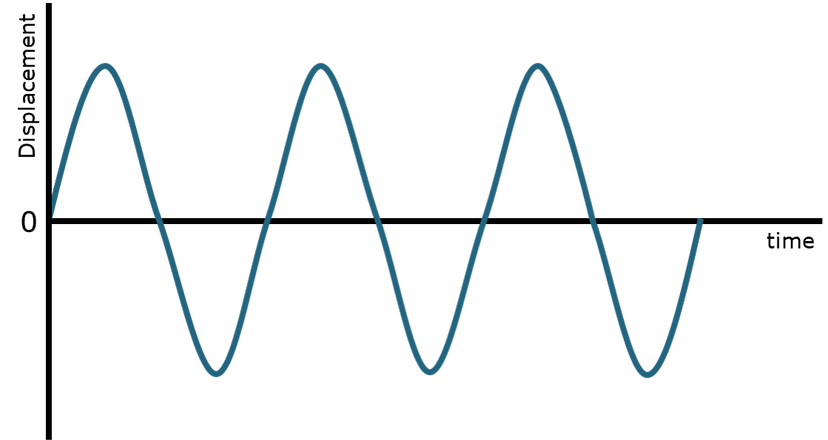
- A displacement-time graph of a wave is a representation of a wave.
- A displacement-time graph of a wave shows how the displacement at one point varies as the wave passes
- The distance between two wave crests on a displacement-time graph is equal to the period of the wave
- The period of a wave, T, is equal to the time of one complete oscillation
- Frequency is equal to 1 / period
Keywords
Wave medium - the wave medium is the material that a wave can move through.
Displacement - displacement at a point of a wave is the distance that the wave medium is from its rest position.
Period (of a wave) - period (of a wave), T, is the time for a complete wave to pass any point, which is the same as the time to make one complete wave.
Frequency - frequency is the number of waves produced each second. Frequency is measured in Hertz (Hz).
Common misconception
A displacement-time graph is a picture of a wave.
Interpret and sketch displacement-time graphs of waves that are compared to descriptions of each wave.
Teacher tip
Practice interpreting displacement-time graphs before asking students to sketch them. Focus on reading the axes each time to identify what is represented on each one and the scale. Ask pupils to describe each wave from its graph.

Licence

Lesson video
Loading...
Prior knowledge starter quiz
6 Questions
Q1.How does the ball move as the water wave moves forwards?


Q2.A water wave is an example of a wave.

Q3.Is a wave on a rope a transverse wave?
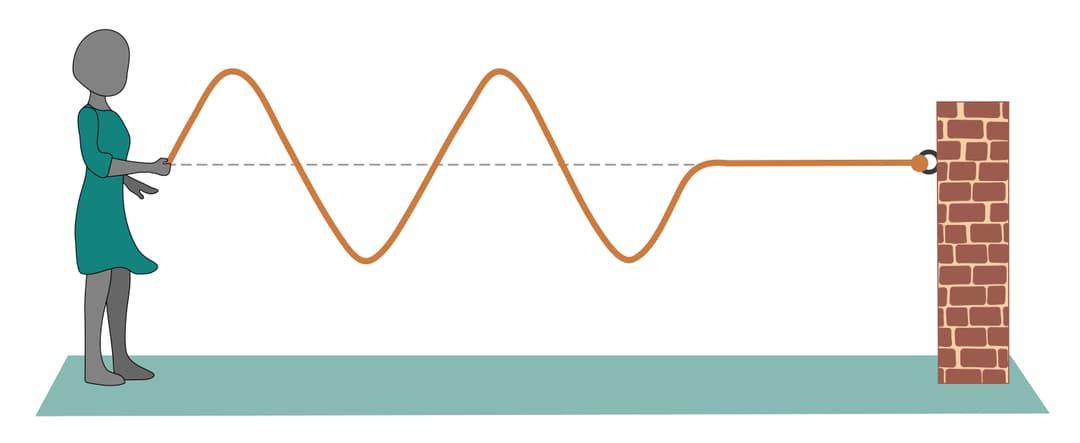
Q4.Where is the rest postion of water in this wave?

Q5.What is the amplitude of a water wave?
Q6.What is the wavelength of a water wave?
Assessment exit quiz
6 Questions
Q1.What type of graph is often used to represent a wave?
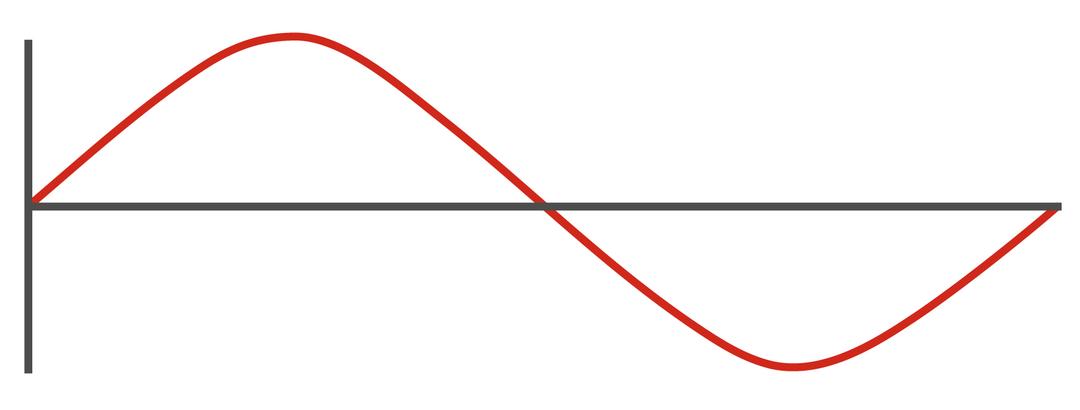
Q2.What is the period of a wave?
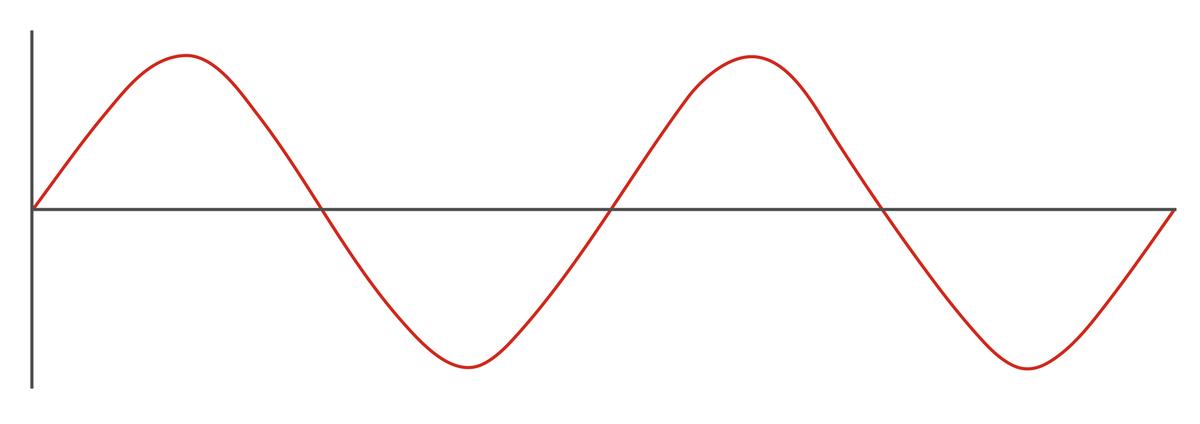
Q3.What is the distance between two wave crests on a displacement-time graph equal to?
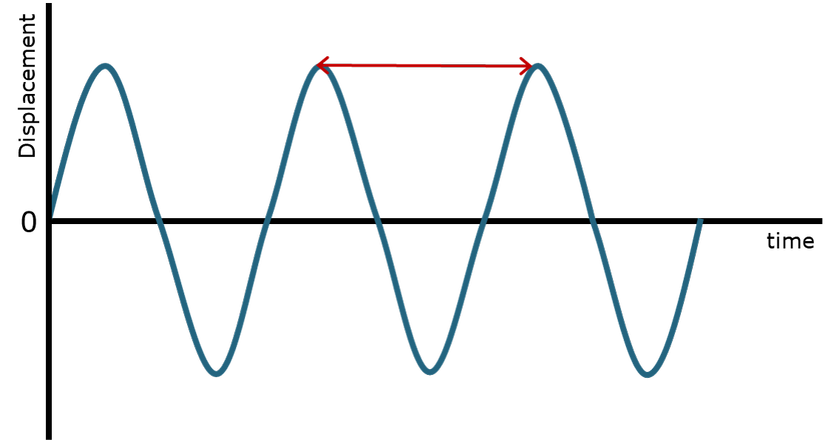
Q4.Which statement is true about a displacement-time graph of a wave?
Q5.Which equation represents the relationship between frequency and period?
Q6.Put these waves in order of frequency, starting with the highest frequency.
To help you plan your 10 combined science lesson on: Representing transverse waves, download all teaching resources for free and adapt to suit your pupils' needs...
To help you plan your 10 combined science lesson on: Representing transverse waves, download all teaching resources for free and adapt to suit your pupils' needs.
The starter quiz will activate and check your pupils' prior knowledge, with versions available both with and without answers in PDF format.
We use learning cycles to break down learning into key concepts or ideas linked to the learning outcome. Each learning cycle features explanations with checks for understanding and practice tasks with feedback. All of this is found in our slide decks, ready for you to download and edit. The practice tasks are also available as printable worksheets and some lessons have additional materials with extra material you might need for teaching the lesson.
The assessment exit quiz will test your pupils' understanding of the key learning points.
Our video is a tool for planning, showing how other teachers might teach the lesson, offering helpful tips, modelled explanations and inspiration for your own delivery in the classroom. Plus, you can set it as homework or revision for pupils and keep their learning on track by sharing an online pupil version of this lesson.
Explore more key stage 4 combined science lessons from the Measuring waves unit, dive into the full secondary combined science curriculum, or learn more about lesson planning.