


Diamond and graphite


Lesson details
Learning outcome
I can describe the properties of diamond and graphite and explain how they result from their giant covalent structures, as well as relate them to their uses.
Key learning points
- In diamond each carbon atom is bonded to four others with strong covalent bonds to form a giant covalent structure.
- Diamond is very hard, has a very high melting point and does not conduct electricity (makes it good for cutting tools).
- In graphite, each carbon atom is covalently bonded to three others to form layers of hexagonal rings.
- There are only weak forces between the layers in graphite which can easily be rubbed apart (makes it a good lubricant).
- Graphite conducts electricity because it has delocalised electrons which can move and carry charge/current.
Keywords
Allotrope - A different structural form of an element, e.g. graphite and diamond are allotropes of carbon.
Giant covalent - A large regular arrangement of atoms all joined together by covalent bonds.
Forces of attraction - Forces of attraction refer to any force that causes two or more substances to come together.
Delocalised - Particles are said to be delocalised when they are free to move through a structure (delocalised electrons can carry an electrical current).
Common misconception
Students may think all carbon forms are alike, ignoring structure's impact on properties.
Emphasise structure-property relationships. Use models to show how diamond's and graphite's differing bonds affect their characteristics.
Teacher tip
Use interactive 3D models to demonstrate lattice structures. Compare physical samples of graphite and diamond (crystal/glass are useful substitutes - just don't test the hardness!) to highlight differences.

Licence

Lesson video
Loading...
Prior knowledge starter quiz
6 Questions
Q1.The presence of which type of bond is a key feature in giant covalent structures?
Q2.Which property is typical of substances with giant covalent structures?
Q3.What distinguishes a giant covalent structure from a simple molecular structure?
Q4.Which diagram below shows a model of a giant covalent substance?
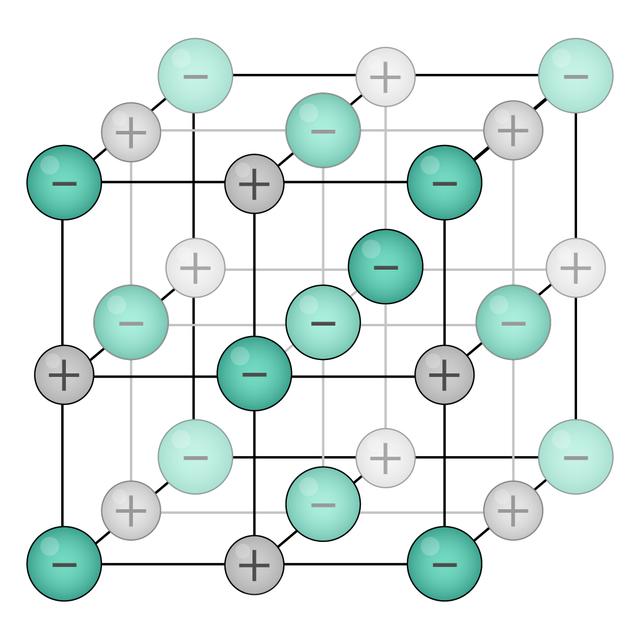
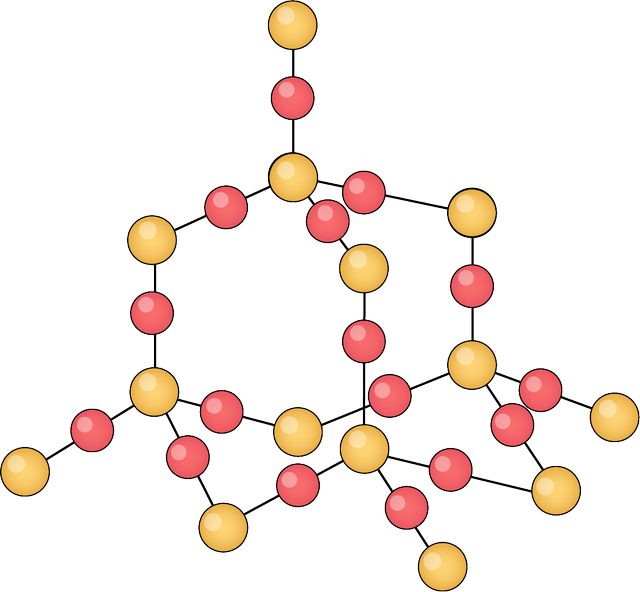

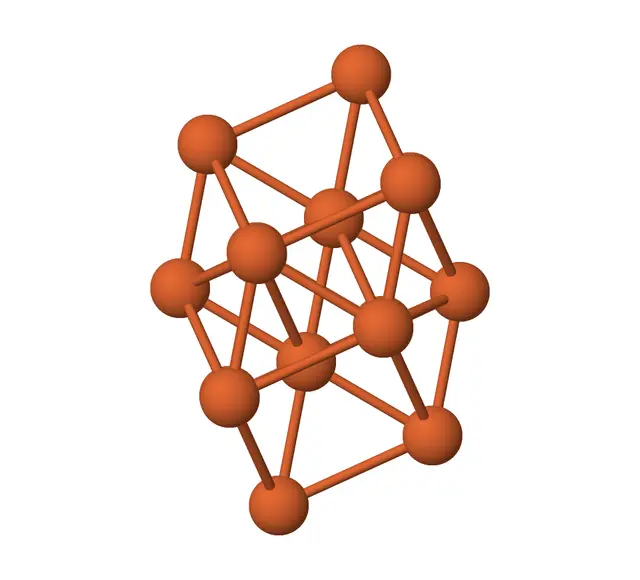
Q5.Which properties are typically found in simple molecular substances but not in giant ionic structures?
Q6.In giant covalent structures, atoms are bonded covalently in a large 3D lattice resulting in high melting and boiling points. Match each part of this sentence to the correct term.

Assessment exit quiz
6 Questions
Q1.What is an allotrope?
Q2.What makes diamond so hard?
Q3.Why can graphite be used as a lubricant?
Q4.In diamond, each carbon atom forms covalent bonds.
Q5.True or false? In graphite, each carbon atom is bonded to four other carbon atoms.
Q6.Graphite conducts electricity because it has which can move and carry charge/current.
To help you plan your 10 combined science lesson on: Diamond and graphite, download all teaching resources for free and adapt to suit your pupils' needs...
To help you plan your 10 combined science lesson on: Diamond and graphite, download all teaching resources for free and adapt to suit your pupils' needs.
The starter quiz will activate and check your pupils' prior knowledge, with versions available both with and without answers in PDF format.
We use learning cycles to break down learning into key concepts or ideas linked to the learning outcome. Each learning cycle features explanations with checks for understanding and practice tasks with feedback. All of this is found in our slide decks, ready for you to download and edit. The practice tasks are also available as printable worksheets and some lessons have additional materials with extra material you might need for teaching the lesson.
The assessment exit quiz will test your pupils' understanding of the key learning points.
Our video is a tool for planning, showing how other teachers might teach the lesson, offering helpful tips, modelled explanations and inspiration for your own delivery in the classroom. Plus, you can set it as homework or revision for pupils and keep their learning on track by sharing an online pupil version of this lesson.
Explore more key stage 4 combined science lessons from the Chemistry of carbon unit, dive into the full secondary combined science curriculum, or learn more about lesson planning.