


The wave equation


Lesson details
Learning outcome
I can describe how the frequency of a wave moving through a particular medium is related to its wavelength.
Key learning points
- The speed of a wave depends on the medium it is travelling through
- The speed of a wave does not depend on its frequency
- For a given wave speed, the higher the frequency, the shorter the wavelength
- For a given wave speed, the longer the wavelength, the lower the frequency
- Wave speed = frequency x wavelength
Keywords
Wave equation - wave speed = frequency × wavelength (v = f x λ)
Wave speed - the speed of a wave in a particular medium (material)
Frequency - the number of waves produced each second. Frequency is measured in Hertz (Hz)
Wavelength - the distance between one wave crest (or trough) and the next
Lambda - (λ) the symbol used for the wavelength of a wave
Common misconception
In, v = f x λ, speed is dependent on frequency and wavelength, rather than the medium.
Focus on speed being property of a medium and equation not being as an equation with three interdependent variables.
Teacher tip
Demonstrate the movement of waves in a spring, rope and ripple tank showing that the wave speed (measured using distance and time) is independent of frequency but changes when the medium is altered.

Licence

Lesson video
Loading...
Prior knowledge starter quiz
6 Questions
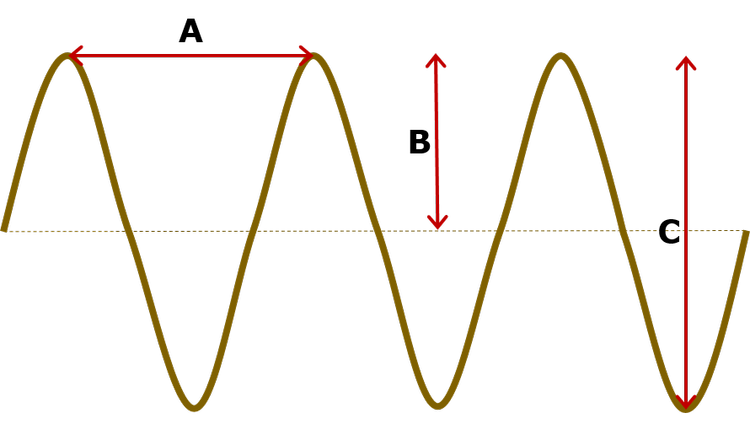
Q1.The figure shows the displacement-time graph for a wave. Which of these correctly describe the features of this wave?
Q2.A student wants to measure the speed of a wave in a spring. Which quantities do they need to measure to calculate the speed?
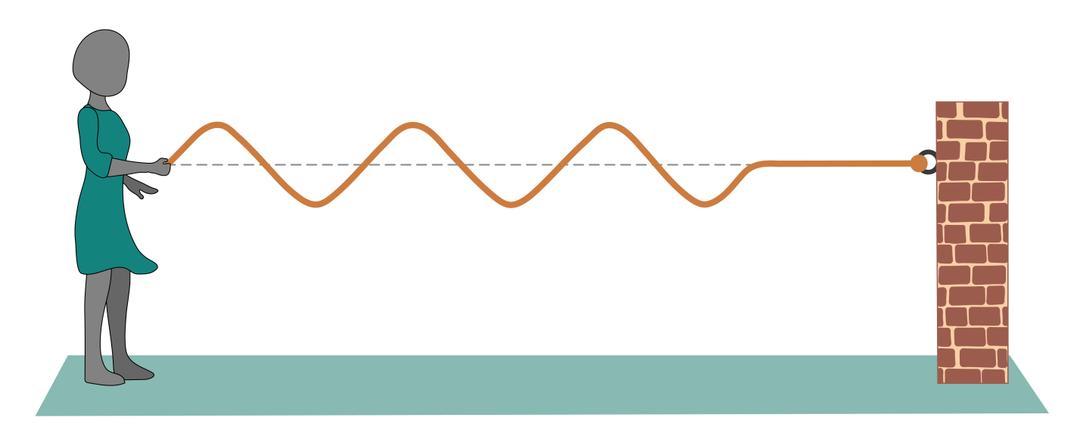
Q3.Waves can be produced in a rope by shaking one end up and down. Match the changes to their effects on the wave in the rope.

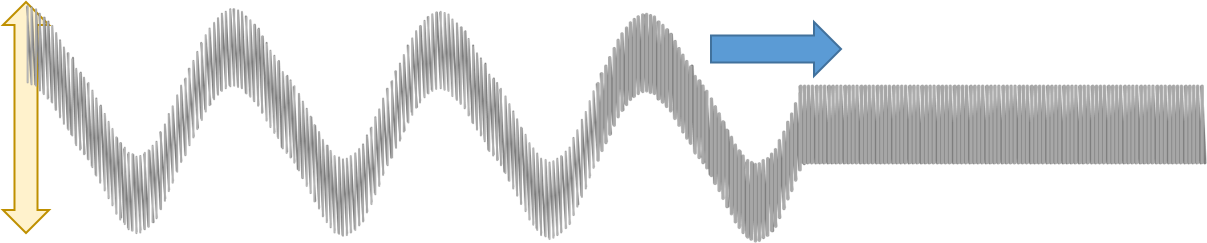
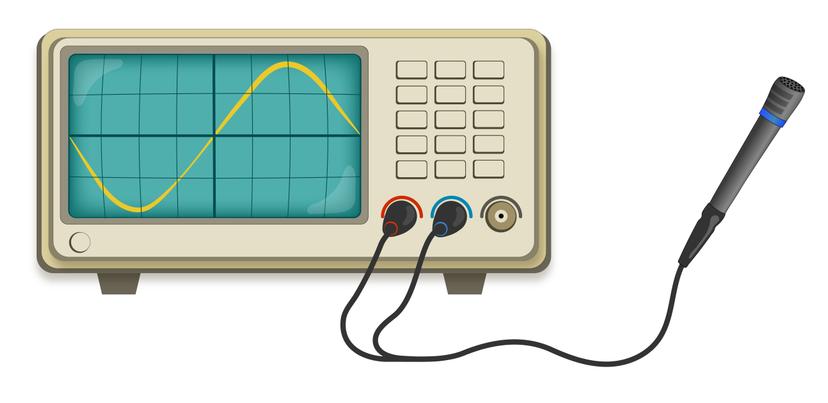
Q4.An oscilloscope and microphone are used to display the waveform for a sound wave. What will happen to the waveform if the frequency of the sound wave is increased?
Q5.On a pond, a ripple travels 0.30 m in 0.40 s. What is the speed of the wave?
Q6.Sound waves travel at 330 m/s in air. How long will it take a sound wave to travel 5.0 km?
Assessment exit quiz
6 Questions
Q1.Which of these does the speed of a wave moving through a medium depend on?
Q2.Match the wave quantity to the correct symbol.
Q3.Which of these is the correct relationship between wave speed, wavelength, and frequency?
Q4.A loudspeaker produces a series of sound waves of different frequencies. Starting with the longest wavelength, put the waves into order of wavelength.
Q5.An earthquake produces a wave of wavelength 300 m with a frequency of 6.0 Hz. Calculate the wave speed.
Q6.Starting with the fastest wave, put the waves in order of decreasing wave speed.
To help you plan your 10 combined science lesson on: The wave equation, download all teaching resources for free and adapt to suit your pupils' needs...
To help you plan your 10 combined science lesson on: The wave equation, download all teaching resources for free and adapt to suit your pupils' needs.
The starter quiz will activate and check your pupils' prior knowledge, with versions available both with and without answers in PDF format.
We use learning cycles to break down learning into key concepts or ideas linked to the learning outcome. Each learning cycle features explanations with checks for understanding and practice tasks with feedback. All of this is found in our slide decks, ready for you to download and edit. The practice tasks are also available as printable worksheets and some lessons have additional materials with extra material you might need for teaching the lesson.
The assessment exit quiz will test your pupils' understanding of the key learning points.
Our video is a tool for planning, showing how other teachers might teach the lesson, offering helpful tips, modelled explanations and inspiration for your own delivery in the classroom. Plus, you can set it as homework or revision for pupils and keep their learning on track by sharing an online pupil version of this lesson.
Explore more key stage 4 combined science lessons from the Measuring waves unit, dive into the full secondary combined science curriculum, or learn more about lesson planning.