


Assemble a stationery storage product


Lesson details
Learning outcome
I can join fabric templates.
Key learning points
- Stitches need to be close together so there are no gaps.
- Seam allowances will be hidden when the product is reversed.
- Different sewing techniques have different effects.
Keywords
Assemble - put together
Method - a way of doing something
Visible - can be seen
Reverse side - the back or wrong side of a fabric piece
Reverse - to sew the inside of the pattern piece and turn out
Common misconception
Stitching size doesn't affect product outcome.
Large, uneven stitches will create gaps which will make the final product less effective.
Teacher tip
Pupils could label the front (right) and back (wrong) sides of their fabric pieces with removable sticky labels.

Equipment
Please see additonal materials document for a list of resources needed for this lesson.

Content guidance
Risk assessment required - equipment

Supervision
Adult supervision required

Licence

Lesson video
Loading...
Prior knowledge starter quiz
6 Questions
Q1.What do cotton, silk and wool have in common?

Q2.What are these used for?
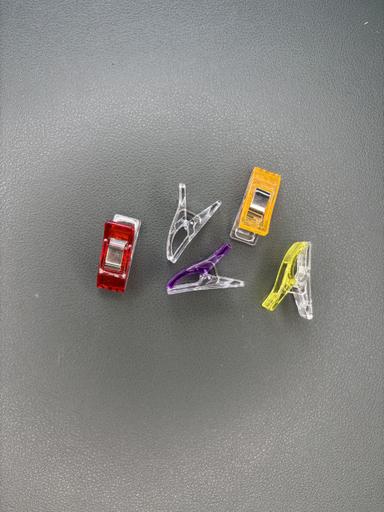
Q3.What word can describe the string used to sew and also means 'to pass through a small gap'?
Q4.What does the word 'placement' mean?
Q5.What is wrong with this pattern placement?

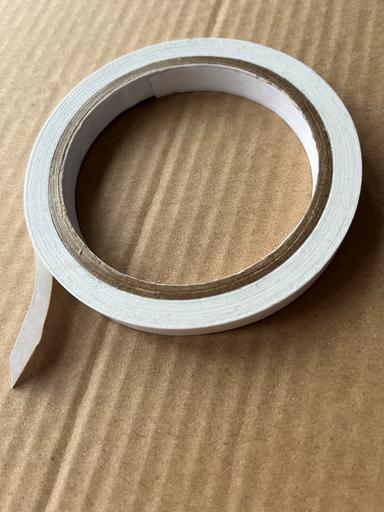
Q6.What are the problems of using double-sided tape to hold paper templates to fabric?
Assessment exit quiz
4 Questions
Q1.Why do the stitches on a stationery storage product need to be small and evenly spaced?
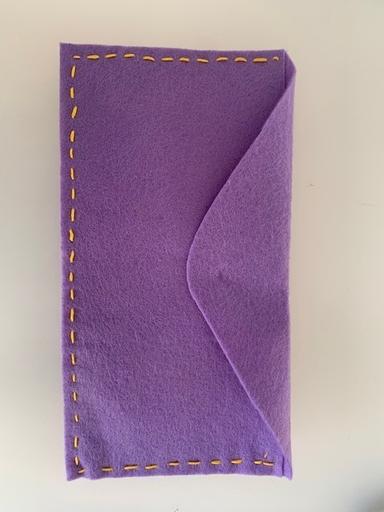
Q2.Which type of fabric suits sewing on the reverse side?
Q3.Gaps in a stationery storage product would make it less ...
Q4.What does the word 'assemble' mean?
To help you plan your 3 design and technology lesson on: Assemble a stationery storage product, download all teaching resources for free and adapt to suit your pupils' needs...
To help you plan your 3 design and technology lesson on: Assemble a stationery storage product, download all teaching resources for free and adapt to suit your pupils' needs.
The starter quiz will activate and check your pupils' prior knowledge, with versions available both with and without answers in PDF format.
We use learning cycles to break down learning into key concepts or ideas linked to the learning outcome. Each learning cycle features explanations with checks for understanding and practice tasks with feedback. All of this is found in our slide decks, ready for you to download and edit. The practice tasks are also available as printable worksheets and some lessons have additional materials with extra material you might need for teaching the lesson.
The assessment exit quiz will test your pupils' understanding of the key learning points.
Our video is a tool for planning, showing how other teachers might teach the lesson, offering helpful tips, modelled explanations and inspiration for your own delivery in the classroom. Plus, you can set it as homework or revision for pupils and keep their learning on track by sharing an online pupil version of this lesson.
Explore more key stage 2 design and technology lessons from the 2D shapes to 3D products: stationery storage unit, dive into the full primary design and technology curriculum, or learn more about lesson planning.