


Reverse motion levers and linkages
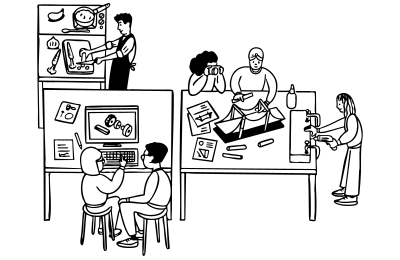


Lesson details
Learning outcome
I can make reverse motion linkages.
Key learning points
- Levers are rigid bars that create movement by turning on a pivot point.
- Linkages are systems that create movement using one or more levers.
- Reverse motion linkages use a fixed pivot to change the direction of input so that the output goes the opposite way.
- Making a reverse motion linkage can help with understanding its features and movement.
Keywords
Mechanism - a set of moving parts that make something happen
Lever - a mechanism which creates movement
Pivot point - a point around which an object moves or rotates
Linkage - a mechanism connecting levers together
Reverse motion linkage - a linkage that creates movement in opposite directions
Common misconception
Levers are always used to make things move easier.
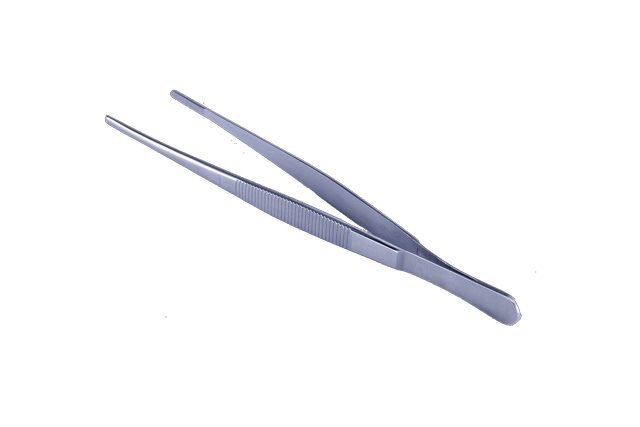
Some levers are designed to to move things faster or further, a pair of tweezers for example.
Teacher tip
Print the linkage worksheet straight onto card if possible. The linkages can work using paper but are more effective using card. Save card by using cereal boxes (that had not contained nuts) as a back drop. This is a prototype for the children and a cereal box is perfect for this task.

Equipment
Please see the additional materials for the equipment and resources.

Content guidance
Risk assessment required - may contain allergens
Risk assessment required - equipment

Supervision
Adult supervision required

Licence

Lesson video
Loading...
Prior knowledge starter quiz
6 Questions
Q1.What does rigid mean?

Q2.A see-saw usually creates the following type of movement:
Q3.What is a mechanism?
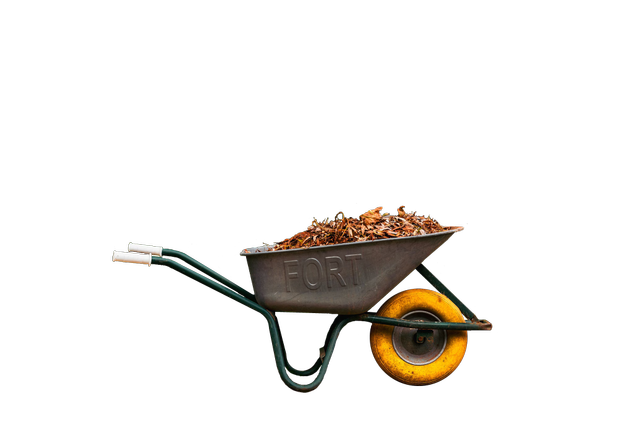
Q4.Which part of a wheelbarrow is the fulcrum?
Q5.Where on a see-saw do you usually see a fulcrum?
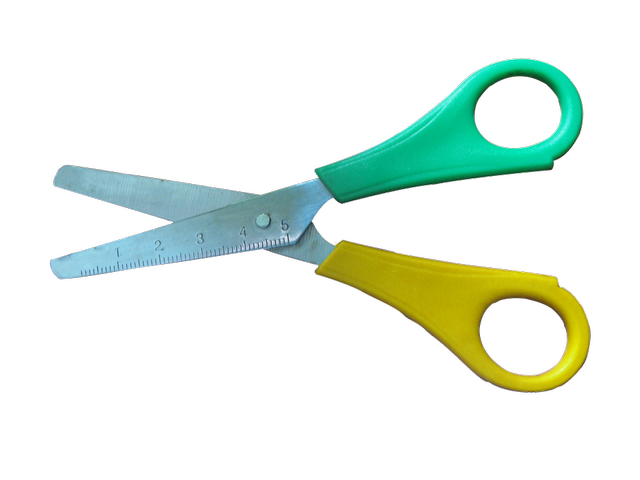
Q6.Where would you find the fulcrum on a pair of scissors?
Assessment exit quiz
6 Questions
Q1.On a lever, the fulcrum is ...
Q2.The force we use to make the lever work is called ...
Q3.Which of these is a class two lever?
Q4.A reverse motion linkage uses ...
Q5.Which of the following were used as pivots in the making activity?
Q6.What is the movement that affects the output of a mechanism?
To help you plan your 4 design and technology lesson on: Reverse motion levers and linkages, download all teaching resources for free and adapt to suit your pupils' needs...
To help you plan your 4 design and technology lesson on: Reverse motion levers and linkages, download all teaching resources for free and adapt to suit your pupils' needs.
The starter quiz will activate and check your pupils' prior knowledge, with versions available both with and without answers in PDF format.
We use learning cycles to break down learning into key concepts or ideas linked to the learning outcome. Each learning cycle features explanations with checks for understanding and practice tasks with feedback. All of this is found in our slide decks, ready for you to download and edit. The practice tasks are also available as printable worksheets and some lessons have additional materials with extra material you might need for teaching the lesson.
The assessment exit quiz will test your pupils' understanding of the key learning points.
Our video is a tool for planning, showing how other teachers might teach the lesson, offering helpful tips, modelled explanations and inspiration for your own delivery in the classroom. Plus, you can set it as homework or revision for pupils and keep their learning on track by sharing an online pupil version of this lesson.
Explore more key stage 2 design and technology lessons from the Levers and linkages: interactive books unit, dive into the full primary design and technology curriculum, or learn more about lesson planning.