


Rich vocabulary associated with clumsy or silly words



Lesson details
Learning outcome
I can use the words 'blundering', 'bumbling' and 'butterfingered' effectively in multiple contexts.
Key learning points
- 'Blundering' is an adjective which means goofy or clumsy.
- 'Bumbling' is an adjective which means awkward, clumsy or useless.
- 'Butterfingered' is an adjective which means clumsy or accident-prone.
Keywords
Noun - a naming word for people, places or things
Adjective - a word that describes a noun
Synonym - a word that has the same or similar meaning to another word
Word pair - words that often appear together
Common misconception
Bumbling and blundering are very similar words which pupils may find confusing.
Bumbling suggests a lack of skill or clumsiness where as blundering implies making specific mistakes or errors.
Teacher tip
Some of the word pairs are quite insulting - such as 'buffoon', 'oaf' and 'fool'. Ensure pupils understand the nuanced context in which they might use these words and that they would be unkind to use in real life contexts.

Licence

Lesson video
Loading...
Prior knowledge starter quiz
6 Questions
Q1.Which image represents the word 'discerning'?

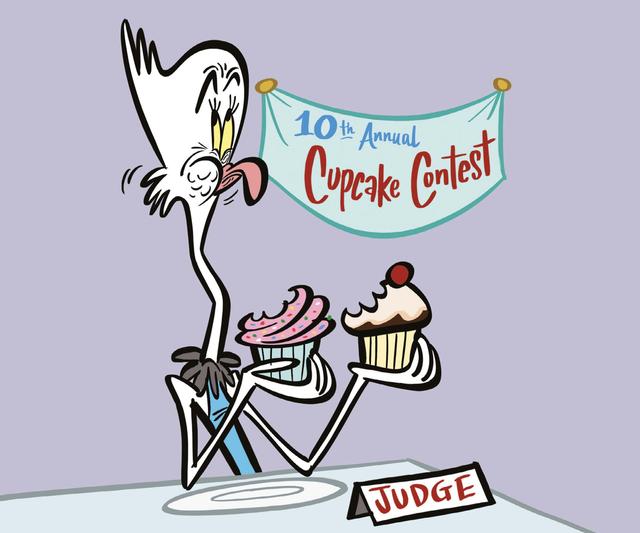
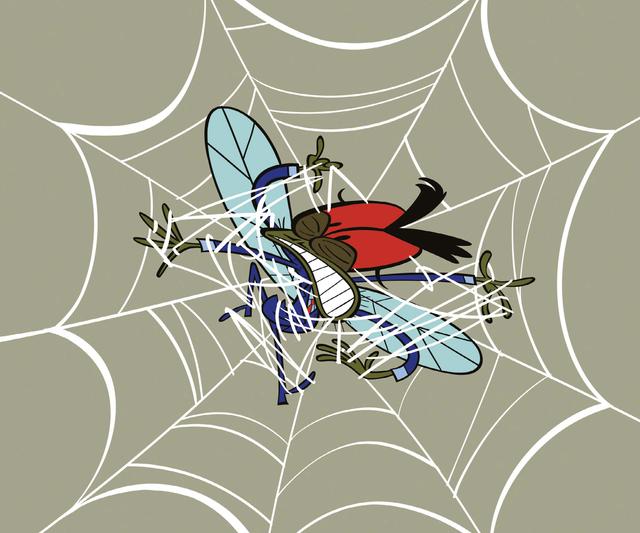
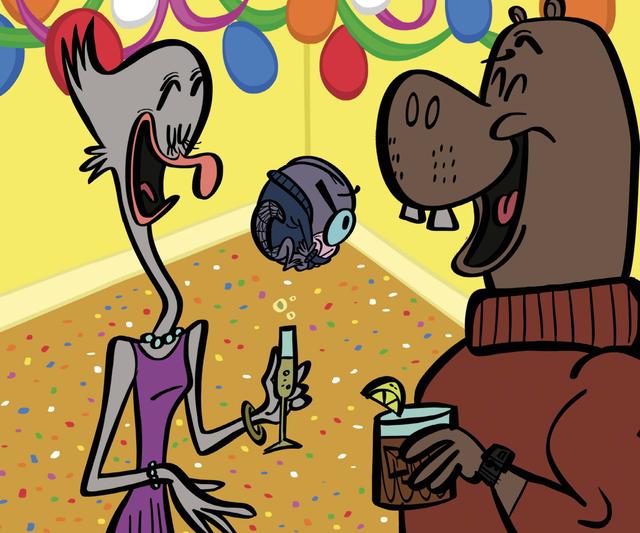
Q2.Which image represents the word 'astute'?

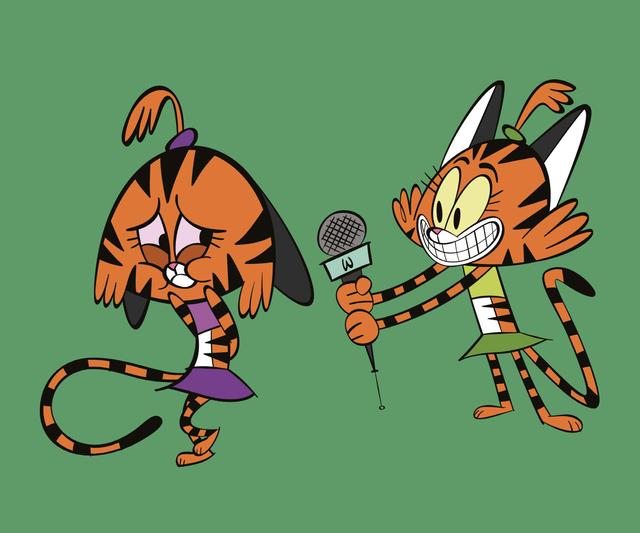
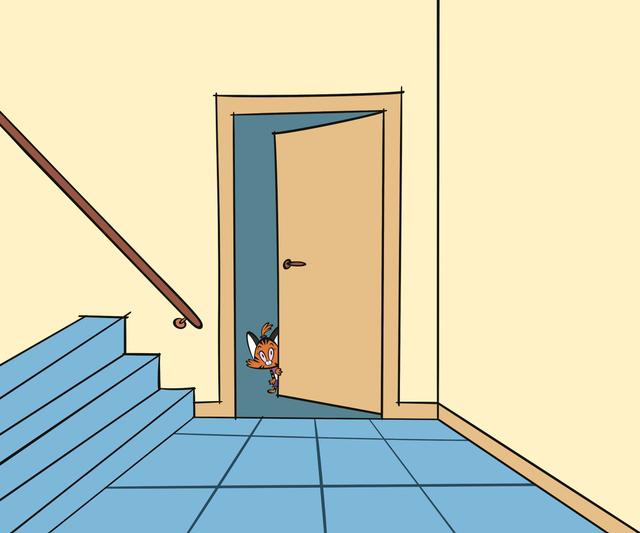
Q3.Which image represents the word 'innovative'?
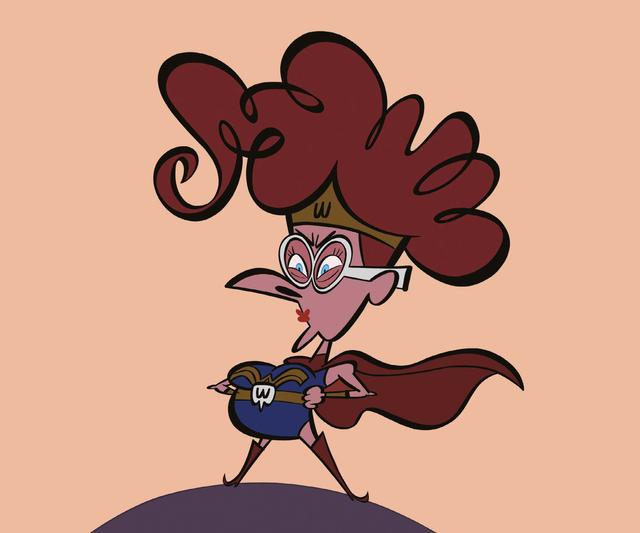
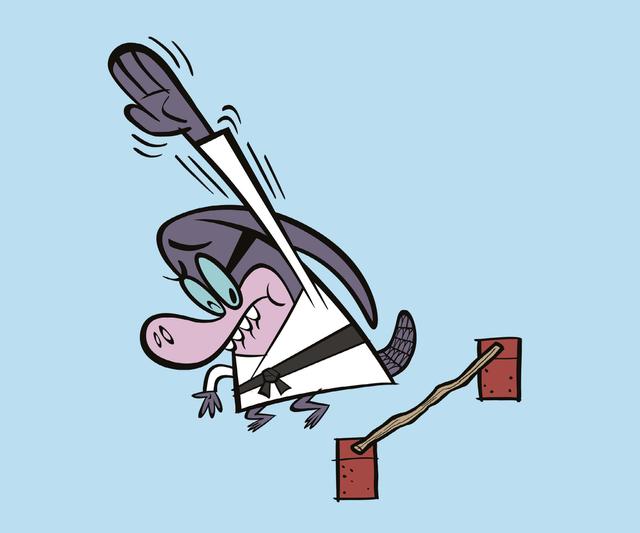
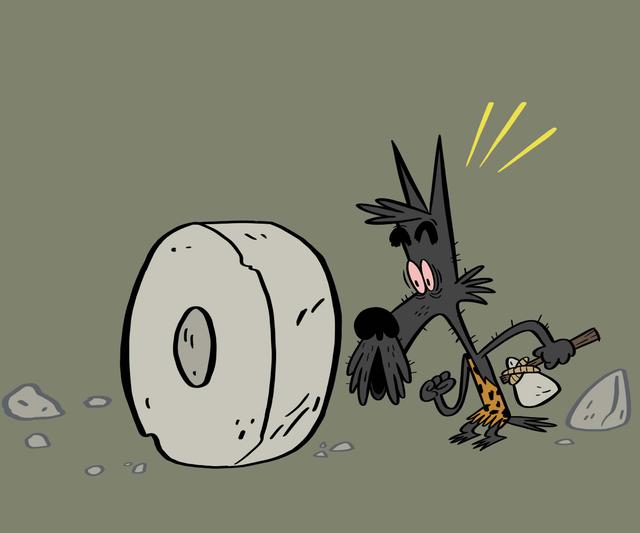
Q4.Select the correct definition for 'discerning'.
Q5.Select the correct definition for 'astute'.
Q6.Select the correct definition for 'innovative'.
Assessment exit quiz
6 Questions
Q1.What adjective does this image represent?
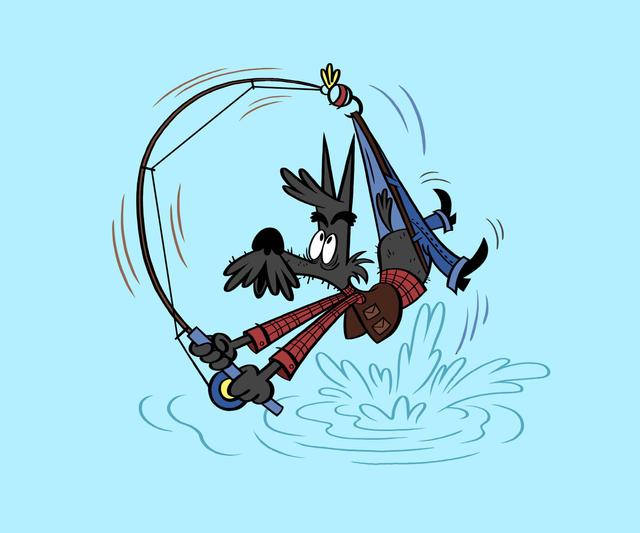
Q2.What adjective does this image represent?
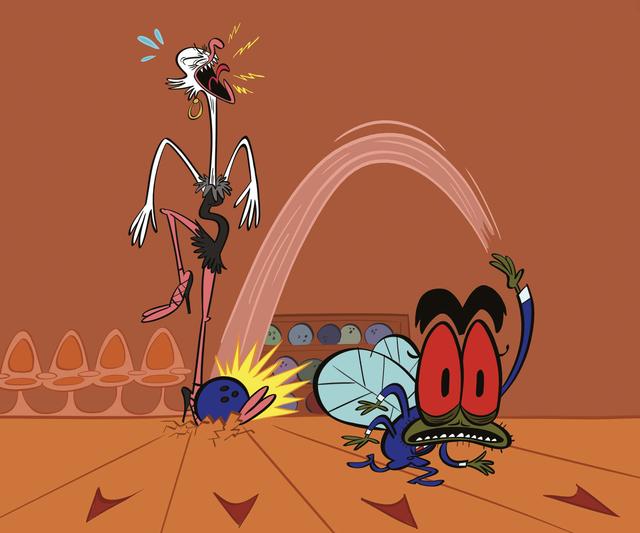
Q3.What adjective does this image represent?
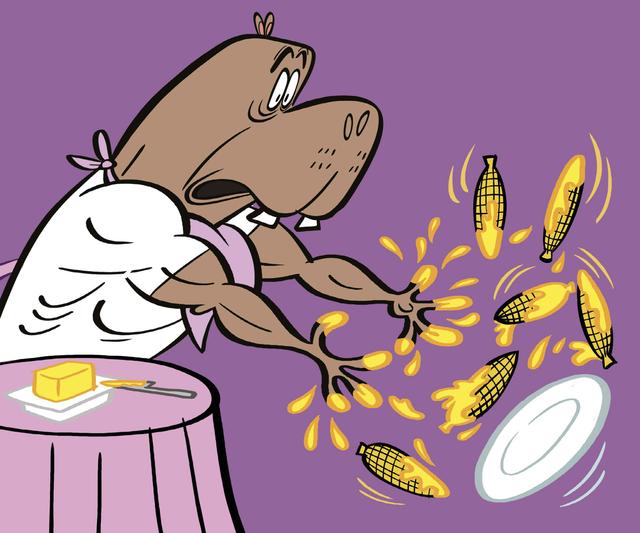
Q4.Which of the following are word pairs for 'butterfingered'?
Q5.Write the missing word to complete the sentence. The __________ burglar knocked over some pans, which clattered to the floor and woke everyone in the house up.
Q6.Write the missing word to complete the sentence. The __________ buffoon tripped over his own feet.
To help you plan your 3 English lesson on: Rich vocabulary associated with clumsy or silly words, download all teaching resources for free and adapt to suit your pupils' needs...
To help you plan your 3 English lesson on: Rich vocabulary associated with clumsy or silly words, download all teaching resources for free and adapt to suit your pupils' needs.
The starter quiz will activate and check your pupils' prior knowledge, with versions available both with and without answers in PDF format.
We use learning cycles to break down learning into key concepts or ideas linked to the learning outcome. Each learning cycle features explanations with checks for understanding and practice tasks with feedback. All of this is found in our slide decks, ready for you to download and edit. The practice tasks are also available as printable worksheets and some lessons have additional materials with extra material you might need for teaching the lesson.
The assessment exit quiz will test your pupils' understanding of the key learning points.
Our video is a tool for planning, showing how other teachers might teach the lesson, offering helpful tips, modelled explanations and inspiration for your own delivery in the classroom. Plus, you can set it as homework or revision for pupils and keep their learning on track by sharing an online pupil version of this lesson.
Explore more key stage 2 English lessons from the Character: clever and clumsy words unit, dive into the full primary English curriculum, or learn more about lesson planning.