


World climate zones


Lesson details
Learning outcome
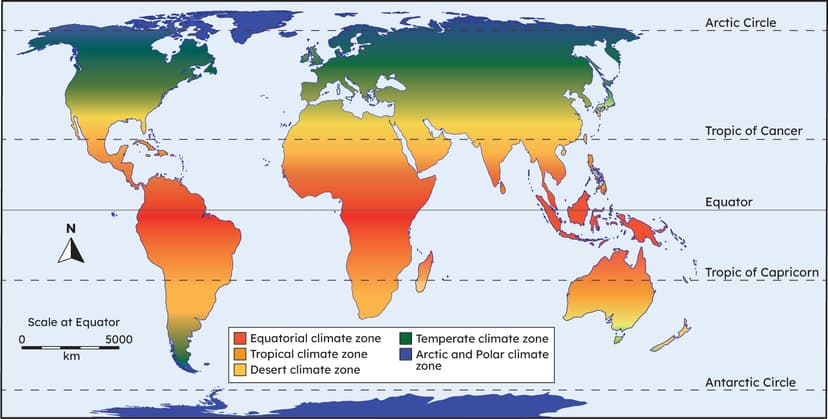
I can describe the pattern of climate zones and know some of the factors that affect climate, such as latitude.
Key learning points
- Climate zones are areas with a similar climate.
- Factors such as alititude, latitude and distance from the sea affect the weather and climate of a location.
- The height above sea level affects the temperature.The higher above sea level, the cooler the temperature.
- Coastal areas tend to have warmer winters than inland areas as water takes longer to warm up.
Keywords
Climate zones - areas that have similar weather conditions and climate, e.g. the tropics
Temperature - the degree of hotness or coldness of a place
Latitude - lines of latitude are imaginary lines on Earth showing position north or south of the Equator, measured in degrees
Altitude - height above sea level or ground level
Common misconception
It is always colder at the coast because it is near water.
Students will understand that, in winter, coastal areas tend to be warmer because water takes longer to heat up.
Teacher tip
It would be useful for students to have a world map or an atlas for this lesson. It's also helpful to reinforce that it is hot and wet at the equator.

Licence

Lesson video
Loading...
Prior knowledge starter quiz
6 Questions
Q1.Which of the below is a statement about the weather?
Q2.Which of the below are shown on a climate graph?
Q3.Which of the terms below refers to the height above sea level?
Q4.Which of the climate graphs below shows the wettest climate?
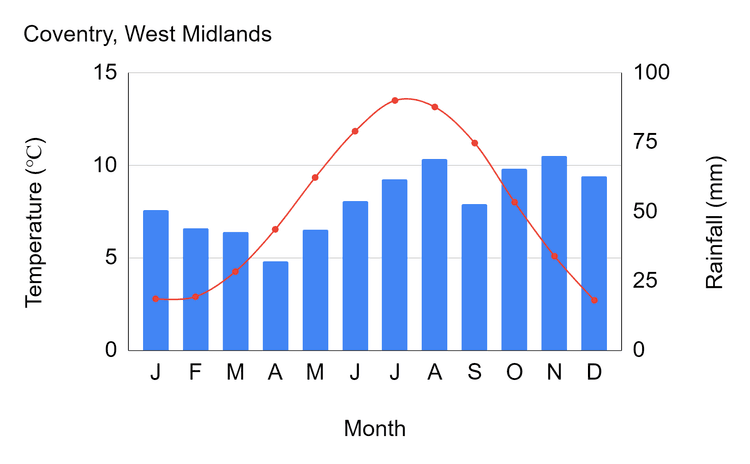
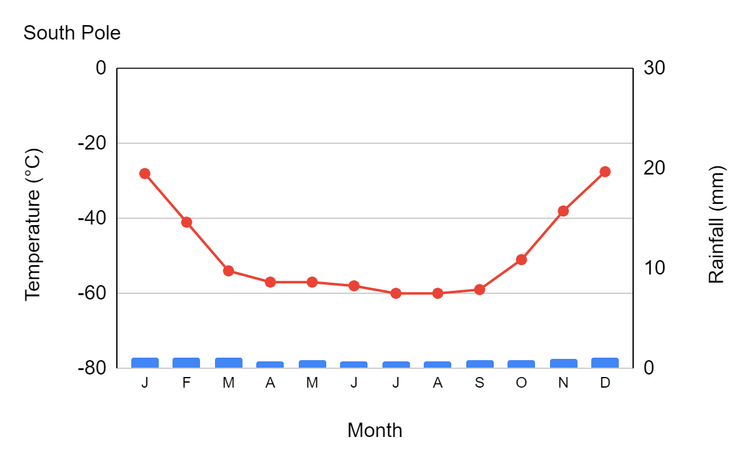
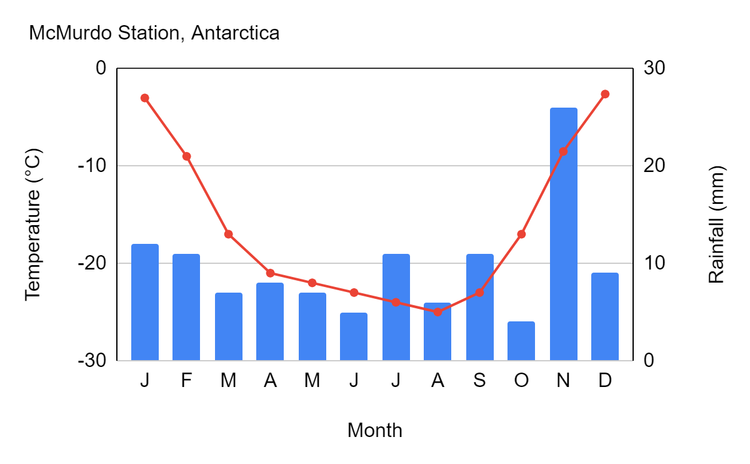
Q5.What is the key term: The average conditions of the atmosphere over 30 years.
Q6.Match the following types of weather with the correct instruments used to measure them.

Assessment exit quiz
6 Questions
Q1.What do we call locations that have similar temperature and precipitation patterns?
Q2.What are the typical climatic conditions along the equator?
Q3.What is happening to air at the equator?
Q4.What happens to temperature at altitude increases by 100m?
Q5.South west Europe is generally cooler than the rest of Europe, due to what reason?
Q6.Which two factors are responsible for Moscow and Glasgow having different climates?
To help you plan your 7 geography lesson on: World climate zones, download all teaching resources for free and adapt to suit your pupils' needs...
To help you plan your 7 geography lesson on: World climate zones, download all teaching resources for free and adapt to suit your pupils' needs.
The starter quiz will activate and check your pupils' prior knowledge, with versions available both with and without answers in PDF format.
We use learning cycles to break down learning into key concepts or ideas linked to the learning outcome. Each learning cycle features explanations with checks for understanding and practice tasks with feedback. All of this is found in our slide decks, ready for you to download and edit. The practice tasks are also available as printable worksheets and some lessons have additional materials with extra material you might need for teaching the lesson.
The assessment exit quiz will test your pupils' understanding of the key learning points.
Our video is a tool for planning, showing how other teachers might teach the lesson, offering helpful tips, modelled explanations and inspiration for your own delivery in the classroom. Plus, you can set it as homework or revision for pupils and keep their learning on track by sharing an online pupil version of this lesson.
Explore more key stage 3 geography lessons from the Weather and climate: how do they vary? unit, dive into the full secondary geography curriculum, or learn more about lesson planning.