


Bioplastics (non-statutory Climate Change & Sustainability)


Lesson details
Learning outcome
I can describe how long it takes for plastics to decompose and how to make an alternative degradable bioplastic.
Key learning points
- It takes up to 500 years for plastics to decompose.
- Discarded plastics are causing problems in our seas and on our land, for animals including humans.
- Scientists have discovered ways to make bioplastics or biodegradable plastics.
- Bioplastics can be made from starch.
- Scientists can observe bioplastics over time to find out how long it takes them to decompose.
Keywords
Plastic - Plastic is a material which is made from crude oil and can be moulded into different shapes.
Decompose - To decompose is to break down or decay.
Degradable - If something is degradable, it can be broken down into the simple parts that made it.
Bioplastic - A bioplastic is a plastic made from materials which come from sustainable sources such as plants.
Observe - To observe is to look very closely and use other senses too.
Common misconception
Bioplastics do not cause any environmental problems.
Teaching slides explain what the limitations of current bioplastics are, and that scientists are still working on their development.
Teacher tip
Encourage pupils to consider the problem with plastic as not only being limited to plastic waste but also how the production of new plastic contributes to climate change as it is made from oil, a fossil fuel.

Equipment
Cooker, small saucepan, wooden spoon, teaspoons, beakers, a small plate, water, cornflour, glycerine and white vinegar.

Content guidance
Risk assessment required - equipment

Supervision
Adult supervision required

Licence

Lesson video
Loading...
Prior knowledge starter quiz
6 Questions
Q1.Which of these are materials?

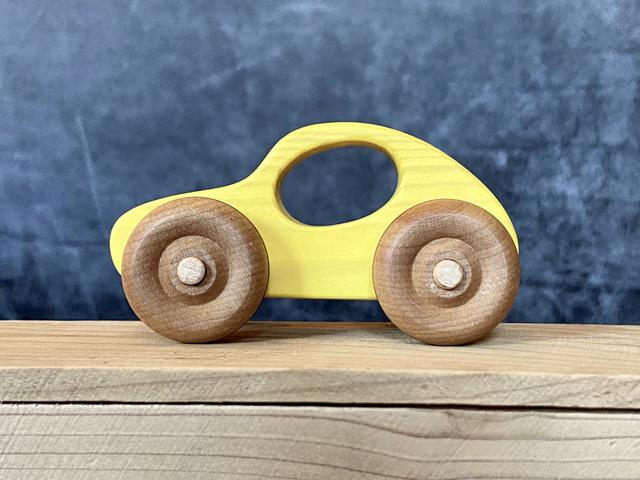
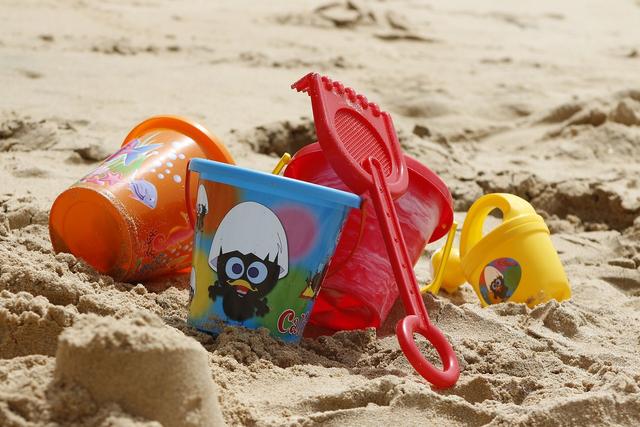
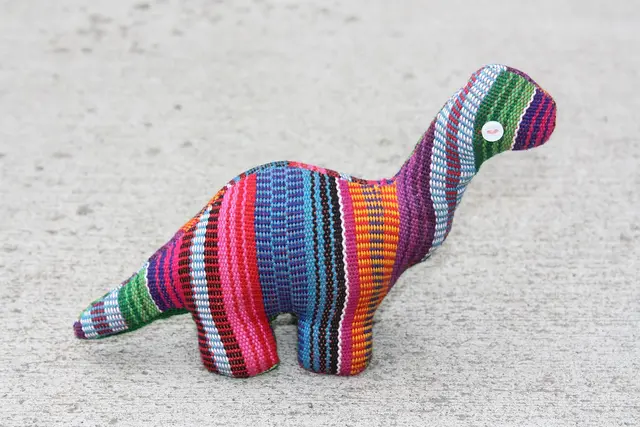
Q2.Which of the toys in the images are made from plastic?
Q3.Which of these materials woud it be best to make tyres for a car from?
Q4.Which of these materials would be best to make a water bottle from?
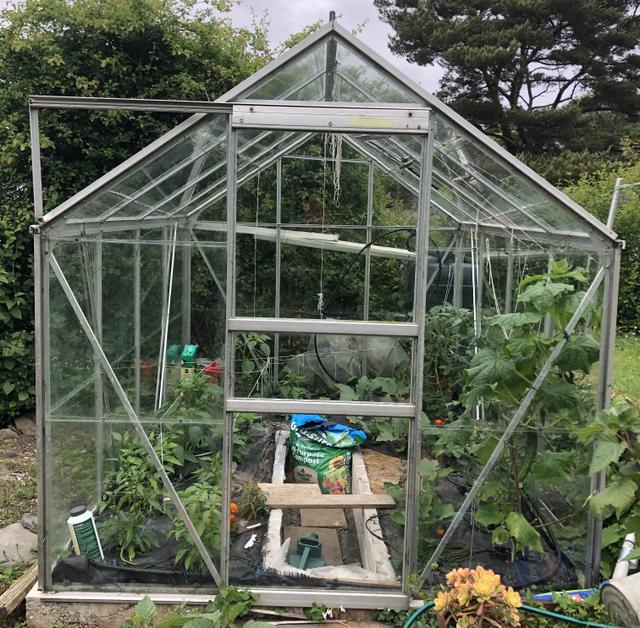
Q5.Which of these materials are suitable to make a greenhouse?
Q6. is a greenhouse gas released when fossil fuels are burned. It is used by plants and exhaled by humans.
Assessment exit quiz
6 Questions
Q1.To __________ is to break down or decay.
Q2.How long does it take for plastic to decompose?
Q3.What is the impact of discarded plastics?
Q4.Who has discovered ways to make bioplastics or biodegradable plastics?
Q5.How could scientists find out how long it takes bioplastics to decompose?
Q6.Which of these can you make bioplastics from?
To help you plan your 5 science lesson on: Bioplastics (non-statutory Climate Change & Sustainability), download all teaching resources for free and adapt to suit your pupils' needs...
To help you plan your 5 science lesson on: Bioplastics (non-statutory Climate Change & Sustainability), download all teaching resources for free and adapt to suit your pupils' needs.
The starter quiz will activate and check your pupils' prior knowledge, with versions available both with and without answers in PDF format.
We use learning cycles to break down learning into key concepts or ideas linked to the learning outcome. Each learning cycle features explanations with checks for understanding and practice tasks with feedback. All of this is found in our slide decks, ready for you to download and edit. The practice tasks are also available as printable worksheets and some lessons have additional materials with extra material you might need for teaching the lesson.
The assessment exit quiz will test your pupils' understanding of the key learning points.
Our video is a tool for planning, showing how other teachers might teach the lesson, offering helpful tips, modelled explanations and inspiration for your own delivery in the classroom. Plus, you can set it as homework or revision for pupils and keep their learning on track by sharing an online pupil version of this lesson.
Explore more key stage 2 science lessons from the Properties, changes and separating materials unit, dive into the full primary science curriculum, or learn more about lesson planning.