New
New
3D shapes can be composed from 2D nets
I can compose 3D shapes from 2D nets and identify the 2D net which will create a 3D shape.


Lesson 3 of 10
New
New
- Year 6
3D shapes can be composed from 2D nets
I can compose 3D shapes from 2D nets and identify the 2D net which will create a 3D shape.
Lesson details
Key learning points
- A net is a 2D shape that can be folded and joined to create a 3D shape.
- Not all arrangements of shapes will form the net of a 3D shape.
Keywords
Net - A net is a 2D representation of the faces of a 3D shape, that can be folded up into the 3D object.
Common misconception
It is perfectly possible for pupils to be highly numerate but struggle with the spatial awareness needed to visualise / imagine whether a 2D net will fold together to form a 2D shape.
As part of the lesson design process you may wish to incorporate manipulatives such as construction materials for those pupils whose learning needs scaffolding. As with all scaffolding, aim to move pupils away from this when you can.
If pupils are miscounting the faces of a 2D shape when planning to create its net, provide small sticky notes for them to place on a face when it has been counted.

Teacher tip

Licence
This content is © Oak National Academy Limited (2025), licensed on Open Government Licence version 3.0 except where otherwise stated. See Oak's terms & conditions (Collection 2).
Lesson video
Loading...
Prior knowledge starter quiz
6 Questions
Q1.Select all of the names of shapes that are polygons.
Select all of the names of shapes that are polygons.
Cube
Semi-circle
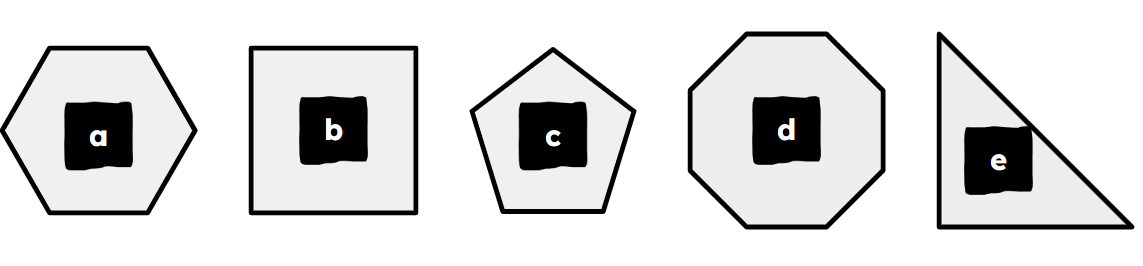
Q2.Match the polygon to the correct name.
Match the polygon to the correct name.

Q3.This shape has been made by putting number rods together. Select all of the statements that are true.
This shape has been made by putting number rods together. Select all of the statements that are true.
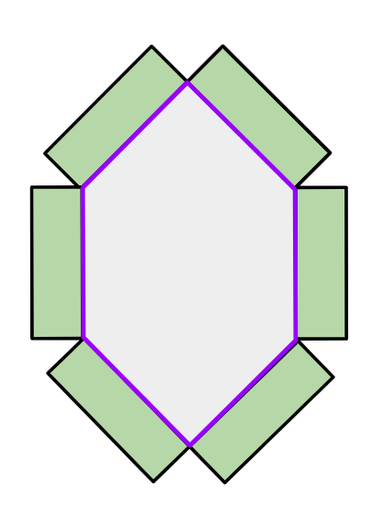
The sides are different lengths.
It is a regular polygon.
Q4.Match the 3D shape to the number of faces it has.
Match the 3D shape to the number of faces it has.
Q5.Which of these accurately describes the properties of a cuboid?
Which of these accurately describes the properties of a cuboid?
6 faces, 6 edges, 6 vertices
6 faces, 8 edges, 12 vertices
6 faces, 8 edges, 8 vertices
Q6.Which of these accurately describes the properties of a pentagonal prism?
Which of these accurately describes the properties of a pentagonal prism?
4 faces, 15 edges, 15 vertices
6 faces, 15 edges 10 vertices
10 faces, 10 edges, 10 vertices
Assessment exit quiz
6 Questions
Q1.What is a net?
What is a net?
A 2D shape made of 3D shapes folded togehther.
A type of cube.
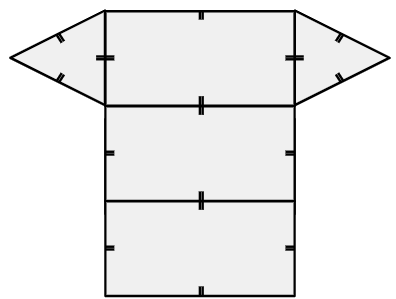
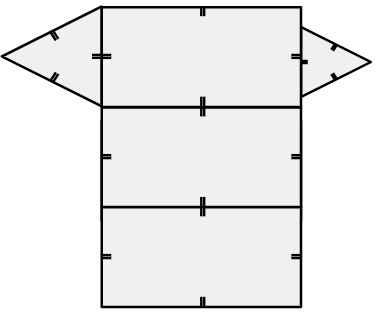
Q2.Which of the following is a net for a 3D shape?
Which of the following is a net for a 3D shape?
B
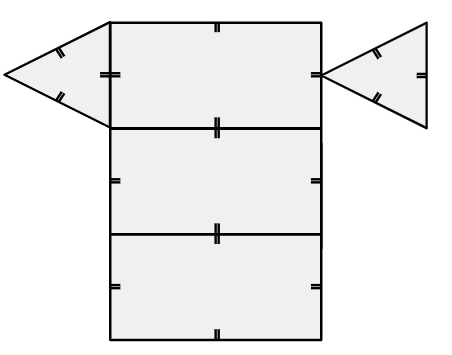
C
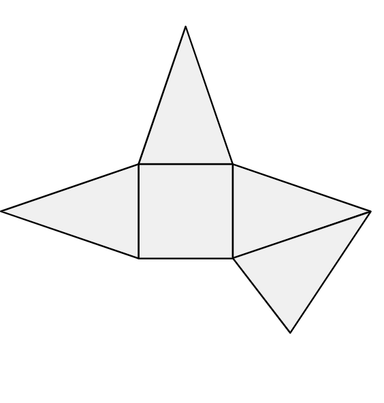
Q3.This is the net for which 3D shape?
This is the net for which 3D shape?
Triangular pyramid
Cuboid
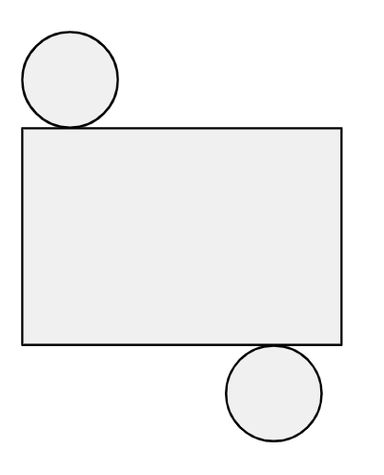
Q4.Which of these could be the net of a cylinder?
Which of these could be the net of a cylinder?
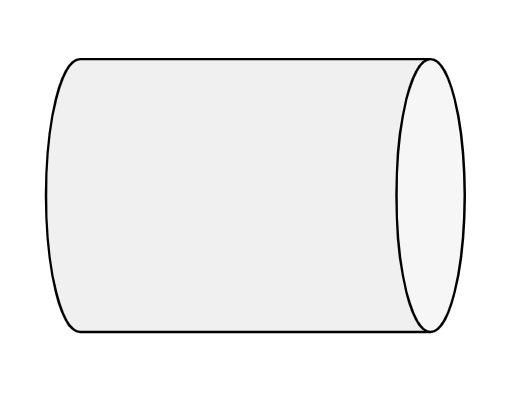
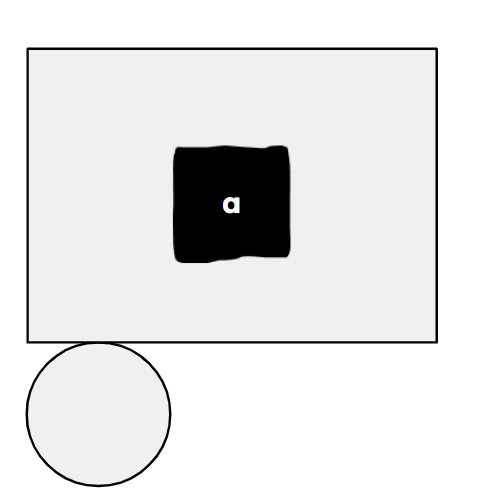
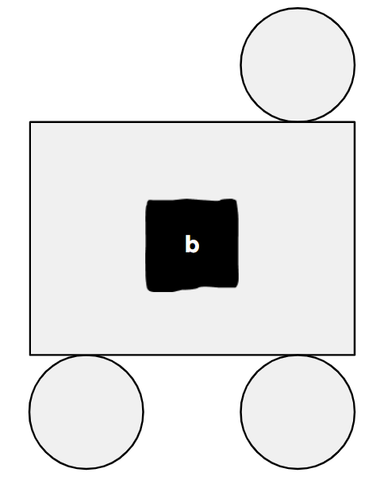
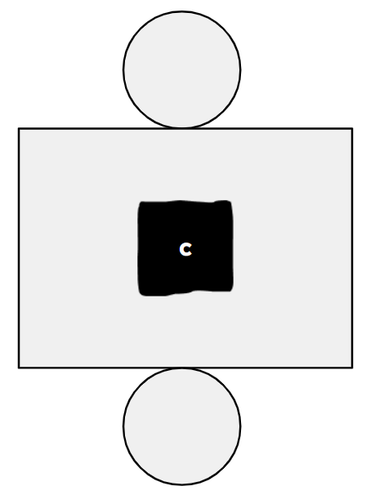
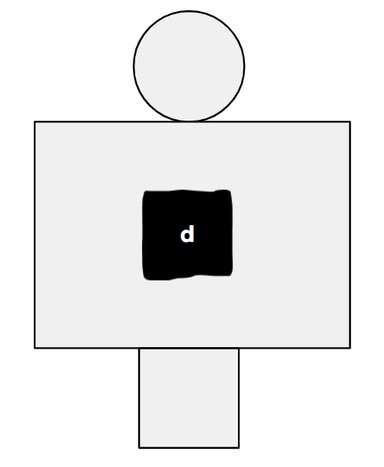
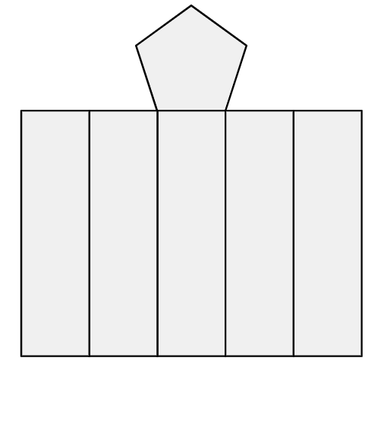
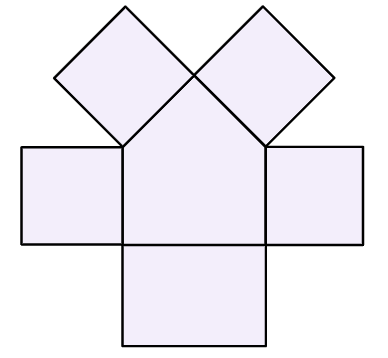
Q5.This net would form a pentagonal prism but it is missing a shape. Which shape is it missing?
This net would form a pentagonal prism but it is missing a shape. Which shape is it missing?
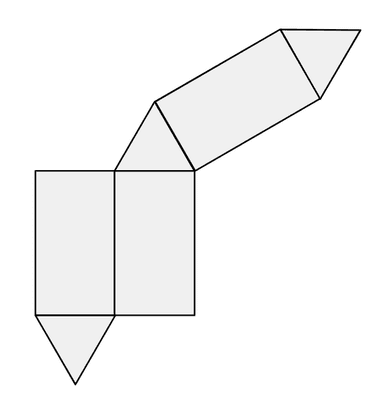
Q6.Which of these are nets that would form 3D shapes?
Which of these are nets that would form 3D shapes?