


New
New
Bioaccumulation
I can describe how toxic materials can accumulate and affect organisms in a food chain.


Lesson 8 of 9
New
New
- Year 7
Bioaccumulation
I can describe how toxic materials can accumulate and affect organisms in a food chain.
Lesson details
Key learning points
- Some toxic substances are persistent (they stay in the environment and do not break down).
- If consumed, persistent toxic substances can be passed up the food chain.
- The bioaccumulation of toxic substances can cause damage to organisms, particularly top predators.
- The use of pesticides in farming can cause bioaccumulation.
Keywords
Toxic - A toxic substance is one which is poisonous to organisms.
Bioaccumulation - An increase in the concentration of a chemical within an organism is called bioaccumulation.
Pesticide - Pesticides are chemicals that are used to control pests (organisms that compete with humans for food supplies).
Common misconception
Pupils do often not understand that pesticides can build up within a food chain.
The lesson covers examples of how pesticides can be absorbed into producers and passed along food chains as organisms eat food.
There are a number of videos available that can be used to show how extensively pesticides were used in the UK in the 1950s, and the impact that this had on organisms. Material can be used to discuss the pros and cons of the use of pesticides.

Teacher tip

Equipment

Licence
This content is © Oak National Academy Limited (2026), licensed on Open Government Licence version 3.0 except where otherwise stated. See Oak's terms & conditions (Collection 2).
Lesson video
Loading...
Prior knowledge starter quiz
6 Questions
Q1.Look at the woodland food web. Which of the following organisms is an apex predator?
Look at the woodland food web. Which of the following organisms is an apex predator?

Chiff chaff
Vole
Blue tit
Q2.Look at the woodland food web. Which of the following organisms is a producer?
Look at the woodland food web. Which of the following organisms is a producer?
Blue tit
Aphid
Lady bird
Q3.An ecosystem includes...
An ecosystem includes...
only the living organisms in an area.
only the non-living parts of an area.
Q4.Look at the food chain diagram. What things will happen if the deer die out?
Look at the food chain diagram. What things will happen if the deer die out?

The tigers will start to eat the grass
The population of grass will decrease
Q5.Farmers use chemicals to help them produce enough food for the human population. Having enough food for the human population is called...
Farmers use chemicals to help them produce enough food for the human population. Having enough food for the human population is called...
a food bank.
food shortage.
a food hamper.
Q6.Chemicals which kill pests are called ...
Chemicals which kill pests are called ...
Assessment exit quiz
6 Questions
Q1.What does the hazard symbol mean?
What does the hazard symbol mean?
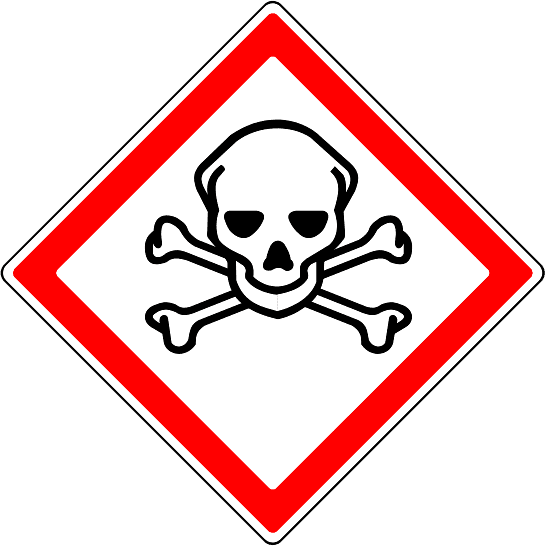
Corrosive
Hazardous
Corrosive
Irritant
Q2.Match the words with their correct meanings.
Match the words with their correct meanings.

Q3.Toxic chemicals can build up in organisms in a food chain. This is known as ...
Toxic chemicals can build up in organisms in a food chain. This is known as ...
excretion
pollution
magnification
Q4.Look at the food web diagram. Which of the organisms would be killed by a herbicide?
Look at the food web diagram. Which of the organisms would be killed by a herbicide?
Vole
Moth larva
Ladybird
Q5.Look at the food web diagram. How many organisms would be killed directly by an insecticide?
Look at the food web diagram. How many organisms would be killed directly by an insecticide?
1
2
4
5
Q6.Look at the food chain diagram. Which of the organisms is most likely to build up toxic levels of insecticide in their bodies?
Look at the food chain diagram. Which of the organisms is most likely to build up toxic levels of insecticide in their bodies?

Organism A
Organism B
Organism C
