Competition and adaptations in ecosystems
I can describe what plants and animals compete for, and consider how adaptations help organisms to survive and compete in their environment.


- Year 10
- AQA
Competition and adaptations in ecosystems
I can describe what plants and animals compete for, and consider how adaptations help organisms to survive and compete in their environment.
Lesson details
Key learning points
- Organisms compete for resources such as food, water, space, shelter, light, mates, pollinators and seed dispersers.
- The populations of species within a community are interdependent (they rely upon and affect one another).
- Organisms have adaptations that help them survive and compete in their environment.
- Adaptations can be physiological, structural or behavioural.
- Extremophiles are adapted to live in extreme environments, e.g. high salt concentration or very high or low temperature.
Keywords
Competition - Competition is when organisms in a community or population are seeking the same limited resource (e.g. food, mates).
Adaptation - An adaptation is a feature that organisms have to help them live in a particular place.
Physiological - Physiological adaptations are body processes that help an organism to survive and reproduce.
Microorganism - A microorganism is an organism that can only be seen using a microscope.
Extremophile - Extremophiles are organisms that are able to successfully survive and reproduce in extreme environments (e.g. very hot/very cold).
Common misconception
That organisms are able to quickly adapt to the place where they live.
Referring to inheritance, explain that changes to organisms take time to evolve - responses to any environmental change is not instant. In some organisms, where reproduction is slow, responses can be too slow to avoid extinction.


Equipment
None required.

Licence
Lesson video
Loading...
Prior knowledge starter quiz
6 Questions
Q1.What is it called when an animal's colour or pattern helps it blend into its surroundings?
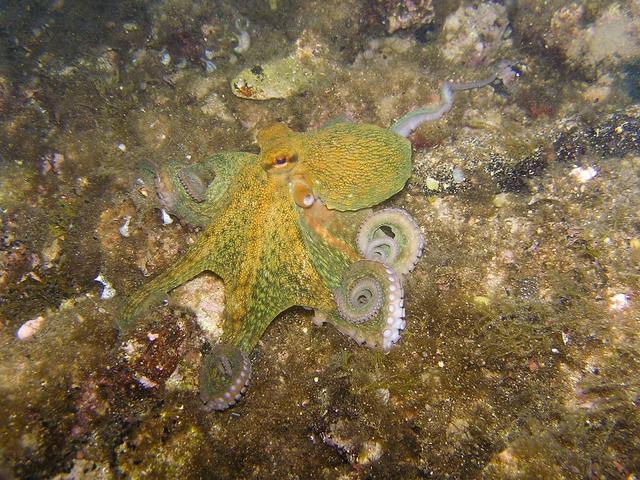
Q2.Some animals travel from one habitat to another at different times of year. Other animals spend the cold winter months in hibernation. These are both examples of adaptations.
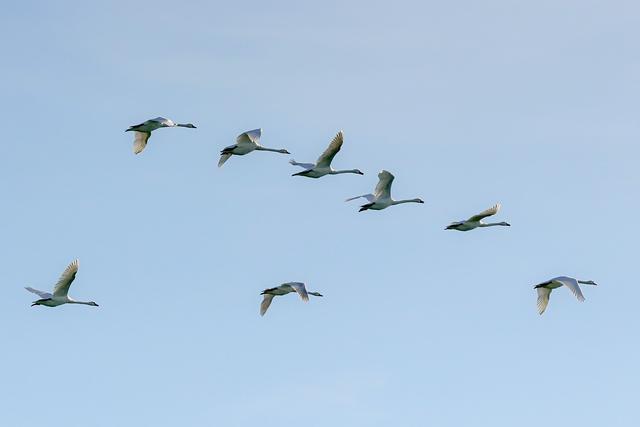
Q3.Which of the following could increase biodiversity?
Q4.Which of these factors are biotic?
Q5.Match the ecological term with its definition.

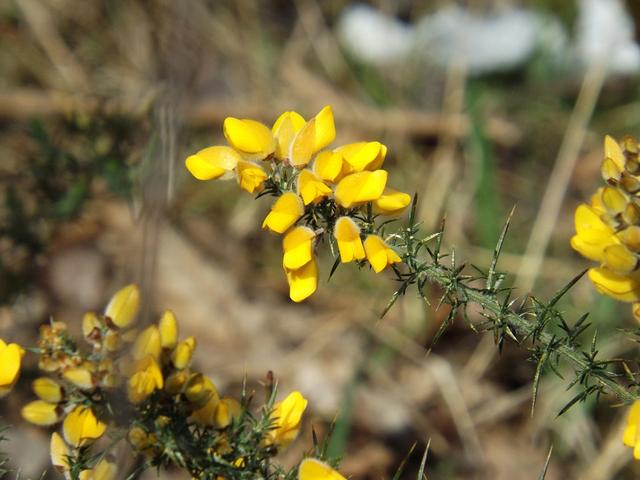
Q6.The gorse plant has small leaves and sharp spines. How do these features help the gorse plant to survive in their dry sandy habitats?
Assessment exit quiz
6 Questions
Q1.What do we call organisms that you can only see with a microscope?
Q2.What is an extremophile?
Q3.Match the examples of adaptations with the type of adaptation that they represent.
Q4.What is the name given to the process of organisms seeking the same limited resource (e.g. food) within a habitat?
Q5.In which of the following places might you be more likely to find an extremophile?
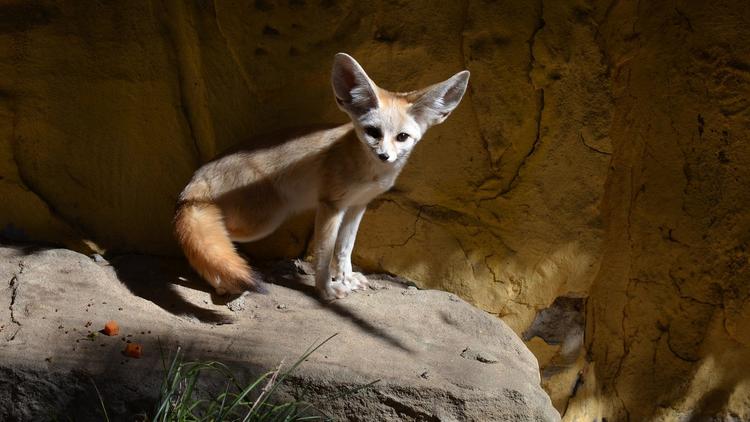
Q6.Look at the picture of the fennec fox. It has a structural adaptation of having big ears. The fennec fox lives in the desert. How might this adaptation help the fennec fox to survive in its habitat?