


New
New
Create a low relief ceramic tile: decorate and evaluate
I can decorate and evaluate my low relief tile


Lesson 6 of 6
New
New
- Year 4
Create a low relief ceramic tile: decorate and evaluate
I can decorate and evaluate my low relief tile
Lesson details
Key learning points
- Artists can add layers of material to their clay tile, including paint and varnish.
- Varnishing clay can help it to be more durable and better protected against scratches and dirt.
- Artists participate in group critiques to share feedback and ideas, helping improve and learn from each other's work.
Keywords
Layer - placing one thing on top of another, such as layers of paint
Varnish - a clear coating that you put on artwork or objects to protect them
Group critique - when a group of people share their thoughts and ideas about each other’s artwork to help improve and learn from it
Common misconception
Artists have group critiques to just suggest ways to make an artwork better.
Group critiques can be useful for an artist to get new ideas or suggestions, but are also useful for other artists to hear the reasons behind the artist's choices.
For Task A, pupils may need to leave a few minutes for their paint to dry between layers. Additionally, PVA glue can be used as a varnish to create a more durable finish.

Teacher tip

Equipment
Dry clay tiles, acrylic paint, pva glue, paintbrushes, water pots

Licence
This content is © Oak National Academy Limited (2025), licensed on Open Government Licence version 3.0 except where otherwise stated. See Oak's terms & conditions (Collection 2).
Lesson video
Loading...
Prior knowledge starter quiz
6 Questions
Q1.Put these steps in order for using tracing paper.
Put these steps in order for using tracing paper.
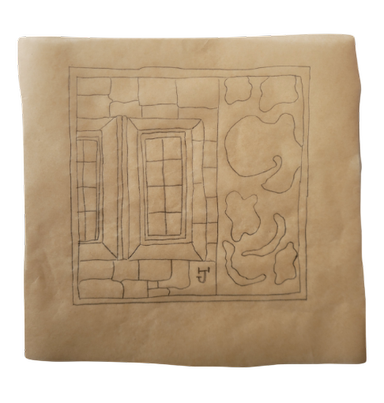
Q2.What tool would you most likely use to "carve" a design into your clay tile?
What tool would you most likely use to "carve" a design into your clay tile?
A paintbrush
A rolling pin
A sponge
Q3.Put the steps in the correct order for creating a low relief ceramic tile.
Put the steps in the correct order for creating a low relief ceramic tile.
Q4.Select the picture that represents low relief sculpture.
Select the picture that represents low relief sculpture.
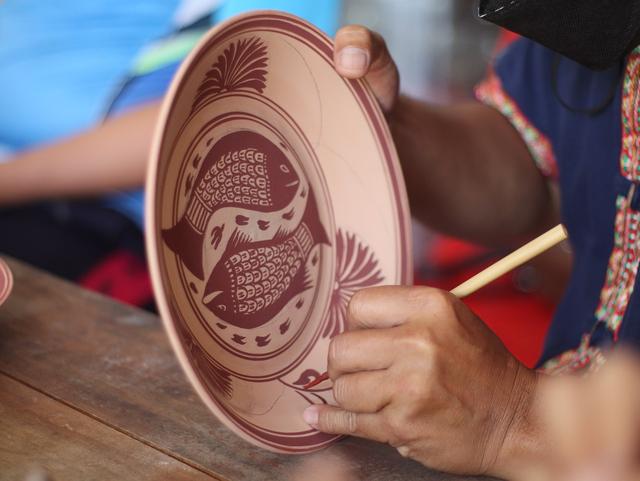
A
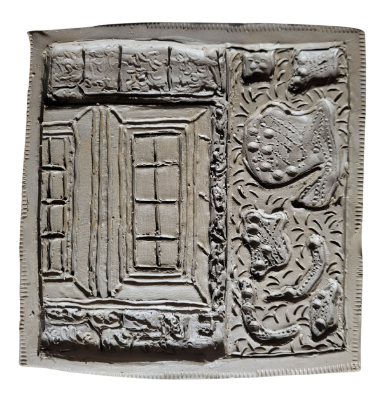
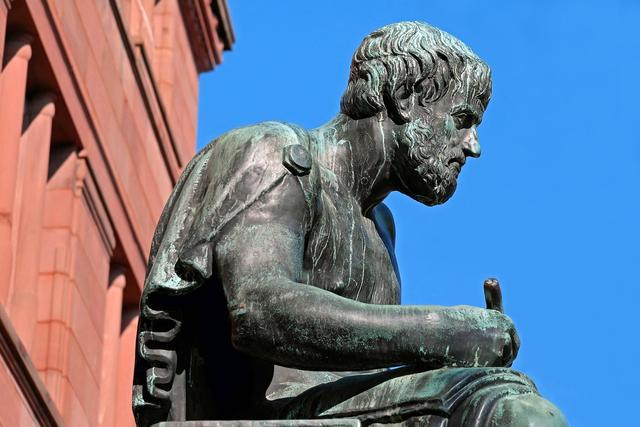
C
Q5.True or false? When transferring your design to clay you should press down very hard on the tracing paper to transfer the lines to the clay.
True or false? When transferring your design to clay you should press down very hard on the tracing paper to transfer the lines to the clay.
true
Q6.Match the term to its correct definition.
Match the term to its correct definition.

Assessment exit quiz
6 Questions
Q1.True or false? Clay cannot be worked with unless it is very wet.
True or false? Clay cannot be worked with unless it is very wet.
true
Q2.Varnish is a coating that you put on artwork or objects to protect them.
Varnish is a coating that you put on artwork or objects to protect them.
Q3.What does the word "layer" mean when decorating your ceramic tile?
What does the word "layer" mean when decorating your ceramic tile?
To mix different colours together
To add a single coat of paint or glaze
To smooth out the surface of the tile
Q4.Why can a textured surface be challenging to paint?
Why can a textured surface be challenging to paint?
the paint dries too quickly
the paint may drip off the surface easily
Q5.Which stage of pottery is best for carving your design into a clay tile?
Which stage of pottery is best for carving your design into a clay tile?
Soft wet clay
Dry clay
Q6.Match the term to its correct definition.
Match the term to its correct definition.
