


New
New
Describe school: 'hay', 'tiene', 'es', 'está'
I can use ‘hay’, ‘tener’, ‘es’ and ‘está’ to describe people and places, and have conversations in class.


Lesson 6 of 6
New
New
- Year 7
Describe school: 'hay', 'tiene', 'es', 'está'
I can use ‘hay’, ‘tener’, ‘es’ and ‘está’ to describe people and places, and have conversations in class.


Lesson details
Vocabulary and transcripts for this lessons
Key learning points
- 'Hay' means there is/are and is used in sentences that usually have 'en'.
- 'Tiene' means she/he/it has.
- The masculine plural is used also when the group includes girls/women.
Keywords
Hay - means 'there is' and 'there are'
Tiene - means she, he, it has
Es - means she, he, it is (trait)
Está - means she, he, it is (state)
Common misconception
Once a word is learnt, it stays in the memory forever.
Words need revisiting from time to time in order to not disappear from the memory.
Revisiting words to keep them in 'mi vocabulario' also requires practise at home. Students can do this by naming things at home or while outside in Spanish or through an app.

Teacher tip

Equipment

Licence
This content is © Oak National Academy Limited (2026), licensed on Open Government Licence version 3.0 except where otherwise stated. See Oak's terms & conditions (Collection 2).
Lesson video
Loading...
Some of our videos, including non-English language videos, do not have captions.
Prior knowledge starter quiz
6 Questions
Q1.¿Qué cosa es un producto?
¿Qué cosa es un producto?
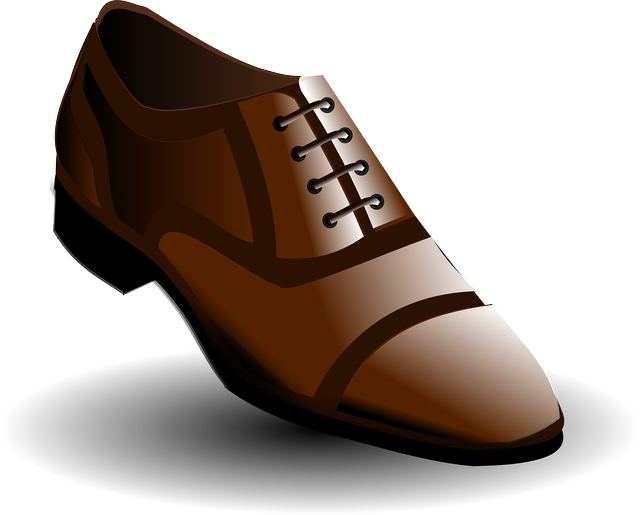
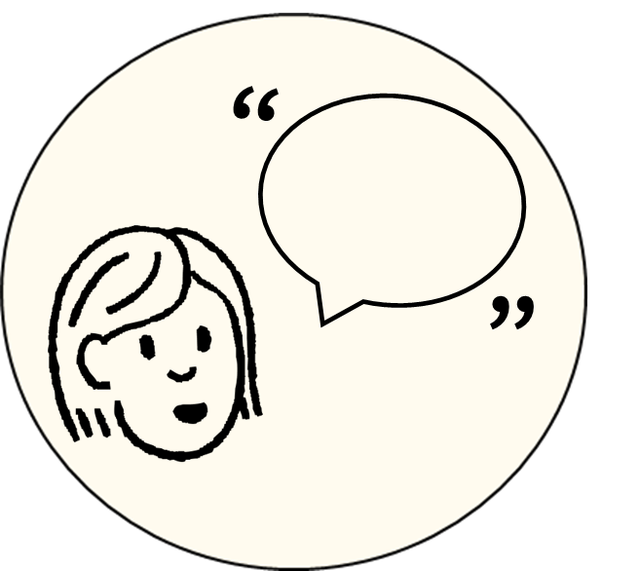
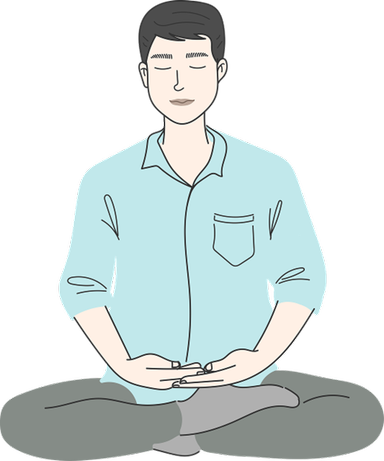
Q2.¿Cómo se dice 'muy' en inglés?
¿Cómo se dice 'muy' en inglés?
good
well
yes
Q3.How do you say 'I'm not very sure.'?
How do you say 'I'm not very sure.'?
No, estoy muy segura/o.
Estoy muy no segura/o.
Q4.No está aquí en la esceula, está ... en la casa.
No está aquí en la esceula, está ... en la casa.
Q5.¿Qué no hay?
¿Qué no hay?
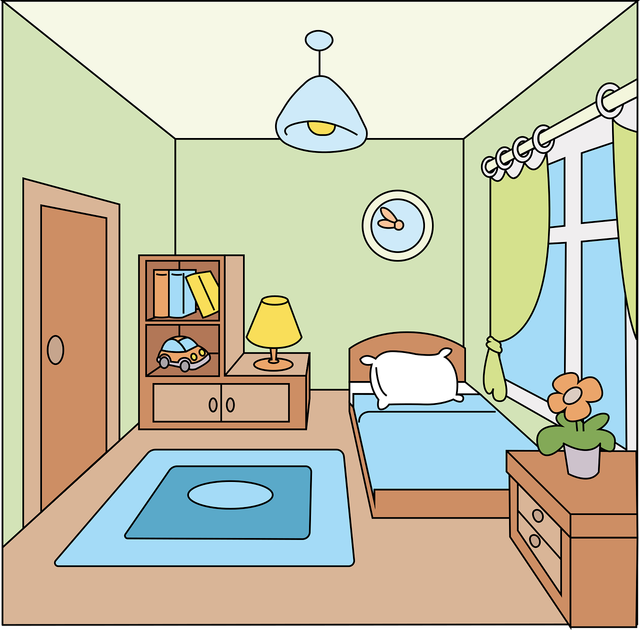
una ventana
una puerta
Q6.Order these items alphabetically in Spanish: 1 there, 2 man, 3 later, 4 thank you
Order these items alphabetically in Spanish: 1 there, 2 man, 3 later, 4 thank you
Assessment exit quiz
6 Questions
Q1.'Mira' means...
'Mira' means...
to look at
to look
Q2.Match these polite expressions.
Match these polite expressions.

Q3.To say 'authors' when referring only to women, it is...
To say 'authors' when referring only to women, it is...
Q4.¿Qué no necesitas en la escuela?
¿Qué no necesitas en la escuela?
unos zapatos
una camisa
Q5.¿Qué hace una voluntaria?
¿Qué hace una voluntaria?
camina mucho
llega tarde
Q6.What is missing? Mira la imagen, escucha música, ... este texto.
What is missing? Mira la imagen, escucha música, ... este texto.
