


Diffusion and surface area to volume ratio
I can calculate the surface area, volume and surface area to volume ratio of different sized cubes and observe how long it takes for a liquid to diffuse into them.


- Year 10
- AQA
Diffusion and surface area to volume ratio
I can calculate the surface area, volume and surface area to volume ratio of different sized cubes and observe how long it takes for a liquid to diffuse into them.
Lesson details
Key learning points
- The concepts of surface area, volume, and surface area to volume ratio.
- Calculation of the surface areas, volumes and surface area to volume ratios of cubes of different sizes.
- Use of coloured agar cubes of different sizes to observe time taken for acid to diffuse to the centre of each cube.
- Interpretation of results and explanation using ideas about surface area to volume ratio and diffusion.
Keywords
Surface area - The total area of the surface of an object.
Volume - The total space of an object.
Surface area to volume ratio - The relationship between the surface area and the volume of a shape.
Diffusion - Diffusion is the net movement of particles from an area of higher concentration to an area of lower concentration.
Common misconception
Mistakes with the calculations of surface area or volume are common. The concepts of surface area, volume and their ratio, with the effect that changing these have on diffusion, are difficult.
Plenty of practise on how to calculate surface area and volume, and compare these as a ratio, some simplified, is included. The experiment results are used to show the impact of changing surface area, volume and width on diffusion.


Equipment
Beakers; cubes of agar containing phenolphthalein indicator and 0.5M sodium carbonate; 0.1M hydrochloric acid; timer

Content guidance
- Risk assessment required - equipment

Supervision
Adult supervision required

Licence
Lesson video
Loading...
Prior knowledge starter quiz
6 Questions
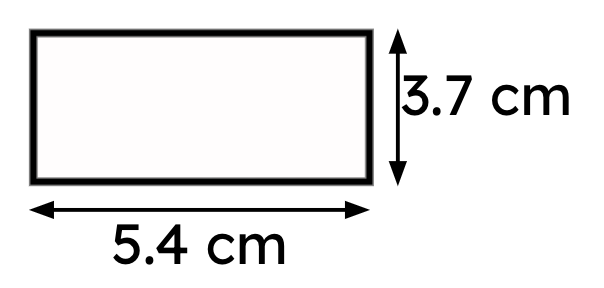
Q1.The area of this object is cm².

Q2.True or false? Diffusion is a passive process.
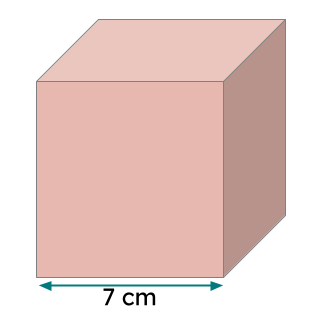
Q3.What is the volume of this cube?
Q4.How many mm are in 4 m?
Q5.What is the correct description of diffusion?
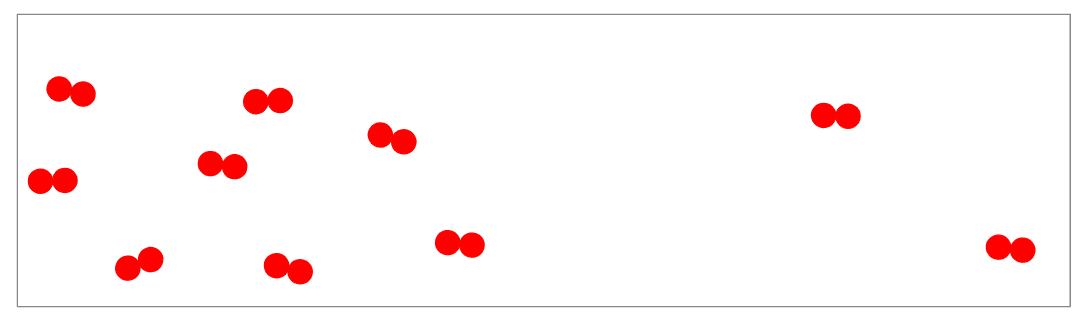
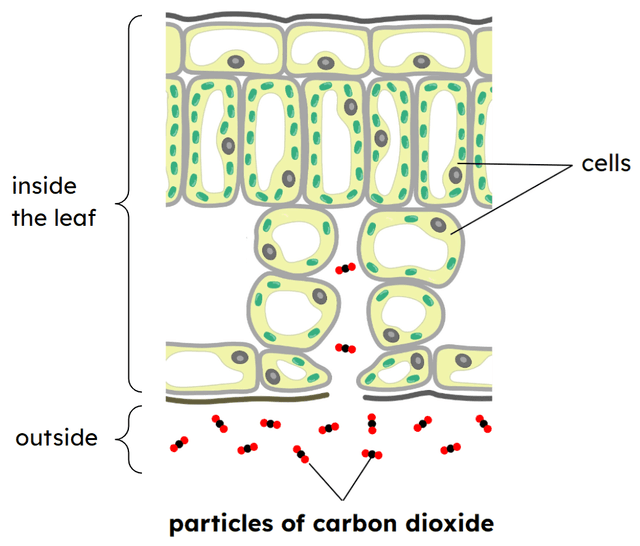
Q6.What will happen to the particles of carbon dioxide?
Assessment exit quiz
6 Questions
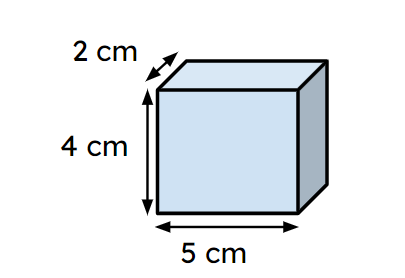
Q1.The volume of this shape is cm³.
Q2.A 4 cm wide cube takes 60 minutes to fully discolour. If we cut the cube into 4 new cubes each 2 cm wide, how long would each cube take to discolour?
Q3.What is the SA : V of this cube?
