


Discontinuous variation: data handling and analysis
I can plot data on discontinuous variation on a bar chart and suggest possible causes for the variation.


- Year 8
Discontinuous variation: data handling and analysis
I can plot data on discontinuous variation on a bar chart and suggest possible causes for the variation.
Lesson details
Key learning points
- Using a bar chart to display discontinuous data.
- Plotting data for discontinuous variation on a bar chart.
- Interpreting and describing a bar chart displaying data for discontinuous variation.
- Discontinuous variation usually has only a genetic cause and is not affected by environment or lifestyle.
Keywords
Discontinuous variation - Variation which is categorical (divided into particular categories).
Bar chart - A graph displaying categorical data plotted as columns of equal width that do not touch. The height of each column represents the tally or frequency for the category (how many times it was observed).
Genetics - Related to the genetic material (DNA) and genes that an individual has.
Common misconception
Using a line graph or histogram to plot discontinuous data. All features show variation due to environmental and lifestyle factors.
The lesson explores why a bar chart is the correct choice for plotting discontinuous data, and the idea that discontinuous variation usually has only a genetic cause.


Equipment

Licence
Lesson video
Loading...
Prior knowledge starter quiz
6 Questions
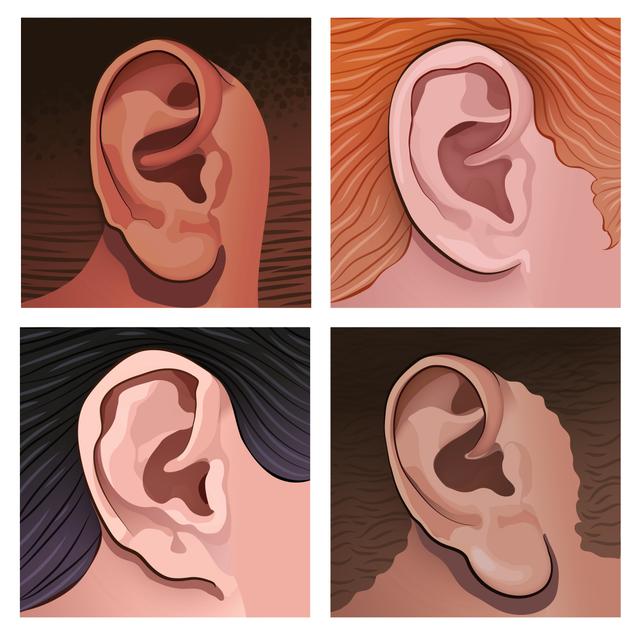
Q1.In the image, which earlobes are attached?

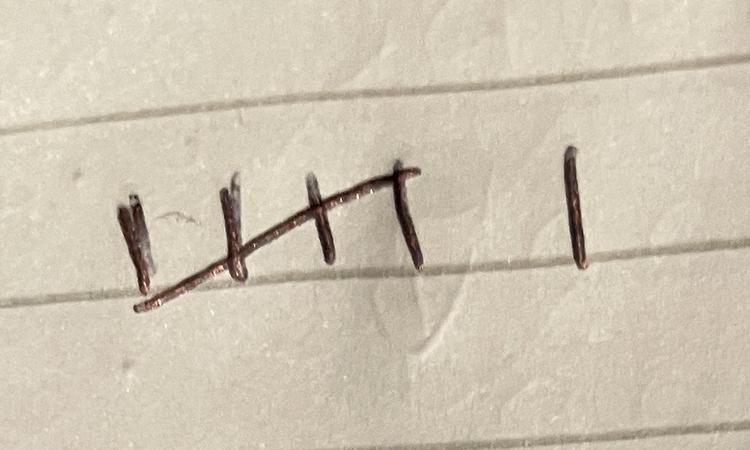
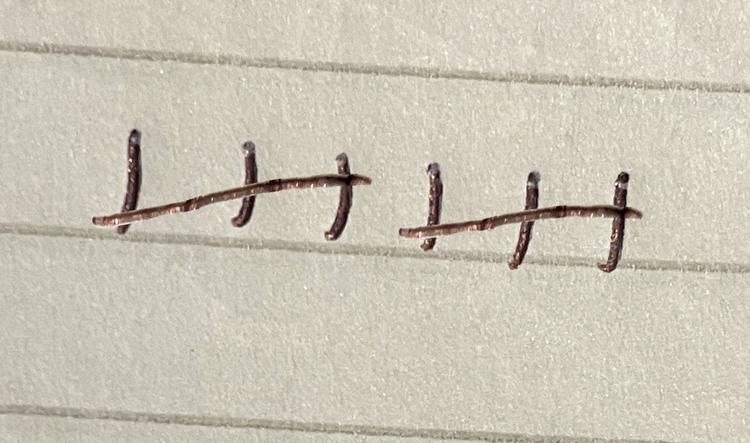
Q2.Which tally is correct for six items?
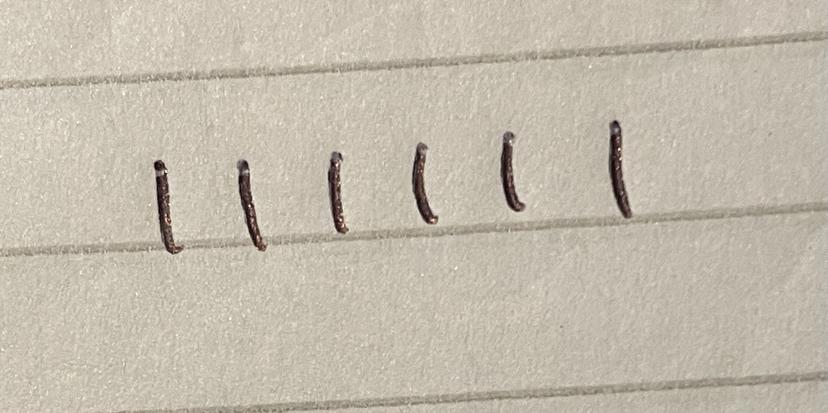
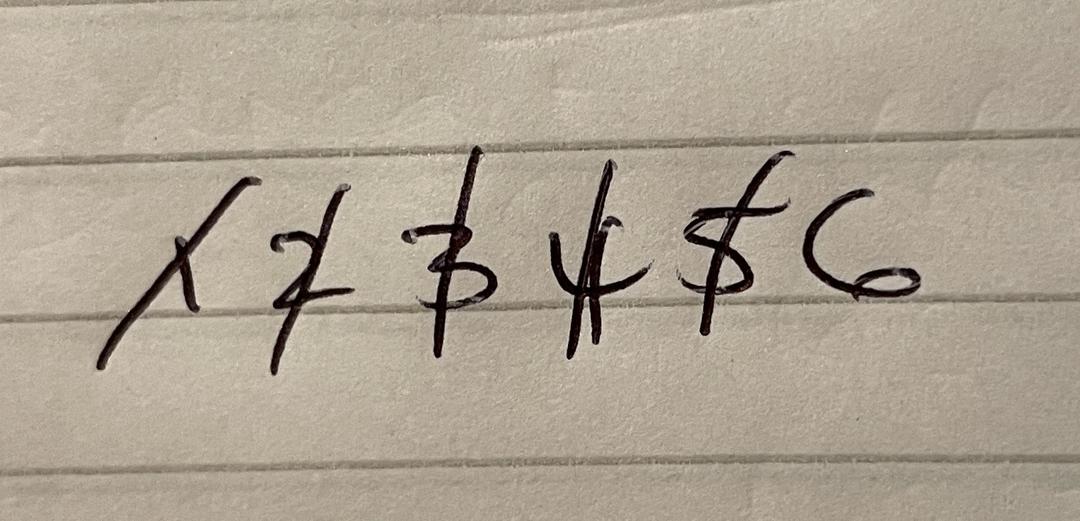
Q3.Which type of graph is this?
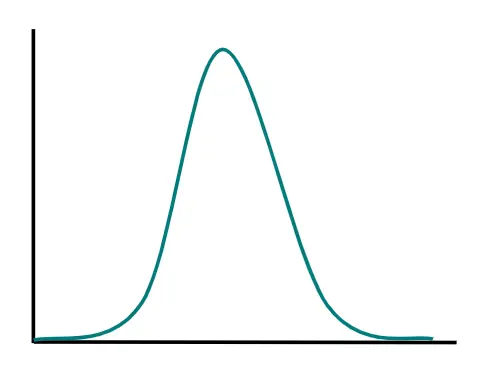
Q4.On which axis of a graph should you plot the independent variable?
Q5.On which axis of a graph should you plot the dependent variable?
Q6.Why is it often valuable to plot data as a graph?
Assessment exit quiz
6 Questions
Q1.Blood type and earlobe attachment are examples of variation.
Q2.Which type of graph is this?
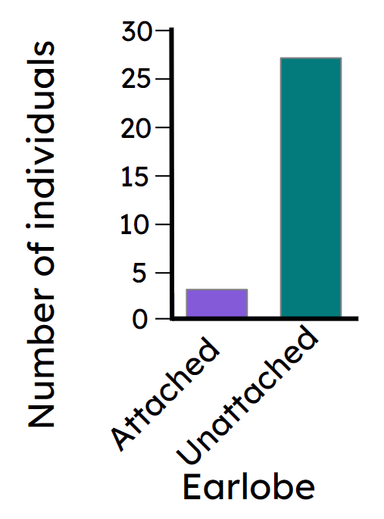
Q3.How should a bar chart be plotted?
Q4.Which of these factors causes discontinuous variation between organisms?
Q5.Which statements about the bar chart are true?
