DNA, chromosomes, genes and the genome
I can explain the difference between DNA, chromosomes, genes and the genome.

DNA, chromosomes, genes and the genome
I can explain the difference between DNA, chromosomes, genes and the genome.
Lesson details
Key learning points
- All organisms have a genome, and there are similarities and differences between the genomes of different organisms.
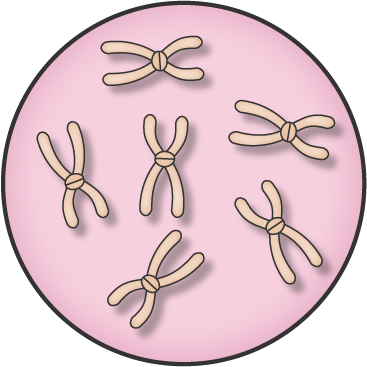
- The genome is made of DNA, wound up into tightly-packed structures called chromosomes.
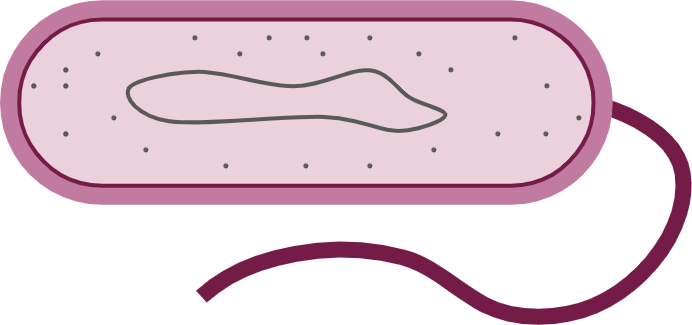
- Human body cells have 23 pairs of chromosomes, stored in the nucleus; bacteria have one that is stored in the cytoplasm.
- Sections of the DNA in chromosomes are called genes, which store instructions for inherited features and life processes.
- Other sections are non-coding DNA, which contains instructions that controls when the information in genes is used.
Keywords
Genome - The genome is all of the genetic material of a cell; it stores the code for all the features and processes of a living organism.
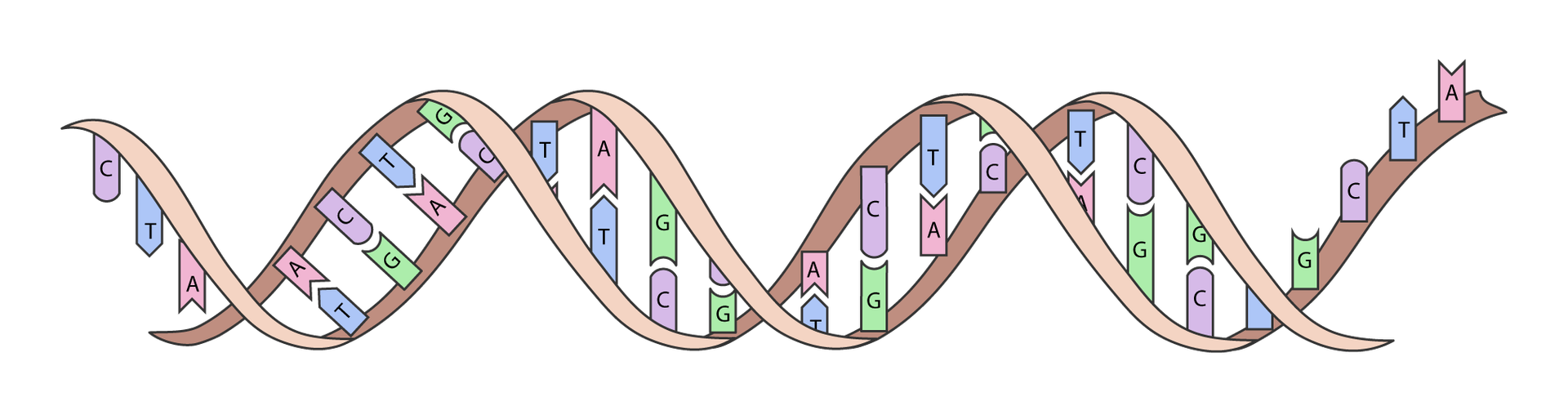
DNA - DNA is the chemical substance that genetic material is made out of; it stores the genetic code.
Nucleus - The nucleus is where DNA, wound up into chromosomes, is stored in animal, plant and fungi cells.
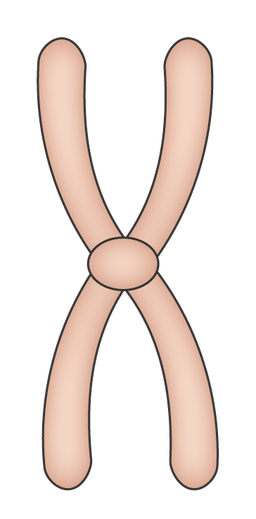
Chromosome - A chromosome is a package of tightly wound DNA.
Gene - Genes are sections of DNA that code for features and processes.
Common misconception
'Genes' and 'DNA' are exactly the same thing.
The lesson explores the idea that genes are sections of your DNA, and all the DNA together is the genome.


Licence
Lesson video
Loading...
Prior knowledge starter quiz
6 Questions
Q1.What is DNA?

Q2.In which animal cell structure is DNA stored?
Q3.True or false? Bacteria have DNA.
Q4.DNA is passed onto offspring in reproduction. What does it carry?
Q5.What is all of the genetic material in a cell called?
Q6.DNA structure was observed using radiation by Rosalind Franklin.
Assessment exit quiz
6 Questions
Q1.All living __________ have a unique genome.
Q2.Which of the following structures is a single chromosome?