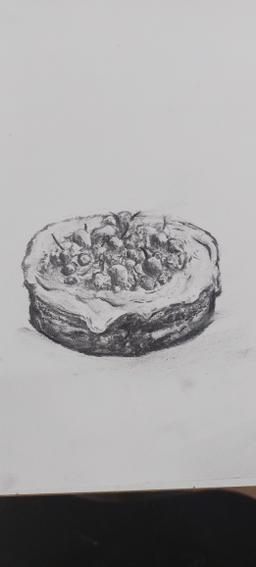
Drawing: observe and draw cakes using charcoal
I can observe and draw cakes using charcoal to create tone, texture, and depth.


- Year 5
Drawing: observe and draw cakes using charcoal
I can observe and draw cakes using charcoal to create tone, texture, and depth.
Lesson details
Key learning points
- Observing carefully before drawing improves accuracy and proportion.
- Charcoal can create deep contrasts and textures using pressure, blending, and erasing.
- Shading techniques (hatching, cross-hatching, blending) helps bring drawings to life.
- Light and shadow add depth to make cakes look realistic.
Keywords
Observation - looking closely at an object to notice its details, shape, and texture before drawing
Texture - how a surface appears or feels; in art, it's represented using different marks and shading
Charcoal - a black, powdery drawing material that allows for rich shading and contrast
Tone - the lightness or darkness of an area in a drawing, used to create depth
Blending - smoothing charcoal marks to create soft transitions between light and dark areas.
Common misconception
Charcoal is too messy to control, and mistakes can’t be fixed.
Charcoal is a flexible material. Smudging can be used to soften mistakes or use a rubber to refine shapes and add highlights.


Equipment
Charcoal sticks and pencils, rubbers, blending tools (tissues/cotton buds/smudge sticks), sketchbooks or drawing paper. Images of cakes or real cakes for observation.

Licence
Lesson video
Loading...
Prior knowledge starter quiz
6 Questions
Q1.Which of the following is not a texture?
Q2.Which of the following images shows an observational drawing?
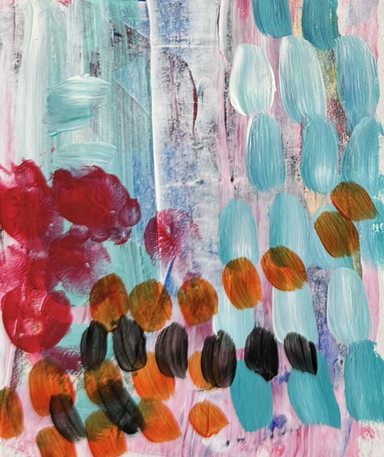
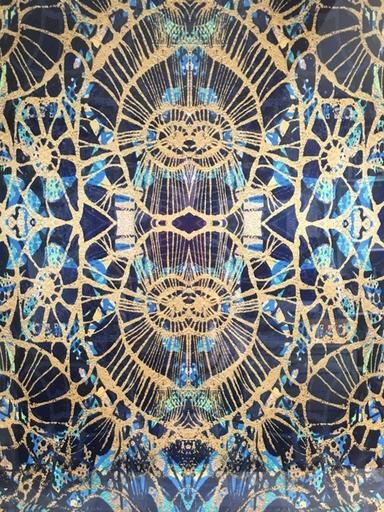
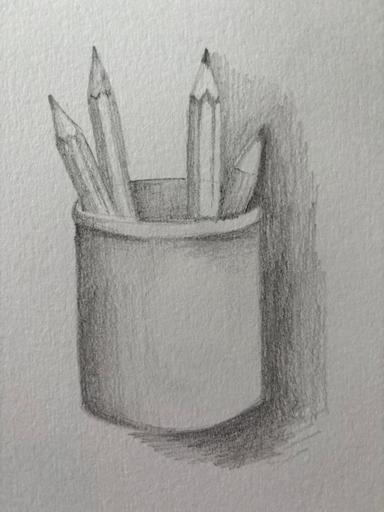
Q3.Tone means the lightness or of an area in an artwork, used to create depth.
Q4.Match the art material with the correct description.

Q5.Light and shadow add to make drawings look realistic.
Q6.Match the keywords to the definitions.
Assessment exit quiz
4 Questions
Q1.Light and add depth to make drawings of cakes look realistic.
Q2.Complete the statement: The process of drawing helps to develop careful looking and accurate drawing skills.
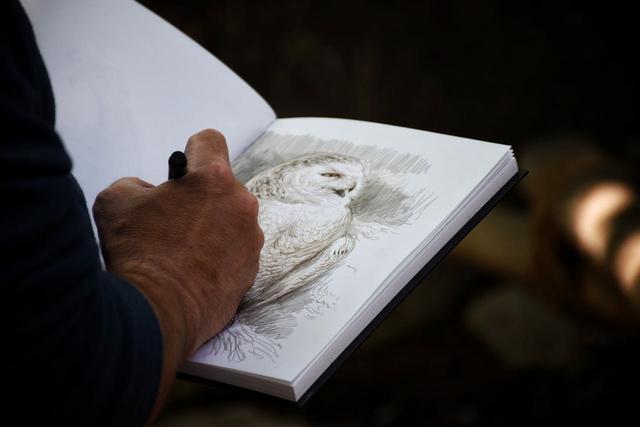
Q3.What is the main purpose of observational drawing?
Q4.Order the steps to draw a cake from observation.