Ecosystems and habitats
I can describe what makes an ecosystem, can identify features of habitats and explain how organisms are adapted to live in their habitat.


- Year 7
Ecosystems and habitats
I can describe what makes an ecosystem, can identify features of habitats and explain how organisms are adapted to live in their habitat.
Lesson details
Key learning points
- Ecosystems are made up of living organisms, which interact and depend on each other, and their physical environment.
- Habitats are where plants and animals live, and they contain living (biotic) and non-living (abiotic) parts.
- Organisms interact with the environment in which they live.
- All species have adaptations which make them suited to their environment.
- Changes to the environment may make it harder for organisms to survive in a particular habitat.
Keywords
Biotic - Biotic factors are the living components of an ecosystem.
Abiotic - Abiotic factors are the non-living components of an ecosystem.
Adaptation - An adaptation is a feature that organisms have to help them live in a particular place.
Ecosystem - An ecosystem is made up of all the living organisms in a place, interacting with each other and their non-living surroundings.
Habitat - A habitat is the place where an organism lives. It must provide food, shelter and a place to reproduce.
Common misconception
Pupils use everyday meaning rather than ecological meaning of the terms population and community.
There is repetition of use of these ecological terms within this unit building on prior learning.


Equipment

Licence
Lesson video
Loading...
Prior knowledge starter quiz
6 Questions
Q1.Which organism is the producer?
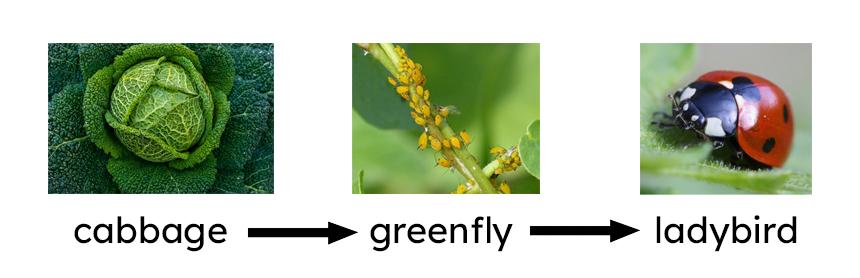
Q2.Match the word to its definition:

Q3.Match the season to its description:
Q4.Match the environmental change to the effect on the organism.
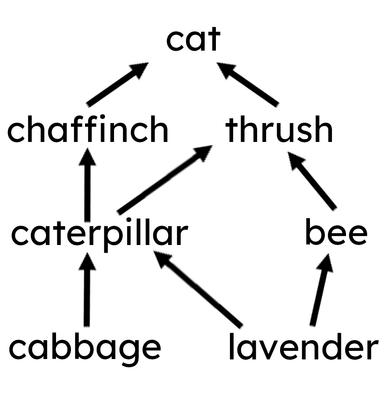
Q5.Which of the following will happen if the number of caterpillars goes down?
Q6.Which of the following can cause abrupt and long-lasting changes in the environment?
Assessment exit quiz
6 Questions
Q1.Match the keywords with the correct definitions.
Q2.Which of the following are abiotic factors?
Q3.What do all living organisms need from their habitat?
Q4.What might be the consequences for a polar bear if this habitat changed and became warmer?
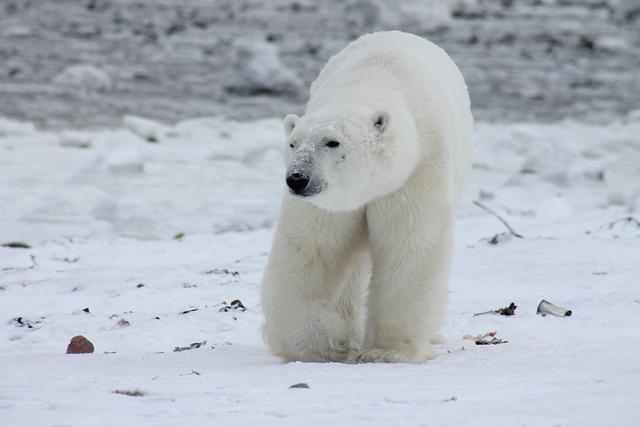
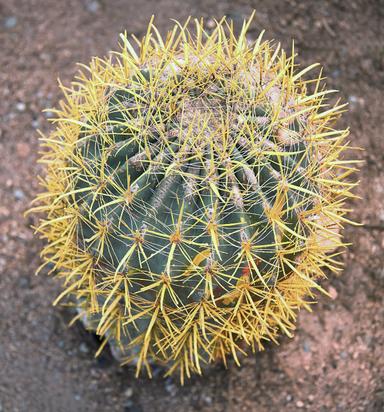
Q5.How is this organism adapted to its environment?
Q6.Which biotic factors does this animal interact with?